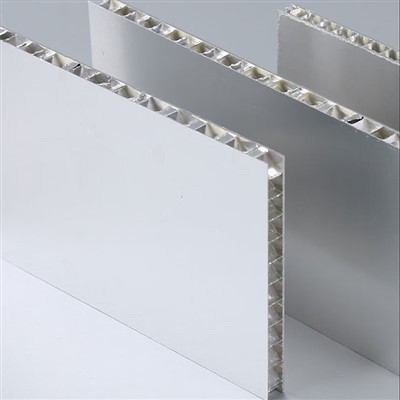
Sandwich panels are widely used in various industries due to their excellent insulation, lightweight, and structural properties. However, they are susceptible to corrosion, which can significantly reduce their lifespan and performance. As a sandwich panel supplier, it is crucial to understand the anti-corrosion treatments available to ensure the durability and quality of our products. In this blog, I will discuss the different anti-corrosion treatments for sandwich panels and how they can benefit our customers. Sandwich Panel
Understanding Corrosion in Sandwich Panels
Before delving into the anti-corrosion treatments, it is essential to understand the corrosion mechanisms in sandwich panels. Corrosion is a chemical reaction that occurs when a metal is exposed to an electrolyte, such as moisture or chemicals. In sandwich panels, the most common metals used are steel and aluminum. Steel is more prone to corrosion than aluminum due to its higher reactivity.
The corrosion process in sandwich panels can be accelerated by several factors, including:
- Moisture: Moisture is the primary cause of corrosion in sandwich panels. When moisture comes into contact with the metal surface, it forms an electrolyte that facilitates the corrosion reaction.
- Chemicals: Exposure to chemicals, such as acids, alkalis, and salts, can also accelerate the corrosion process. These chemicals can react with the metal surface and form corrosive compounds.
- Temperature: High temperatures can increase the rate of corrosion by accelerating the chemical reactions. In addition, temperature fluctuations can cause thermal stress, which can lead to cracking and peeling of the protective coatings.
- Mechanical damage: Scratches, dents, and other mechanical damage can expose the metal surface to the environment, increasing the risk of corrosion.
Anti-Corrosion Treatments for Sandwich Panels
To protect sandwich panels from corrosion, several anti-corrosion treatments are available. These treatments can be classified into two main categories: surface treatments and coating systems.
Surface Treatments
Surface treatments are applied to the metal surface before the application of the coating system. These treatments improve the adhesion of the coating and provide additional protection against corrosion. The most common surface treatments for sandwich panels include:
- Galvanizing: Galvanizing is a process of coating the steel surface with a layer of zinc. Zinc is a sacrificial metal that corrodes preferentially to steel, protecting the underlying metal from corrosion. Galvanizing can be done by hot-dip galvanizing or electro-galvanizing. Hot-dip galvanizing is the most common method, which involves immersing the steel in a bath of molten zinc. Electro-galvanizing, on the other hand, involves depositing a layer of zinc on the steel surface using an electric current.
- Aluminizing: Aluminizing is a process of coating the steel surface with a layer of aluminum. Aluminum forms a protective oxide layer on the surface, which provides excellent resistance to corrosion. Aluminizing can be done by hot-dipping or thermal spraying.
- Phosphating: Phosphating is a process of treating the metal surface with a phosphate solution. The phosphate coating provides a good base for the application of the coating system and improves the adhesion of the coating. Phosphating can be done by immersion or spraying.
Coating Systems
Coating systems are applied to the surface-treated metal to provide an additional layer of protection against corrosion. The most common coating systems for sandwich panels include:
- Polyester Coating: Polyester coating is a popular choice for sandwich panels due to its excellent weather resistance, color retention, and durability. Polyester coatings are available in a variety of colors and finishes, making them suitable for a wide range of applications.
- Plastisol Coating: Plastisol coating is a thick, flexible coating that provides excellent protection against abrasion, impact, and corrosion. Plastisol coatings are commonly used in industrial applications where the panels are exposed to harsh environments.
- PVDF Coating: PVDF (polyvinylidene fluoride) coating is a high-performance coating that provides excellent resistance to UV radiation, chemicals, and weathering. PVDF coatings are commonly used in architectural applications where the panels are exposed to the elements.
Benefits of Anti-Corrosion Treatments
The use of anti-corrosion treatments in sandwich panels offers several benefits, including:
- Increased Lifespan: Anti-corrosion treatments protect the metal surface from corrosion, extending the lifespan of the sandwich panels. This reduces the need for frequent replacement, saving our customers time and money.
- Improved Performance: Corrosion can weaken the structural integrity of the sandwich panels, reducing their performance. Anti-corrosion treatments help to maintain the strength and stiffness of the panels, ensuring their optimal performance.
- Enhanced Aesthetics: Corrosion can cause the sandwich panels to develop rust and other discolorations, affecting their appearance. Anti-corrosion treatments help to maintain the original color and finish of the panels, enhancing their aesthetic appeal.
- Cost Savings: The cost of anti-corrosion treatments is relatively low compared to the cost of replacing corroded sandwich panels. By investing in anti-corrosion treatments, our customers can save money in the long run.
Choosing the Right Anti-Corrosion Treatment
When choosing the right anti-corrosion treatment for sandwich panels, several factors need to be considered, including:
- Environment: The environment in which the sandwich panels will be used is a crucial factor in choosing the right anti-corrosion treatment. For example, panels used in coastal areas may require a more corrosion-resistant coating than panels used in inland areas.
- Application: The application of the sandwich panels also affects the choice of anti-corrosion treatment. For example, panels used in industrial applications may require a more durable coating than panels used in architectural applications.
- Budget: The cost of the anti-corrosion treatment is also an important factor to consider. Our team of experts can help our customers choose the most cost-effective anti-corrosion treatment that meets their requirements.
Conclusion

As a sandwich panel supplier, we understand the importance of providing high-quality, corrosion-resistant products to our customers. By offering a range of anti-corrosion treatments, we can ensure the durability and performance of our sandwich panels in various environments. Whether you are looking for a cost-effective solution or a high-performance coating, our team of experts can help you choose the right anti-corrosion treatment for your needs.
Aluminum Furniture If you are interested in learning more about our sandwich panels and anti-corrosion treatments, please contact us today to start a procurement discussion. Our team will be happy to answer any questions you may have and provide you with a customized solution that meets your requirements.
References
- ASTM International. (2021). Standard Guide for Corrosion Prevention of Metals.
- NACE International. (2021). Corrosion Basics: An Introduction to Corrosion Control Methods.
- SSPC: The Society for Protective Coatings. (2021). Protective Coatings for Steel Structures.
Zhejiang Jusen Building Materials Technology Co., Ltd.
We’re well-known as one of the leading sandwich panel manufacturers and suppliers in China, also support custom service. Please feel free to wholesale high quality sandwich panel made in China here from our factory. For more information, contact us now.
Address: No.7, Tongyuan Shiquan Industrial Park, Haiyan County, Jiaxing City, Zhejiang Province
E-mail: sales@jusenzj.com
WebSite: https://www.honeycomb-js.com/
