Hey everyone, it’s Jake from the double side gluing machine team here—thanks for popping in. If you’re running a business that uses these machines for things like packaging, woodworking, or even electronics assembly, you’ve definitely run into that annoying problem: the glue takes way too long to cure (or sets way too fast, which is just as bad) and it’s messing up your production timeline, right? I get it—we get calls about this every single week, so I wanted to break down exactly what affects that glue curing time when you’re running a double side gluing machine. No super jargon-heavy stuff, just real-world stuff we see day to day. Double Side Gluing Machine
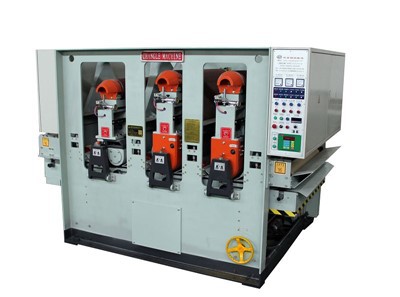
First off, let’s make sure we’re on the same page: double side gluing machines aren’t just gluing one side of a material—they hit both sides at the same time, which is why they’re perfect for laminating panels, assembling boxes, or even putting together small parts like phone cases. But because both sides are getting glue at once, there are a few extra factors that play a role here compared to single-side machines. Let’s dive into the biggest ones first.
Number one, and this is the big one: the type of glue you’re using. I can’t stress this enough—glue is not a one-size-fits-all product, and it’s probably the most impactful factor. We’ve had a customer swear their glue was fine, but then they switched from a water-based PVA glue to a hot melt glue and their curing time dropped from 24 hours to 10 minutes. Water-based glues (like PVA, white glue) cure when the water evaporates, right? So if you’re using those, curing time is tied directly to how fast that water can escape. Hot melt glues, on the other hand, cure when they cool down, which is way faster—great for speed, bad if you need open time to adjust parts. Then there are epoxy glues, which cure via a chemical reaction between two parts, not evaporation or cooling. Epoxy can take anywhere from 30 minutes to 72 hours, depending on the ratio of resin to hardener, temperature, and even humidity.
Wait, and since we’re talking double side—if you’re putting glue on two sides, you’ve got twice as much solvent (if it’s water-based) to evaporate, right? That’s a huge thing most people miss. If you were doing single side, water-based glue would evaporate through one surface, but double side means the glue is sandwiched between two materials, so the water has to move through both layers. No wonder their curing time doubled when they switched to double side—we heard that exact story from a woodworking shop last month. They were laminating two ½-inch plywood panels, using water-based PVA, and expected the same 12-hour cure as they did on single side, but it took 24 hours because the water couldn’t escape as easily.
Next up: the machine’s own specs, specifically the gluing unit and the pressure rollers. Let’s start with the gluing part of the double side machine. How does it apply the glue? If it’s using a roller coater, is the roller pressure set correctly, and is the roller material right? If the roller is too hard, it’s not depositing an even, consistent layer of glue. If it’s too soft, it’s leaving too much glue. Either way, too little glue will cure faster, but too much glue will take way longer because there’s more material to dry or react. For double side, you have two gluing units (one for each side), so if one unit is applying way more glue than the other, you’re gonna have uneven curing. We once had a packaging customer complaining that some boxes were still tacky after 24 hours, and it turned out the top gluing roller was worn down, so it was applying 3x more glue there than the bottom. Once they replaced the roller, curing time evened out to 12 hours like it should.
Then there’s the pressure rollers after the gluing stations. Double side machines use pressure to make sure the two glued surfaces stick together evenly, right? If the pressure is too high, you squeeze out way too much glue, leaving a thinner layer overall? Wait no, actually, if pressure is too high, you might seal in the glue’s solvent or the epoxy’s reactive chemicals. For example, with water-based glue, if you clamp two panels super tight right after gluing, you trap the water vapor inside the glue line, so it can’t evaporate. That’s why so many people end up with bubbled panels or slow curing—they crank up the pressure to avoid gaps, but it backfires. We recommend adjusting pressure based on the material: thin materials like cardboard need less pressure, thick plywood needs a bit more, but never so much that the glue is squeezed out in big beads everywhere.
Oh, and the speed of the machine! That’s another big one. Double side gluing machines have a conveyor that moves the material through the gluing and pressing units, so the speed determines how long the glue is being pressed before it moves on. If you run the machine way too fast, the glue hasn’t had time to spread evenly or start the curing process before you apply pressure. Wait, no—wait, if you run it too slow, does that make curing faster? Let’s think: for water-based glue, if you’re moving slow, the glue has more time to start drying before it hits the pressure rollers, so when you press it, less water is trapped. But if you’re running it too fast, the glue is still wet when you press, so more water gets trapped, leading to longer curing time. That’s exactly what happened to a client that was trying to hit 50 units an hour when their machine was rated for 30. They cut speed to 35, and their curing time dropped from 18 hours to 12 hours—no other changes. That was a game-changer for them.
Now, environmental conditions, which play a huge role no matter what machine you have, but especially with double side because you’re dealing with two sides’ worth of glue. Temperature is the big one here. For water-based glues, warmer air makes the water evaporate way faster. If you’re in a cold warehouse (like below 60°F/15°C), that water barely moves, so curing time can double. For hot melt glues, higher ambient temp means they take longer to cool down, so curing is slower. For epoxy, chemical reactions speed up with heat—so a 10°F difference can cut epoxy curing time in half. We once had a customer in Canada that had their machine in an unheated space in winter, and their glue was taking 48 hours to cure. Once they installed a small space heater near the machine, curing time went down to 16 hours. They were confused because it worked fine in summer, and temperature was the only variable.
Humidity goes hand in hand with temperature, especially for water-based glues. High humidity means the air is already full of moisture, so the water in the glue can’t evaporate as easily. We’re talking 70% humidity vs 30% humidity—same warehouse, same glue, same machine, curing time goes from 12 hours to 20 hours. If you’re in a super humid area, a small dehumidifier near your double side machine will make a massive difference. For hot melts, high humidity doesn’t affect them much, but epoxy can have issues too—some epoxy formulas react slower in high humidity, so you might need to adjust the hardener ratio a little if you’re in a sticky climate.
Wait, what about the materials you’re gluing? That’s often overlooked. Double side gluing machines work with all kinds of materials: cardboard, wood, plastic, metal, even foam. The porosity of the material makes a huge difference. If you’re gluing two porous materials like plywood or corrugated cardboard, the glue can soak into the material a little, which actually helps with bonding. But if you’re gluing non-porous materials like plastic or metal, the glue has to form a chemical or mechanical bond on the surface, no absorption. For porous materials, if they’re super dry, they’ll suck the water out of water-based glue too fast, which can lead to a weaker bond and longer curing time because the glue layer isn’t forming properly. If the materials are too damp, that adds more moisture to the glue line, so curing takes longer. We had a customer gluing plastic signs with double side machine, and their curing time was 24 hours, but once they sanded the plastic lightly to rough up the surface, curing dropped to 8 hours. That was a quick fix for them.
Also, glue application quality, specifically for double side machines, is unique. Since you’re applying two layers, if the alignment is off, you might have one side with glue overlapping or not covering the entire surface, which leads to uneven curing. For example, if you’re gluing two panels, and the top side has glue that’s ½ inch off to the left, when you press them together, the gap there will have more glue or trapped air, so that spot takes longer to cure. Modern double side machines have alignment sensors, but if yours is older, you might have to manually adjust the positioning of the material as it feeds in. We get a lot of requests for machine retrofits for that exact reason—older machines that don’t have proper alignment end up with bad glue application, leading to long curing times and rework.
Wait, let’s not forget about open time vs. set time vs. cure time—people mix these up all the time, and that makes troubleshooting way harder. Open time is how long the glue stays workable after you apply it, set time is when it’s hard enough to handle without sticking, and cure time is when it’s fully strong and at its maximum bond strength. A lot of customers will call us saying “my glue is taking forever to cure” when they actually mean it’s taking forever to set. But for double side machines, since you’re hitting two sides, set time might be a bit longer too, because both layers have to set at the same rate. That’s why testing small batches is always a good idea—don’t run a whole production run with new glue, new machine settings, or new materials; test 5 units first, check the set time, then adjust from there.
Let me throw in a quick example to make this real. Last quarter, we had a customer that makes custom cabinets, using our double side machine to laminate solid wood panels. They were using water-based PVA glue, and their curing time was 24 hours, which was making their lead times too long for their clients. We walked through all the factors, and here’s what we found: they were running the machine 20% faster than the recommended speed, their warehouse was at 55°F in winter (too cold), and they were applying twice as much glue as needed because their top gluing roller was worn. They adjusted the machine speed, added a small heater near the unit, and replaced the roller. Now their curing time is 12 hours, they can get more panels done in a day, and their rework rate dropped by 30%. That’s the kind of quick win we love to help customers get.
Another thing: if you’re using a double side gluing machine with a drying or curing zone (some of the newer ones have built-in UV lamps for UV-cure glue), that changes everything. UV-cure glue is super popular now because it cures in seconds when exposed to UV light. For these machines, the curing time depends on the intensity of the UV lamps, the speed of the conveyor, and how thick the glue layer is. If the UV lamps are old or dirty, their intensity drops, so curing takes longer. If the conveyor is too fast, the material moves past the lamps before the glue is fully cured. We actually had a customer that used cheap replacement UV lamps, and their curing time went from 10 seconds to 2 minutes—once they swapped to the correct OEM lamps, it was back to normal. That’s another common issue we see with newer machines that have built-in curing systems.
Wait, what about glue storage? That’s a thing most people don’t think about. If you’re storing your glue in a garage that’s too hot or too cold, or letting it sit open in a bucket for days, its properties change. For example, water-based PVA glue that’s stored in a cold place can thicken up, so when you apply it with the double side machine, you end up with a thicker layer that takes longer to cure. Epoxy that’s past its shelf life might not mix properly, leading to longer cure times or weak bonds. Hot melt glue that’s heated too many times in the machine’s glue tank can degrade, so its curing time gets slower. We always tell customers to follow the glue manufacturer’s storage instructions, and to change out glue in the machine’s tank every 2-3 months if it’s not being used daily.
Okay, let’s wrap this up with some quick troubleshooting tips if you’re dealing with long curing times on your double side machine. First, test one variable at a time—don’t change glue and machine speed and temperature all at once, or you won’t know what fixed it. Second, check the glue layer thickness: if it’s too thick, adjust the gluing roller pressure. Third, check environmental conditions: use a hygrometer and thermometer near the machine, adjust temp/humidity as needed. Fourth, make sure the machine speed is within the manufacturer’s recommended range—running too fast or too slow can mess with curing. Fifth, inspect your rollers, alignment sensors, and curing lamps (if you have them) for wear or damage.
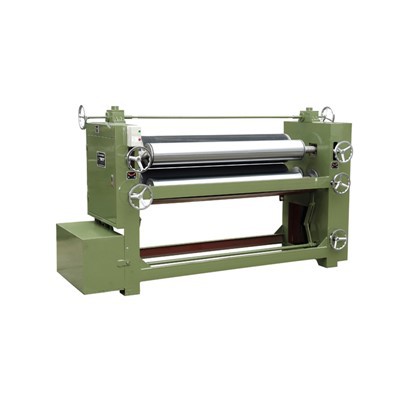
At the end of the day, double side gluing machines are super efficient, but curing time is a balance between all these factors—glue type, machine settings, environment, materials, even how you store your glue. If you’re messing with your production timeline because glue is taking too long to cure, we’re here to help. We don’t just sell machines—we work with you to figure out the exact settings and adjustments you need to get the curing time you want, no guesswork. If you’re ready to chat through your specific setup, your production goals, or if you’re thinking about upgrading or adding a double side gluing machine, reach out to us to get the details sorted. We’ll walk you through everything, no salesy pressure, just real advice from people who work with these machines every single day.
Single Side Gluing Machine References:
- Glue Application and Curing: Principles and Practices. Adhesive Age Publications, 2021.
- Operating Guidelines for Double Side Gluing Machinery. Industrial Woodworking Equipment Association, 2022.
- Environmental Factors Affecting Adhesive Cure Rates. Journal of Adhesion Science and Technology, Vol. 35, No. 12, 2021.
- UV-Cure Adhesives for Industrial Laminating Applications. Packaging Technology and Engineering, 2020.
Jiashan Changle Machinery Manufacturing Co., Ltd.
We’re well-known as one of the leading double side gluing machine manufacturers and suppliers in China, also support customized service. Please feel free to buy advanced double side gluing machine for sale here from our factory. Quality products and punctual delivery are available.
Address: Building 12, Zone A, Wanyang Innovation City, No. 23 Yucao South Road, Ganyao Town, Jiashan County, Jiaxing City, Zhejiang Province
E-mail: Changle84615620@163.com
WebSite: https://www.changlejx.com/
