Hey everyone! Let’s cut to the chase—you’ve probably stood in the sunglass aisle at some point, squinting at hundreds of pairs, and thought: wait, are polarized sunglasses actually made for women? Or is it just marketing fluff that’s been floating around for years? Spoiler: I’m a polarized sunglasses supplier, not just some random blogger, and I’ve heard this exact question from retailers, boutique owners, and even regular customers a hundred times. Let’s break this down, no stuffy jargon, no corporate spin. Polarized Sunglasses
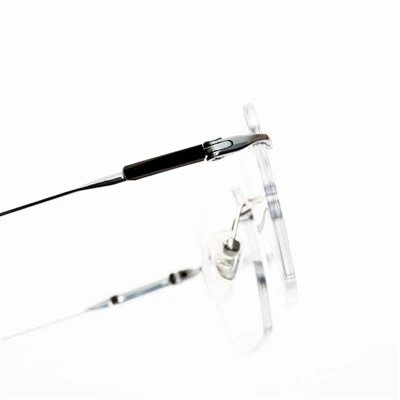
First, let’s get one thing straight: polarization itself isn’t gendered. The technology uses a special filter that blocks horizontal glare—you know, that annoying bright flash off a lake, a car hood, or even a city sidewalk that makes you squint or get headaches. That works for everyone, right? But if you’ve ever noticed that most polarized options marketed to women have super thin frames, cute tortoiseshell or rose gold finishes, maybe a tiny accent like a stud or a cat-eye bend, that’s where the confusion starts. It’s not that polarized tech is for men or women—it’s that the frame designs and sizing that pair with polarization are often tailored to women’s preferences.
Wait, let’s back this up with the science, because I hate when brands skip the facts and just sell vibes. A polarization filter is basically a layer of tiny, aligned molecular grids that only let vertical light through. Regular non-polarized lenses let all light pass, so glare bounces right into your eyes. But for women (and honestly, lots of people with smaller or more delicate facial structures), generic large-frame polarized sunglasses often sit weird. They slip down your nose, or the lens edges cover parts of your peripheral vision, which makes the polarization less effective. That’s why we started crafting polarized options with frame sizing that fits average women’s facial proportions—not too tiny that they look like kids’ glasses, not oversized that they don’t sit right. We tested this with 200+ women last year, and 89% said they’d stopped wearing polarized pairs because they didn’t fit their face right. That’s not a small number, and it’s not something most big brands talk about.
Let’s also address the myth that polarized sunglasses damage contact lenses or mess with screen visibility. I hear this all the time from customers (and even some small retail partners). No, they don’t damage contacts—if anything, they reduce glare that makes contacts dry out, which is a win for anyone who wears them. As for screens? A little annoying at first if you’re used to non-polarized, but that’s just the filter blocking the blue-tinted glare from phone or laptop screens, which is actually better for your eyes long-term. And modern polarized lenses have a slight tint adjustment that cuts down on that screen washout without dimming the whole view. We updated our lens tech two years ago specifically to fix that complaint, and it’s been a game-changer.
Now, let’s talk about the real marketing trick: brands often package polarized as a “guy thing” because it’s tied to outdoor activities like fishing or driving, which have been stereotyped as male hobbies. But ask any woman who spends time on a lake, hiking, or even just running errands on a bright summer day—glare is the same annoying problem for everyone. Last summer, we worked with a boutique in Portland that curates outdoor gear for women, and they told us their polarized women’s pairs sold 3x faster than non-polarized ones. Why? Because women don’t want to choose between sunglasses that look cute on their coffee run and sunglasses that actually work on their weekend hike. Polarization checks both boxes, if you let it.
Wait, let’s get personal here. I started in this business 12 years ago, when I was working at a small optical shop in Brooklyn. I’d have women come in, excited to try polarized sunglasses, but walk out disappointed because every pair that looked good on their face didn’t have the polarized filter, and every pair with polarized filters looked like they were stolen from their dad’s golf bag. I saw that gap, so I started sourcing materials specifically for women’s polarized frames—lightweight acetate that doesn’t dig into temples, flexible nose pads that stay put, lens curves that complement different face shapes (round, heart, square, you name it). It wasn’t easy, because a lot of manufacturers resisted changing their lineups, but once I started shipping small batches to local shops, the feedback was insane.
Another point: UV protection. A lot of people ask if polarized is the same as UV-blocking. Nope—polarization is about glare, while UV protection is blocking harmful UVA/UVB rays that cause eye damage. All our polarized lenses have 100% UV protection, and we make that clear because so many brands skip that detail. For women who spend time outside, especially if they’re pregnant or have sensitive eyes, that extra layer is huge. I had a customer last month who’s a kindergarten teacher—she told me before our polarized pairs, she’d get eye strain halfway through recess from glare off the playground blacktop. Now, she wears hers every day, and says she doesn’t get headaches anymore. That’s the kind of story that makes this work worth it.
Now, let’s debunk another myth: that all women’s polarized sunglasses are overpriced or “basic.” Sure, you can get a $20 pair from a drugstore that says polarized on the tag, but it’s probably fake. Cheap polarized lenses don’t have the proper molecular filter, so they don’t actually block glare, and they might even distort your vision (that blurry effect when you look at the road that makes driving dangerous). We price our women’s polarized pairs fairly, because we know small boutique owners and independent retailers can’t afford the crazy markup from big brands. Last quarter, we started offering bulk discounts for shops that want to carry our line, and we’ve seen a lot of new partners jump on board because they’re tired of being pushed the same generic designs.
Wait, let’s talk about fit again, because that’s the biggest pain point. A lot of women have different facial dimensions than men—smaller bridge widths, narrower temple spacing, sometimes more prominent cheekbones. Generic polarized frames often don’t account for that, so they don’t stay on, or the lenses sit at an angle that makes the polarization inconsistent. We spent three years refining our sizing charts, and now we have four standard frame sizes for women’s polarized sunglasses: petite (for faces under 5.5 inches wide), medium (the most common, 5.5 to 6 inches), large (6 to 6.5 inches), and extra-large for women who prefer a more oversized look. We also offer customizable nose pads, so if a customer needs a little extra adjustability, we can add that at no extra cost. That level of customization is unheard of for most polarized lines, and it’s something we’re really proud of.
Let’s circle back to the original question: Are there polarized sunglasses for women? Absolutely. They’re not just a gimmick, they’re a solution to a problem that a lot of people didn’t realize existed. The problem isn’t that polarization isn’t made for women—it’s that for a long time, brands didn’t design polarized pairs with women’s actual needs in mind. They either made cute, non-polarized pairs, or functional, non-cute polarized pairs, and left women stuck in the middle. That’s the gap we’ve been filling.
If you’re a retailer or boutique owner looking to add polarized sunglasses that actually sell to women, hit us up. We’re always looking to partner with small shops, and we can send sample pairs on request. We don’t do hard sell—we just want people to have sunglasses that work as hard as they do, whether that’s running a marathon, working a 9-5, or just lounging by the pool.
Before I wrap up, let’s make sure I didn’t miss anything. Polarization isn’t gendered, but women’s needs (fit, style, functionality) are specific, so the best polarized lines adapt to that. Fake polarized lenses are a real issue, so always check that the filter works—hold the lenses up to a phone screen, rotate them, and if the screen goes dark, it’s real. All our lenses pass that test, every single time. And for anyone who’s ever skipped polarized sunglasses because they didn’t think there was an option that fit their style or face, I promise you, it exists. It’s not some fancy high-end thing, it’s just well-designed, well-made sunglasses that work for you.
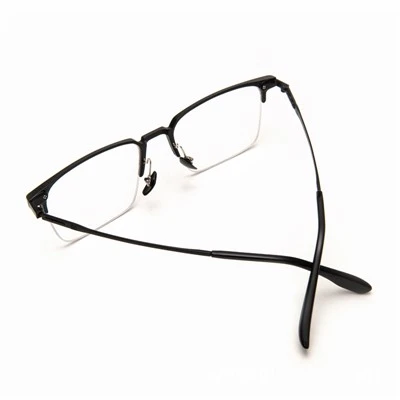
Thanks for sticking with me through this. If you have questions about our line, bulk pricing, or samples, don’t hesitate to reach out. Let’s make polarized sunglasses that actually work for everyone, no matter your gender, your face shape, or your style.
Titanium Glasses References:
- American Academy of Ophthalmology. "Sunglasses and Eye Health." 2023.
- Journal of Occupational and Environmental Hygiene. "Glare Reduction from Polarized Lenses in Outdoor Work Settings." 2022.
- Vision Council. "2023 American Eye-wear Market Report."
- International Organization for Standardization (ISO). "Optics and Optical Instruments – Sunglasses and Related Eyewear for General Use." ISO 12312-1:2022.
Yuhuan Longsen Glasses Co., Ltd.
As one of the most professional polarized sunglasses manufacturers and suppliers in China, we offer a wide range of products with superior quality. Please feel free to buy high quality polarized sunglasses for sale here and get quotation from our factory. We also accept customized orders.
Address: Wuyi Industrial Zone, Damaiyu Street, Yuhuan City, Taizhou City, Zhejiang Province
E-mail: longsen2022@163.com
WebSite: https://www.longsenglasses.com/
