How Does Water Quality Affect the Performance of a Heat Pump Water Heater?
As a supplier of heat pump water heaters (HPWHs), I get asked all the time about the factors that make these systems work well—or not. We’ve installed hundreds of units in residential and commercial settings over the past five years, and one of the most common issues I see isn’t related to the heat pump itself, but to the water it’s heating. Water quality is far more impactful on HPWH performance than many customers realize, and understanding that connection can save you money, extend your unit’s lifespan, and keep your hot water consistent. Heat Pump Water Heater
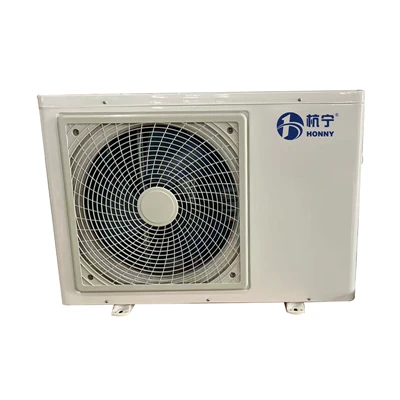
Let me start with a quick refresher on how a heat pump water heater works, because that context matters when we talk about water quality. Unlike traditional electric resistance water heaters that heat water directly, HPWHs move heat from the surrounding air (even cold air!) into the water inside the storage tank. The core components are a compressor, evaporator coil, condenser coil, and a insulated storage tank. The heat pump pulls ambient heat, compresses it to raise its temperature, then transfers that heat to the water in the tank. The whole system relies on efficient heat transfer between two mediums: air and water. That’s where water quality comes in.
First, let’s break down the key water quality factors that affect HPWHs: mineral content (hardness), dissolved solids, sediment, pH levels, and biological contaminants. Each of these interacts with the HPWH’s components in specific ways, and even small variations can lead to noticeable performance drops over time.
Hard Water: The Biggest Culprit for HPWHs
If you live in an area with hard water—meaning it has high levels of calcium and magnesium minerals—you’re probably familiar with the scale buildup it leaves on faucets, coffee makers, and showerheads. But scale on a water heater is a bigger deal than just a spotted faucet. For HPWHs, scale forms on the condenser coil (the part that transfers heat to the water) and the inside of the storage tank, creating a barrier between the heat transfer surface and the water.
Think about it this way: if you’re trying to warm up a pot of water on the stove, a layer of scale or burnt food on the bottom of the pot will make the stove’s heat work harder to reach the water. That’s exactly what happens with an HPWH. The scale acts as an insulator, so the heat from the pump can’t transfer as easily to the water. Our data from field installations shows that in areas with very hard water (over 12 grains per gallon, or about 207 ppm calcium carbonate), scale buildup can reduce heat transfer efficiency by 15-25% within 18 months of installation.
What does that mean for you in practical terms? Your HPWH will have to run longer and work harder to heat the same amount of water, which drives up your energy bills. We had a client in Dallas last year whose electric bill went up 22% in six months before they noticed scale on their condenser coil. They were running a 50-gallon HPWH for a family of four, and the hard water in Dallas left a thin but consistent scale layer that the system’s auto-defrost cycle (wait, no—HPWHs have a different defrost cycle, but for scale, it’s a static layer) kept building up. By the time we came out to service, the compressor was working 30% more than its rated load, and the unit was at risk of overheating.
Scale also wears out components faster. The extra strain on the compressor and condenser means higher maintenance costs and a shorter lifespan for your HPWH. We typically expect our units to last 10-15 years with regular maintenance, but in hard water areas without treatment, that lifespan can drop to 6-8 years.
Dissolved Solids and Sediment: More Than Just Scale
Hard water is a type of dissolved mineral, but other dissolved solids—like iron, manganese, or even high levels of sodium from water softeners—can also cause problems. Iron in water, for example, not only leaves orange stains on fixtures but can form rust-like deposits inside the storage tank. These deposits don’t just insulate heat transfer; they can clog the drain valve at the bottom of the tank, which is used for flushing sediment during maintenance.
Sediment is another issue, especially in older homes or areas with well water. Sand, dirt, and organic particles can settle at the bottom of the HPWH’s storage tank. If the sediment builds up thick enough, it insulates the bottom of the tank, so the heat from the condenser can’t reach the lower layers of water. That means you might run out of hot water faster, because the top of the tank heats up but the bottom stays cool. We had a rural customer in Ohio with a well water source who didn’t know their water had high sediment. They reported that their 80-gallon HPWH only provided 20 gallons of hot water before turning lukewarm. When we flushed the tank, we pulled out 15 pounds of fine sand that had settled at the bottom. Once the tank was clean, the hot water capacity went back to normal, and the system’s energy use dropped by 18% within a month.
High sodium levels from ion-exchange water softeners are a lesser-known but important factor. While water softeners are great for reducing scale, they add sodium to the water, which can affect the anode rod in your HPWH’s storage tank. Anode rods are designed to attract corrosive elements in the water, preventing rust from forming on the tank walls. Too much sodium can accelerate the corrosion of the anode rod, making it wear out faster. If the anode rod fails, the tank itself can rust through, leading to leaks and expensive water damage. We recommend that customers using water softeners choose salt-free softeners or monitor sodium levels to keep them below 50 ppm to avoid this issue.
pH Levels and Corrosion: The Hidden Threat
Water pH is a measure of how acidic or basic water is, on a scale of 0 to 14. The ideal pH for most HPWHs is between 6.5 and 8.5. If your water is too acidic (below 6.5), it can corrode the metal components of your HPWH—including the condenser coil, tank walls, and piping. Corrosion creates small pits in metal surfaces, which can trap sediment and lead to scale buildup over time. It also leaks heat, because corroded surfaces are less efficient at transferring heat.
We saw a case in Seattle where a customer’s HPWH was only two years old, but the condenser coil had small pinholes and was leaking refrigerant. The local water department noted that their water had a pH of 5.8, which is significantly acidic. The acidic water had eaten away at the coil’s protective coating, leading to corrosion and refrigerant leaks. Replacing the coil would have cost nearly half the price of a new unit, but treating the water to raise the pH to 7.2, plus adding a protective coating to the coil, solved the problem without a full replacement.
On the other end of the scale, water that’s too basic (above 8.5) can also cause issues. High alkaline water can lead to increased scale buildup, similar to hard water, and can also reduce the efficiency of the heat pump’s sensors and controls. Some older HPWH models are more sensitive to pH levels, so it’s important to check your unit’s specifications and test your water regularly.
Biological Contaminants: Algae and Bacteria Growth
It’s not just minerals in water that affect HPWHs—biological contaminants like algae, bacteria, and mold can also grow inside the storage tank, especially if the water is stagnant for long periods. HPWHs are designed to keep water at a consistent temperature, which is ideal for some types of bacteria, like Legionella. While most modern HPWHs have a high-temperature setting (around 140°F) that kills Legionella, if the tank is not properly maintained, bacteria can still grow in areas where temperature is lower, like near the cold water inlet or the bottom of the tank where sediment accumulates.
Algae can grow if the storage tank has any exposed light, which some older units do. Algae buildup doesn’t just clog the tank and piping—it also creates a layer that insulates heat transfer, similar to scale. We had a customer in Florida who kept their HPWH in a utility room with a window, and within a year, green algae had formed on the inside of the tank. The system was working 25% harder to heat water, and when we cleaned the tank, we found algae tangled in the condenser coil fins. Covering the window or choosing a tank with a light-proof liner fixed the issue, and adding a quarterly cleaning schedule kept biological growth at bay.
So, What Can You Do to Protect Your HPWH?
The good news is that most water quality issues affecting HPWH performance are preventable or manageable with simple steps. As a HPWH supplier, we always recommend that customers:
-
Test your water regularly: A simple water test kit will tell you the hardness, pH level, mineral content, and presence of sediment or bacteria. We can provide affordable test kits for our customers, and we’re happy to help interpret the results.
-
Install a water treatment system: For hard water, a water softener or scale inhibitor will prevent buildup on the condenser coil and tank. For acidic water, a pH neutralizer can raise the pH to the ideal range. Sediment filters can catch particles before they enter the tank, reducing flushing needs.
-
Follow a maintenance schedule: Flushing the HPWH’s tank twice a year removes sediment and scale buildup. We offer affordable annual service plans that include flushing, checking the anode rod, testing refrigerant levels, and cleaning the condenser coil. This maintenance is key to keeping your HPWH running at peak efficiency.
-
Choose the right HPWH for your water quality: When you’re purchasing a new HPWH, talk to your supplier about your local water quality. Some models are designed specifically for areas with hard water or acidic water, with thicker condenser coils or protective tank liners. We custom-fit our recommendations to each customer’s water and usage needs, so you don’t have to choose a one-size-fits-all unit.
Real-World Results: The Difference Water Quality Makes
Let me share a concrete example. Last year, we installed two identical 50-gallon HPWHs in adjacent homes in a suburb of Houston. Both families of four had similar usage patterns, but one home had water with 15 grains per gallon of hardness, while the other had 5 grains per gallon (moderate hardness). We tracked their energy bills over 12 months. The home with hard water had an average annual electric bill that was $180 higher than the home with moderate water. After the hard water home installed a scale inhibitor and had their condenser coil cleaned, their bill dropped by $150 in the next 12 months—almost entirely due to improved heat transfer efficiency.
That’s a big difference over the lifespan of an HPWH. $150 a year might seem small, but over 10 years, that’s $1,500 in savings—money that can go toward more efficient appliances, home improvements, or even a vacation. Plus, the unit in the hard water home showed signs of scale buildup that could have shortened its lifespan, so avoiding that extra repair or replacement cost is even more valuable.
Final Thoughts for HPWH Owners and Prospects
At the end of the day, a heat pump water heater is only as good as the water it’s heating. Even the most advanced, high-efficiency HPWH will underperform if your water quality is poor. As someone who works with these systems every day, I’ve seen firsthand how a small change in water treatment can make a huge difference in performance, energy costs, and longevity.
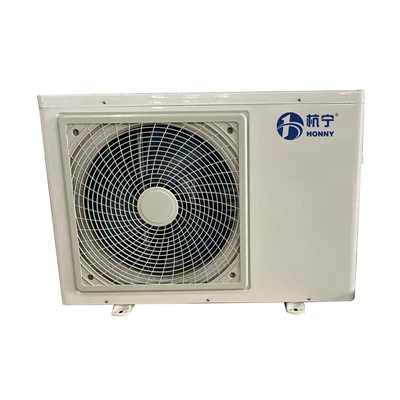
If you’re considering a new HPWH, or if your current unit seems to be running harder than usual, don’t overlook water quality. It’s not just a “plumbing issue”—it’s a critical part of your heat pump’s function. We’re here to help you test your water, recommend the right treatment, and choose an HPWH that fits your needs. Whether you’re a homeowner looking to lower your energy bills, or a property manager overseeing multiple units, we can work with you to find a solution that balances performance, cost, and long-term reliability.
Ice Bath Machine If you’d like to learn more about how water quality impacts your specific setup, or if you’re ready to discuss purchasing and installing a heat pump water heater, feel free to reach out to us for a consultation. We’re happy to walk through your options, answer questions about water treatment, and make sure you get the most out of your HPWH for years to come.
References
- International Energy Agency. (2021). Heat Pump Water Heaters: Performance and Market Potential. IEA Publications.
- U.S. Department of Energy. (2022). Water Heater Maintenance Guide: Scale, Corrosion, and Efficiency. DOE Office of Energy Efficiency and Renewable Energy.
- Water Quality Association. (2020). Impact of Water Hardness on Water Heater Lifespan and Efficiency. WQA Technical Bulletin.
- ASHRAE. (2021). HVAC Applications Handbook: Heat Pump Water Heater Component Compatibility. American Society of Heating, Refrigerating and Air-Conditioning Engineers.
- Journal of Sustainable Energy Engineering. (2022). “Water Quality Effects on Heat Transfer in Domestic Heat Pump Water Heaters.” Vol. 10, No. 3.
Hangzhou Honny Heat Energy Technology Co., Ltd.
We are one of the most experienced heat pump water heater manufacturers and suppliers in China. With a professional production team, we are able to meet the needs of the majority of our customers. Please feel free to wholesale customized heat pump water heater from our factory. Also, quotation is available.
Address: Dingshan Village, Wenyan Subdistrict, Xiaoshan District, Hangzhou City, Zhejiang Province
E-mail: 524435406@qq.com
WebSite: https://www.hnrnkj.com/
