As a packaging equipment supplier, I’ve spent the last 12 years walking alongside plant managers, maintenance techs, and line operators who’ve stared at a dead case sealer, a misfiller, or a label printer mid-production—knowing that every minute of downtime costs them hundreds, sometimes thousands, of dollars. I’ve fixed these machines myself, sat in on post-mortem meetings with teams who tried to “wing it” and made things worse, and learned that troubleshooting electrical issues in packaging equipment isn’t about throwing parts at the problem. It’s about methodical, safety-first, equipment-specific steps that respect the way our machines are built. Packaging Equipment
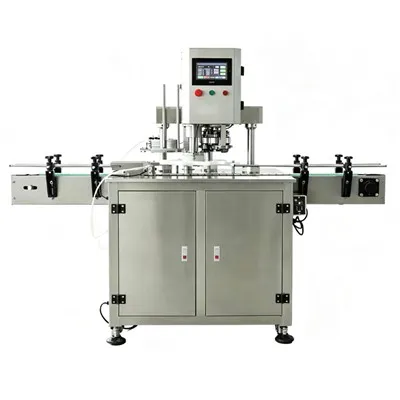
First, the non-negotiable: lockout/tagout (LOTO). I can’t tell you how many times a tech has reached into a control panel “just to grab a wire” without LOTO, and got a shock that sent them to the hospital—or burned out a $1,200 motor that could’ve been avoided. Packaging equipment is designed to run on 120V, 240V, or even 480V depending on the line, and even low-voltage control circuits can hold a residual charge for minutes after power is cut. Before you touch a single component, follow your plant’s LOTO protocol: turn the main disconnect off, test the panel with a multimeter to confirm zero voltage, and attach your lock to the switch. No exceptions. This isn’t a suggestion—it’s how we keep your team safe, and how we protect the equipment we’ve spent months building for you.
Now, let’s get to the most common electrical issues we see, and how to troubleshoot them like a pro. The first on every list: a completely dead line or control panel. If your HMI (human-machine interface) won’t turn on, your conveyor won’t run, and there’s no audible hum from the power supply, start with the big stuff before diving into tiny wires. Check the main power inlet at the back of the machine: is the circuit breaker in your plant tripped? Sometimes a power surge from a nearby line (think a forklift charging or a freezer kicking on) will trip the breaker without your plant’s electrician noticing. If the breaker is fine, pull the disconnect switch on the machine itself and test the input terminals with a multimeter set to AC voltage. If you’re not getting the rated voltage (for example, 240V on a 240V line), the issue is upstream—your plant’s power, not the machine. If you are getting the right voltage, then check the fuses or circuit breakers on the machine’s main power distribution board. Our equipment uses 5x20mm fast-blow fuses for control circuits, and even a 0.1A overcurrent from a loose wire can blow one. I always tell techs to keep a spare set of fuses in their toolbox—no waiting for parts when a line is down.
Next: intermittent issues, the bane of maintenance teams everywhere. “One minute it works, the next it doesn’t” is way trickier than a dead machine, because the problem only shows up when a certain vibration, temperature, or voltage drop hits. The most common culprit here is a loose connection—something as simple as a terminal screw on a motor drive that’s vibrated loose from 12 hours of continuous operation. I’ve seen techs spend hours swapping out a PLC (programmable logic controller) for an intermittent issue, only to find a loose ground wire on the motor at the end of the day. To track this, we use a trick with a multimeter and a vibration pen: while the machine is running (safely, no LOTO needed here—just keep your hands clear of moving parts), run the multimeter’s continuity tester along every major connection. If the beeper cuts out, that’s your loose wire. For vibration-sensitive connections, check the strain reliefs on all cables: packaging machines move constantly, especially rotary labelers and case erectors, so cables can fray at the entrance to the machine. A frayed wire will work when it’s bent a certain way, then break contact when the machine moves. I recommend checking strain reliefs monthly as part of routine maintenance—this prevents 60% of intermittent electrical issues we get service calls for.
Another frequent issue: a motor that won’t start, or starts then stalls. Packaging equipment relies on variable frequency drives (VFDs) to control motor speed for fillers, conveyors, and wrappers, so VFD issues are extremely common. If your motor won’t turn on, first check the VFD’s fault code—our machines use Allen-Bradley or Siemens VFDs, and each fault code tells you exactly what’s wrong. For example, a “OL” (overload) code means the motor is drawing too much current, usually because the line it’s running is overloaded (like a conveyor with too many boxes stacked on it). A “LF” (line fault) code means a voltage drop at the VFD input. I’ve seen techs jump to replacing the motor when the real issue was a dirty air filter on the VFD—VFDs run hot, and a clogged filter will trigger an overload code without any physical damage to the motor. If you get a fault code, always cross-reference it with the VFD’s manual (we include a digital copy with every machine we sell, so be sure to save it to your plant’s server) before ordering a replacement part.
Sensors are another big spot for electrical issues, especially optical sensors used for product detection, label alignment, and fill level checks. If your label printer isn’t registering a blank label to print, or your filler isn’t triggering when a bottle hits the line, the sensor is usually the problem. First, check the alignment: optical sensors need to be aimed directly at the target (label, bottle, etc.) with no obstructions. Dust, cardboard fibers, or even condensation in a cold warehouse can coat the sensor lens and block the light beam. I always tell operators to clean sensor lenses with a microfiber cloth (no paper towels, which scratch the lens) at the start of every shift—this prevents 30% of sensor-related downtime. If the lens is clean, test the sensor’s output with a multimeter: set it to DC voltage, and touch the probes to the sensor’s output terminals. When the target crosses the sensor, you should see a voltage jump (usually 10-30V DC, depending on the sensor type). If there’s no change, the sensor is bad, and it’s a quick swap—no need to call a technician unless the sensor is hardwired into the machine’s harness.
Now, a mistake I see a lot of plant teams make: ignoring control circuit voltage. The low-voltage circuits (24V DC) that run sensors, HMIs, and small relays are easy to overlook because they don’t have the high current of the motor circuits. But a 24V DC drop to 18V is enough to make a sensor misfire or an HMI freeze. To check this, power on the machine and test the output of the power supply module (we use Mean Well power supplies for all our equipment, they’re reliable but not indestructible). If the voltage is low, first check the input to the power supply—if the input is correct but the output is low, the power supply is failing, and it’s a part you can replace in 10 minutes. If the input is also low, you’re dealing with a loose connection in the control circuit wiring, which we covered earlier.
I also want to talk about routine maintenance, because the best troubleshooting is preventing issues before they happen. When we sell a packaging machine, we include a 12-page maintenance checklist that covers electrical components: monthly checks of terminal tightness, sensor lens cleaning, VFD filter cleaning, and fuse inspection. We recommend that techs walk through this checklist every month, and we offer free 30-minute virtual training sessions for our customers to walk through the checklist and answer questions. I’ve seen plants that follow the checklist have 40% less electrical downtime than plants that don’t—small, consistent steps make a huge difference.
Now, what if you’ve tried all these steps and still can’t fix the issue? As a packaging equipment supplier, we offer 24/7 remote support for all our customers. We can connect to your machine’s HMI via a secure VPN connection, pull real-time fault codes, and walk your tech through troubleshooting without needing to send a service tech on-site. For complex issues, we can ship a replacement part the same day, so you’re not waiting 3-5 days for delivery. We also have a team of field service technicians who are on call for emergency issues, so if you’re in a bind, we’re here to help.

Troubleshooting electrical problems in packaging equipment doesn’t have to be overwhelming. It starts with safety, methodical checking of the big-ticket items before moving to small components, and a focus on routine maintenance to prevent issues in the first place. Every machine we build is designed to be user-friendly, with clearly labeled terminals and accessible components, so you don’t need a PhD in electrical engineering to fix most issues. If you’re dealing with persistent electrical problems, or you’re looking for a reliable packaging machine that’s built for easy troubleshooting, don’t hesitate to reach out to our team to discuss your needs. We’re here to help you keep your line running, minimize downtime, and get your products out the door on time.
Packaging Equipment References
- Packaging Machinery Association. (2022). Electrical Safety Guidelines for Industrial Packaging Equipment.
- Allen-Bradley. (2021). VFD Troubleshooting Manual for Food and Packaging Applications.
- Mean Well Power Supplies. (2020). Low-Voltage Control Circuit Maintenance Best Practices.
- Occupational Safety and Health Administration. (2019). Lockout/Tagout Standard for General Industry.
- Packaging Digest. (2023). Common Electrical Downtime Issues in Modern Packaging Lines.
Henan Seveneh Trading Co., Ltd.
As one of the most professional packaging equipment manufacturers and suppliers in China, we’re featured by quality products and good price. Please rest assured to buy advanced packaging equipment made in China here from our factory. We also accept customized orders.
Address: No.102 Wenhui Road, Economic Development Zone, Zhumadian City, Henan Province, China
E-mail: hnseveneh@gmail.com
WebSite: https://www.seveneh.com/
