If you’ve ever worked in or around a spray painting booth, you know those filters aren’t just pieces of paper or fabric sitting in a corner—they’re the unsung heroes keeping your air clean, your equipment running right, and your paint jobs from going south. As a spray painting booth supplier, I get asked this question at least once a week: “How often do I actually need to replace these things?” And honestly, it’s not a one-size-fits-all answer. But I’ll break it down like I would with a client walking through my workshop, no fancy jargon, just straight-up info you can trust. Spray Painting Booth
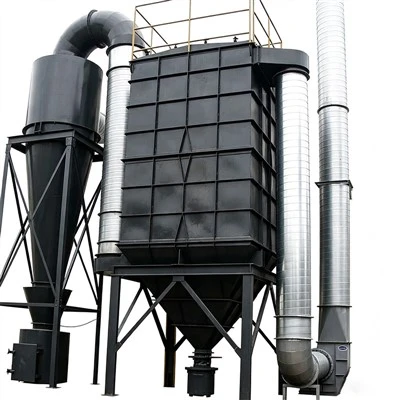
First, let’s set the scene: what do these filters even do? The pre-filters catch the big paint overspray bits, sanding dust, and loose debris before it hits the main high-efficiency filters. The main filters grab the tiny, super fine paint particles that would otherwise float around your booth, get into your technicians’ lungs, or stick to your fresh paint jobs. Skip changing ’em, and you’re not just risking bad paint—you’re risking health issues, expensive equipment clogs, even regulatory fines. I’ve seen clients drag their feet on replacements and end up with 20+ hours of downtime cleaning clogged exhaust fans, so trust me when I say this matters.
So, how often? Let’s start with the basics: under normal, steady use, most general-purpose spray painting booth filters should get swapped every 3 to 6 months. Wait, “normal use” is the key term here. What’s normal? Maybe 8 hours a day, 5 days a week, spraying standard automotive or industrial coatings with consistent overspray. But if you’re running a high-volume shop—like 12+ hours a day, 6 days a week, spraying thick, solvent-heavy paints or even powder coatings? That timeline shrinks fast. I’ve got a line client who does 15 car re-sprays a day, and his pre-filters need changing every 4 weeks, main filters every 12 weeks. If he’d stuck to the 6-month schedule, his air quality would be garbage.
Then there are the red flags that tell you it’s time to swap filters before that timeline. Don’t wait for a filter to fall apart—watch for these signs: your booth’s exhaust fan starts making a weird, strained noise (that’s it working harder to pull air through gunked-up filters), you notice paint overspray drifting into other parts of the workshop instead of getting trapped, or if you’re using a pressure gauge, the static pressure on your filters is 15% higher than the manufacturer’s recommended level. That last one is a big one—most modern booths have a pressure port for this, so it’s easy to check on a quick walkthrough. I tell all my clients to check that pressure every month; it saves you from guessing.
Wait, but what about specific filter types? Not all spray booth filters are created equal. The main high-efficiency panel filters for most standard booths are different from the HEPA filters you’d use for food-grade or aerospace spraying. For HEPA filters—those that catch particles smaller than 0.3 microns—you’re looking at a longer baseline, like 12 to 18 months, but again, use case matters. If you’re spraying lead-based coatings (we still see that in some industrial shops) or bio-based paints that leave sticky residue, HEPA filters might need swapping every 10 months max. And don’t forget pre-filters—they’re the first line of defense, so if you skimp on changing those, you’re ruining your more expensive main filters way faster. I always tell clients to swap pre-filters twice as often as main filters to stretch the life of the big ones.
Here’s a mistake I see all the time: people only replace filters when they look dirty. But here’s the thing—some filters get clogged with fine dust that you can’t even see, so they look fine but they’re not working. Other times, the residue from solvent paints can build up inside the filter medium without making it look visibly grimy, but it’s blocking airflow. Last year, a client of mine thought his pre-filters were good because they didn’t look dirty, but his pressure gauge was through the roof. When we pulled them out, they were coated with tiny, invisible paint particles, and his main filters were already 30% clogged. He had to shut down for a day and pay for emergency filter replacement—cost him way more than if he’d just checked the pressure monthly.
Another factor: booth maintenance habits. Do you wipe down the booth walls between jobs to cut down on overspray buildup? Do you keep the area around the exhaust vents free of clutter? If you’re letting dust and paint build up everywhere, your filters have to work way harder, so they wear out faster. I had a client who ran a small custom spray shop; he was great about cleaning his booth daily, so his filters lasted almost 2x the normal timeline. When he hired a helper who skipped the daily wipe-down, his filters needed changing every 2 months instead of 5. It’s not just the filters themselves—it’s the whole routine around the booth.
Also, don’t sleep on regulatory stuff. A lot of places have OSHA or EPA rules that require spray booth filters to be changed on a schedule to keep air safe for workers. If you’re in a state with strict air quality rules, missing a replacement can get you a fine that’s way more than the cost of a new set of filters. I’ve had clients tell me they ignored the rules at first, then got a $5,000 fine from the environmental department—enough to make them stick to the schedule after that.
Now, as a supplier, what do I recommend to make this easy for you? First, track your usage. If you’re a high-volume shop, log how many jobs you do a week, what type of paint you’re using, and note when you swap filters. After a couple of cycles, you’ll have a custom timeline that works for your shop, not just a generic 3-6 month number. Second, don’t mix filter brands. Using a cheap off-brand pre-filter might save you $5, but it doesn’t catch the big debris, so your main filters wear out faster. I always suggest using filters designed for the exact model of spray booth you have—they fit better, work better, and last longer. Third, set a reminder. Whether it’s a calendar alert, a sticker on your booth, or a note in your shop log, something to remind you when it’s time. I send my clients a quick email reminder a week before their filter is due—small thing, but it keeps people from forgetting.
Wait, what about if you’re just getting started with a new spray booth? My advice is to err on the side of caution for the first 6 months. Use a filter tracking sheet, check that pressure gauge every month, and adjust the timeline as you go. I had a new client last year who installed a booth and followed the 6-month schedule, but after 3 months, his pressure was already 20% high—turns out he was spraying powder coatings, which clog filters way faster than liquid paint. So we adjusted his timeline to 10 weeks for pre-filters, 20 for main ones, and he’s been good ever since.
Let me wrap this up straight: there’s no exact answer, but the sweet spot for most shops is checking filters every month, replacing pre-filters every 1-2 months, main filters every 3-6 months, and HEPA filters every 12-18 months. Adjust based on your usage, your paint type, and that pressure gauge. Skip the guesswork, don’t wait for visible dirt, and you’ll keep your booth running smooth, your workers safe, and your paint jobs perfect.
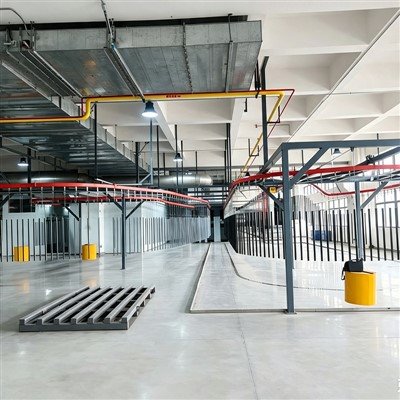
If you’re tired of guessing when to change your filters, or you need a filter set custom-fit to your spray booth, we can help. We’ve got filters for every type of booth, from small automotive shop setups to large industrial spray lines, and we’ll help you figure out the exact timeline that works for your operation. Hit us up to chat through your needs—no pressure, just straight-up advice from someone who’s been in the spray booth game for years.
Waste Gas Treatment Equipment References
- Occupational Safety and Health Administration (OSHA). 2021. Spray Painting Booth Safety Guidelines.
- National Paint and Coatings Association (NPCA). 2022. Filter Maintenance Best Practices for Spray Application Equipment.
- American Industrial Hygiene Association (AIHA). 2020. Air Filtration Standards for Industrial Spray Booths.
Ningbo Jialong Energy-saving and Environmental Protection Technology Co., Ltd.
As one of the most professional spray painting booth manufacturers and suppliers in China, we also support customized service. We warmly welcome to buy advanced spray painting booth in stock here from our factory. If you have any enquiry about quotation, please feel free to email us.
Address: Dong Village, Dongwu Town, Yinzhou District, Ningbo City, Zhejiang Province (No.63 Zhennan Road, Dongwu Town)
E-mail: Lin.cx@nb-jalo.com
WebSite: https://www.cnjialong.com/
