If you’ve ever driven past a new building, a bridge expansion, or even a community streetlight, you’ve probably seen the finished concrete columns holding things up. What you might not have noticed is the messy, often-overvised work that happens behind the scenes to make those columns uniform, strong, and quick to install. At our precast concrete mold company, this is exactly what we specialize in—so let’s break down what a precast concrete column mold actually is, why it matters, and how it’s changed the way construction teams build stuff these days. Precast Concrete Mold
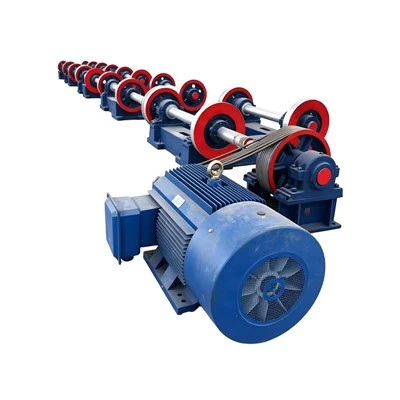
First, let’s get the basics out of the way: precast concrete is just concrete that’s cast, cured, and finished off-site, not right where it’s going to end up. Instead of mixing concrete on a construction site, hauling it to the job, and hoping it sets evenly before you have to move on, you make the columns in a controlled factory space, then truck them over once they’re solid. That cuts down on delays, waste, and guesswork—and the mold is the most important part of that process. A precast concrete column mold is a reusable, custom-made structure that’s used to shape wet concrete into the exact column size, shape, and strength needed for a project. It’s not just a box to pour concrete into; it’s a tool that has to hold up under pressure, keep edges clean, and work for dozens or even hundreds of pours without cracking or warping.
Now, you might be thinking: why not just make the mold out of wood? Or just a big sheet of metal? Well, here’s where the science and practicality kick in. First, concrete when it’s wet is way heavier than most people realize. A 12-inch round precast concrete column that’s 10 feet tall weighs almost 2,000 pounds once cured. The mold has to hold that weight without bending—no one wants a lopsided column that won’t fit into the slot it’s supposed to go into. That’s why most of the molds we supply are made from thick steel, sometimes with reinforced braces welded in to handle even larger columns, like the 3-foot square ones used for highway overpasses. But steel isn’t the only option; we also make molds from fiberglass for smaller projects, like residential porch columns, because it’s lighter, easier to move, and gives a super smooth finish that doesn’t need a lot of extra sanding later.
Wait, smooth finish is a big deal. If you pour concrete into a rusty steel mold, you’ll get a column with little rust spots all over it. If the mold has sharp edges or gaps, you’ll end up with concrete seeping out, wasting material and leaving a rough, uneven surface. Good molds are precision-cut—we use plasma cutters for steel, and CNC routers for fiberglass—to make sure every seam is tight. That’s what keeps the finished columns looking clean and structural sound. And since they’re reusable, investing in a high-quality mold saves project teams a ton of money in the long run. Instead of making a new form every time they need a column, they just clean the old one, oil it a little to keep concrete from sticking, and pour again. Some of our clients use the same mold for over 500 pours before it needs a little repair work.
Let’s talk about different types of column molds, because not all columns are created equal. You’ve got round columns, the classic ones you see on old buildings or streetlights. Square or rectangular columns are super common for commercial buildings, parking garages, and bridges—they’re easier to connect to beams and foundation slabs. Then there are specialty shapes: tapered columns (wider at the base, narrower at the top, common for grand entryways), fluted columns (with grooves along the sides, like on Greek revival buildings), even custom shapes for decorative projects, like columns that look like stone for a historic renovation. We make all of these. For example, when a client is working on a small town’s new downtown plaza, they might order a set of tapered fiberglass molds to match the existing historic lampposts. For a highway expansion, they’d get heavy-duty steel molds for 2-foot square columns that have to support 80-ton bridge spans.
A lot of new builders don’t realize that precast molds also help with quality control. When you pour concrete on-site, weather can mess things up: if it’s too hot, the concrete sets too fast and gets weak; if it rains, it washes away the surface layer. In a factory setting, we can control the temperature and humidity, use air entrainment additives for cold climates, and test every batch before it goes into the mold. The mold ensures every single column is identical—no one column is 1/4 inch wider than the one next to it, which is critical for buildings that have to line up perfectly to meet code. Last year, we supplied molds to a school district that was building 12 new elementary schools; they needed 400 identical square columns for each gym. Without precast molds, they would have ended up with a mix of sizes that would have cost extra time and money to adjust.
Now, let’s get real about what goes into making a mold that works, because it’s not just metal and welding. First, we start with a project drawing: we get the exact dimensions, load requirements, and any special features from the client. For a structural column, the mold has to account for the concrete’s shrinkage as it cures—concrete shrinks about 1/8 inch per foot, so we have to make the mold slightly larger than the finished column to compensate. For decorative columns, we have to match surface textures exactly, sometimes even adding small details like mold marks that look like hand-carved stone. Then, we cut and shape the material, weld all the seams, add support braces, and test the mold before it leaves our shop. We do a “dry run” pour with a small batch of concrete to make sure there are no gaps, no warping, and the finished column comes out clean. If something’s off, we fix it right there—no one wants a mold that has to be shipped back across the country because of a small mistake.
I’ve been in this industry for 7 years, and I’ve seen a lot of changes in precast molds. Ten years ago, most molds were made with mild steel, which would rust if you didn’t store it properly, and would only last 100 pours max. Now, we use galvanized steel or even coated steel molds, which resist rust and can last way longer. We also use CAD/CAM software to design molds, which means we can make custom shapes faster and with more precision than ever before. A client can send us a sketch of a weird, custom column for a boutique hotel, and we can have a mold ready in a couple of weeks, instead of the month it would have taken 10 years ago. The only thing that hasn’t changed? The basics: a good mold has to be strong enough, accurate enough, and easy enough to use that it makes the whole precast process worth it.
Wait, let’s bust a common myth here: some people think precast columns are weaker than cast-in-place columns. That’s not true at all, and the mold is part of why. When you cast concrete in a mold, it cures evenly, with minimal air bubbles trapped inside, which makes it denser and stronger. Cast-in-place concrete often has more voids from uneven pouring, so precast columns can actually handle more weight. And since the mold controls the shape, there’s less chance of structural weak points that come from bad on-site work. The mold is the reason that consistency—something that makes precast concrete a go-to for everything from small home additions to major infrastructure projects.
So why should a builder or project manager care about working with a good precast mold supplier? Because a cheap mold might save you a few bucks upfront, but it’ll warp after 10 pours, leak concrete, and give you wonky columns that don’t fit. We’ve had clients come to us after buying cheap molds from overseas—they ended up having to re-make 20% of their columns because the molds were so inaccurate, costing them way more than if they’d just ordered a quality mold from the start. Our molds are built for real construction sites: they’re easy to clean, stackable when not in use (so you don’t waste storage space), and can be modified if you need to adjust a column size later.
If you’re reading this and you’re involved in a construction project, whether it’s a small residential job or a big infrastructure build, chances are you’re going to need columns at some point. And if you go precast (which we highly recommend), you’re going to need a mold that’s up to the job. We work with all kinds of clients: small general contractors, large construction companies, historic preservation firms, even DIY home builders who are making their own porch columns. We can customize any mold to fit your needs, no job is too small or too big.

Don’t waste time and money on flimsy, generic molds that don’t deliver the quality you need. Reach out to us to talk through your project, tell us what kind of columns you need, and we can help you design a mold that works for you. Whether you need 10 molds for a single residential project or 50 for a commercial development, we’ve got you covered.
Rebar Cage Welding Machine References:
- American Precast Concrete Association. (2022). Precast Concrete Basics: Design, Production, and Quality Control.
- National Ready Mixed Concrete Association. (2021). Mold Design and Fabrication for Precast Concrete Components.
- Construction Industry Institute. (2020). Cost-Benefit Analysis of Precast vs. Cast-in-Place Concrete Construction.
Jiangsu Zhongjian Concrete Machine Equipment Co., Ltd.
Address: Chengbei Industrial Park, Jiangdu District, Yangzhou City, Jiangsu Province
E-mail: JSZJTJ2026@163.com
WebSite: https://www.zhongjianmach.com/
