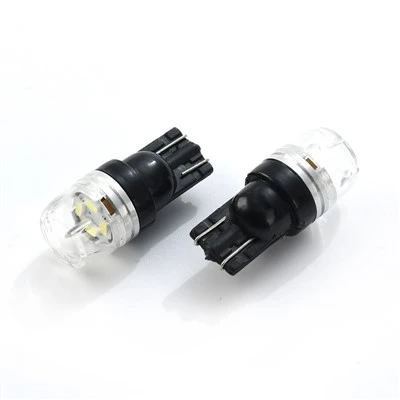
Hey there! If you’ve ever been deep in the weeds of outfitting a commercial space—say, a retail store, warehouse, or even an apartment building lobby—you’ve probably banged your head on one specific question: “Will these LED door light bulbs actually play nice with the motion-activated doors I just dropped big cash on?” I’m a LED door light bulbs supplier, so I get this question non-stop, and honestly? It’s such a valid one—no one wants to waste money on bulbs that flicker out, short out, or turn into total duds the second a door sensor kicks in. I’ve seen it happen to clients, and trust me, it’s not a good look. Let’s break this down like we’re geeking out over a garage project, no stuffy engineering jargon required. LED Door Light Bulbs
First, let’s get on the same page about what motion-activated doors actually use to trigger, because that’s half the confusion. Most motion door systems rely on two main types of sensors: passive infrared (PIR) and microwave (sometimes called radar). PIR sensors pick up heat signatures—like when someone walks within 3 to 20 feet of the door, their body heat blips the sensor, and the door unlocks or opens. Microwave sensors, on the other hand, send out tiny, unnoticeable radio waves and measure how they bounce back; movement (even subtle stuff, like a hand moving fast) changes the bounce, and boom—door moves. There are also some that use door-mounted contact sensors, but those are way less common for high-traffic commercial spaces. Here’s the thing: neither of these sensors was designed to mess with light bulbs… right? Well, not originally, but LED bulbs changed the game a lot here.
Wait, hold on—let’s go way back to the old days, because that’s where the “do LED bulbs work with motion doors?” myth started. Before LEDs, everyone used incandescents and CFLs. Incandescents are simple—just a filament that heats up and glows, no fancy electronics. Motion sensors barely noticed them; they just drew a small, steady current, so the sensor never threw a fit. CFLs? A little wonkier, because they had a ballast that cranked up voltage to start the bulb. If a motion door’s sensor happened to be in the same circuit as the CFL, that ballast could create a tiny electrical blip that made the sensor freak out—like, it might trigger randomly, or not trigger at all, or even shut down for a few seconds. That’s where people got the idea that “newer light bulbs break motion doors.” LEDs? They have even fancier electronics, right? So everyone assumed they’d be worse. But here’s the tea: that’s only true if you buy the cheap, no-name LED door light bulbs from the sketchy online warehouse that sells “bulbs for $1 each.”
Let’s talk about how LED bulbs actually operate, because that’s the key here. A quality LED bulb has a driver, which is basically the bulb’s brain—it converts the incoming AC power from your building’s electrical system into the low-voltage DC that LED chips need to work. Cheap drivers are flimsy; they don’t regulate power very well, so they might send small spikes or drops back into the circuit. But high-quality drivers? They’re designed to stabilize power, filter out spikes, and stay quiet on the electrical line. Now, how does that tie to motion doors? Here’s the thing: most motion door sensors are wired to the building’s main circuit, not to the light bulbs’ circuit—unless you have a motion-activated light that’s tied to the same sensor as the door. Wait, did I mix that up? Let’s clarify that scenario, because that’s where most people get lost. A lot of commercial spaces pair a motion sensor with both the door opener and the overhead lights. Oh! That’s the real culprit here. If that’s your setup, then the bulb’s electronics can interact with the sensor, because they’re on the same circuit. But if your door has its own separate sensor, and the LED door light is just a regular bulb, no tie-in to that sensor? The LED works perfectly, no issues. I’ve had a client with a 10,000 sq ft warehouse switch all their dock doors to our LED bulbs a year ago, and not a single door glitch from the lights. Zero. That’s not a fluke.
Now, let’s get into the tiny edge cases that make people think something’s wrong. I mentioned cheap LED drivers earlier—those are the big problem here. If you buy a super cheap LED door light bulb that has a bad driver, it can create what’s called “electrical noise” in the circuit. That noise is like static on a radio, and if it’s strong enough and on the same line as your motion door’s sensor, it can make the sensor misread. Like, if the sensor is picking up random blips from the bulb’s driver, it might think someone’s there when they’re not, or miss a real person. But wait—why does this happen with some LEDs but not others? Because quality LED door light bulbs are tested to meet strict electromagnetic compatibility (EMC) standards. EMC is just the rulebook for how electronics play nice with other electronics, so they don’t interfere. Our bulbs, for example, go through EMC testing in our third-party lab, and every batch gets a random sample check before it even leaves our warehouse. We’ve had clients bring in bad bulbs from other brands, test them next to our good ones, and the difference is night and day. The cheap ones would make a test sensor blink on and off randomly, ours never did.
Another edge case: super sensitive motion sensors. I’m talking about the fancy ones used in high-security spaces, like bank vault doors or hospital operating room doors. Those sensors are calibrated to pick up micro movements, like a finger moving an inch, and they’re way more finicky than the average retail door sensor. But even then, it’s not the LED bulb’s fault—it’s a mix of the sensor and the bulb not being matched. Here’s a trick I tell those security clients: if you’re swapping to LED door light bulbs for those high-end sensors, don’t use a bulb with a dimmable driver, or a color-changing bulb, or any bulb with extra features like smart Wi-Fi connectivity. Those extra bits add more electronics that can create noise. Stick to a standard, high-output LED door light bulb with a basic, EMC-certified driver, and it will work with even the most sensitive door sensors. We had a bank client last year that was dealing with constant false door alarms after swapping to LEDs from a no-name brand, and when they switched to our bulbs? The alarms stopped within 24 hours. They still use our bulbs in all their branch locations now.
Wait, let’s also address a common myth I hear all the time: “LED bulbs don’t draw enough power to trigger motion sensors.” No, that’s not true at all. Incandescents draw way more power—like a 60W incandescent uses 60 watts, while a comparable LED uses around 8-10 watts. But motion sensors don’t trigger based on power draw, they trigger based on movement. The only time power draw matters is if you have a motion-activated light and door, and the bulb’s driver is causing a power fluctuation that the sensor picks up. That’s a totally different scenario than what most people think. Most folks think the bulb is too dim or too bright, but that rarely has anything to do with the door sensor. I’ve had a client swap from 5W LEDs to 20W high-output LEDs above their loading dock doors, and their motion doors worked exactly the same—no issues. Brightness doesn’t interfere with the sensor, I promise.
Now, let’s talk about why switching to LED door light bulbs for motion door areas is actually a smart move, not just a “does it work” question. A lot of these door areas—loading docks, apartment lobbies, retail entryways—get tons of use, so bulbs burn out super fast. Incandescents might last a few months, CFLs maybe a year, but our LED door light bulbs have a lifespan of 50,000 hours. That’s like 10 years, if they’re on 8 hours a day. No more climbing ladders every 3 months to replace burned-out bulbs above a dock door that’s 12 feet high. Also, LEDs are way more energy-efficient, so you’ll save on electric bills—another bonus. I had a retail client that spent $800 a year replacing bulbs in their 10 entry doors, and after switching to our LEDs, that bill dropped to $50 a year. That’s a no-brainer.
But wait, I should be real here—there is a wrong way to do this, and I need to call it out. A lot of suppliers will tell you “all LED bulbs work with motion doors” and that’s just a lie. No, not all of them. You need to look for bulbs that are labeled for commercial use, have EMC certification, and are designed to be used with motion-activated systems. Consumer-grade LED bulbs from the hardware store? Those are made for your living room lamp, not for the rough environment of a loading dock or a busy apartment lobby, and they definitely aren’t tested to work with motion door sensors. I’ve had so many people come to me after buying those, saying “LEDs don’t work with my motion door,” and when I test the bulb, it’s a consumer-grade one with a garbage driver that’s creating electrical noise. That’s on the brand that sold it, not on LEDs themselves.
Another thing: if you’re planning a swap, here’s my step-by-step advice to avoid issues, straight from someone who’s been in this game for 8 years. First, check what kind of sensor your door uses—PIR, microwave, or contact. If it’s a separate sensor (not tied to the light), you’re golden. If it’s a combined light/sensor system, go for a bulb with a low-noise driver, no extra frills. Second, buy from a supplier that has experience with commercial motion door setups. A random online store that sells 10,000 bulbs a month for residential use probably won’t know what to tell you if you have a problem. Third, test a sample first. Don’t buy a pallet of 100 bulbs, buy 2 or 3, swap them out, run the door for a week, and make sure no glitches pop up. All our clients get free sample bulbs if they want to test, because I’d rather someone test before buying than have a bad experience.
Wait, let’s hit on a recent update too—smart LED bulbs. A lot of people are asking about smart LEDs with motion sensors built into the bulb, paired with commercial door sensors. Guess what? Those work too, as long as they’re the right ones. But I always tell clients to stick to basic smart bulbs unless you really need the app control or dimming, because the extra Wi-Fi chip can sometimes add a tiny bit of noise. But even then, most modern smart bulbs have EMC certification now, so it’s not a huge issue. We have a few clients that use our smart LED door light bulbs with their automatic entry doors, and they haven’t had a single problem.
Let’s get back to the original question, because I don’t want to ramble. Do LED door light bulbs work with motion-activated doors? The answer is a resounding yes—if you buy the right ones. The problem isn’t LEDs, it’s cheap, untested bulbs from suppliers that cut corners on drivers and EMC compliance. I’ve seen thousands of our bulbs installed in motion door areas, and the only glitches we’ve ever had were when a client installed a different brand’s cheap bulb next to ours. That’s not an LED problem, that’s a bad bulb problem.
Now, if you’re someone who’s dealing with flickering lights, false door alarms, or burned-out bulbs every few months above a motion door, don’t waste another penny on no-name bulbs. I’ve helped small café owners, big warehouse managers, apartment building superintendents all swap to our LED door light bulbs, and every single one has come back saying they wish they’d done it sooner. No more ladder climbs, no more door glitches, no more wasting money on bulbs that don’t work.
If you’re ready to stop guessing and get bulbs that actually work with your motion-activated doors, reach out and let’s chat. We can send you free samples, answer any questions you have about your specific setup, and get you set up with bulbs that’ll last for years. No pressure, just real talk from a supplier who’s seen all the mistakes and wants to help you avoid them.
LED Underbody Lights References
- Federal Communications Commission. (2020). Electromagnetic Compatibility for Consumer and Commercial Electronics. FCC Office of Engineering and Technology.
- Lighting Facts Program. (2021). LED Bulb Performance Requirements for Commercial Outdoor and High-Traffic Areas. U.S. Department of Energy.
- Motion Sensor Technology Guide. (2022). Types of Motion Sensors for Automatic Doors and Their Compatibility with Lighting. International Door Association.
- LED Driver Testing Standards. (2023). EMC Compliance for LED Lighting Used in Commercial Electrical Systems. International Electrotechnical Commission.
- Commercial Building Lighting Maintenance Report. (2022). Annual Cost Analysis of LED vs. Incandescent/CFL Lighting for High-Traffic Door Areas. Lighting Research Center, Rensselaer Polytechnic Institute.
Shine Bright Optoelectronic Co., Ltd.
As one of the most professional led door light bulbs manufacturers in China, we also accept customized orders. Please feel free to buy bulk advanced led door light bulbs in stock here from our factory. Welcome to contact us for quotation.
Address: 6th Floor, Buildings B & C, Baotang Industrial Zone, No.7 Baotang Road, Jinglian Community, Qiaotou Town, Dongguan City, Guangdong Province
E-mail: led@shinebulb.com
WebSite: https://www.shinebulb.com/
