Hey there, fellow fiber friends! ???? Let’s cut to the chase—if you’ve ever grabbed our woolen-spun yarn with colored flecks and thought, “Wait, how do I actually work with this stuff?”, you’re not alone. I get it, those little flecks are what make our yarn stand out (hello, that hand-speckled, vintage vibe everyone obsesses over) but they can feel a little tricky at first. I’ve been selling this yarn for years, testing every technique under the sun, and today I’m spilling all the real, no-BS tips I’ve learned to make knitting with it a total breeze. No fancy jargon, no overcomplicated steps—just the stuff that actually works. Woolen-spun Yarn with Colored Flecks
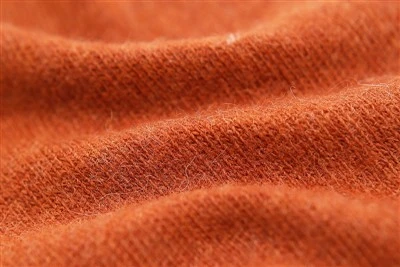
First off, let’s ground this: what even is our woolen-spun yarn with colored flecks? Unlike worsted-spun yarn, which’s super smooth and tight, woolen-spun is fluffy, a bit lofty, and has that soft, airy texture because the fibers are arranged in a more relaxed, crimped way. The colored flecks? They’re little bits of dyed fiber (think deep forest greens, burnt oranges, soft grays—whatever we’re blending that month) that get twisted in mid-spin. That means they’re not just painted on—they’re part of the yarn, so they add that random, unique pop every single time. But that fluff and those flecks come with a tiny quirk: if you’re used to working with ultra-smooth yarn, this might feel a little weird at first. Let’s fix that.
Start With The Right Tools—Don’t Skip This!
I see so many new knitters grab a random pair of needles from their junk drawer and struggle, but trust me, your tools matter here. For this yarn, I always recommend going up one needle size from what the pattern says. Wait, why? Because woolen-spun yarn is softer and a bit thicker than it looks, and going up a size prevents your stitches from feeling too tight—tight stitches will squish those flecks and make them look muted, and they’ll also leave your project scratchy (no one wants that). If you’re a loose knitter? Maybe even go up two sizes—don’t overthink it, just swatch first.
What kind of needles? I’ve tested metal, bamboo, even plastic, and for this specific yarn, bamboo needles are my ride-or-die. They have a little grip that keeps the fluffy yarn from sliding around too much, but they’re not so sticky that the flecks catch and pull. Metal is okay if you knit super fast, but just watch for those flecks—they can sometimes snag on metal’s edge if you’re not careful. And for circular needles? Totally fine, especially for big projects like sweaters—just make sure the cable is smooth, no kinks, because the loose wool fibers will cling to kinks and pull mid-knit.
Pro tip: Don’t use super pointy needles! Blunt or slightly rounded tips are way better for this yarn. Sharp tips can poke straight through the soft wool fibers and even snag the tiny flecks, which is a quick way to get a messy stitch or a broken strand. I learned this the hard way on my first big sweater project—snagged a fleck, spent 20 minutes untangling, and had to frog half my work. Oops.
Cast On Like You Mean It (No Frayed Ends Here!)
One of the biggest frustrations with our woolen-spun yarn with colored flecks is frayed ends when you’re casting on. The fluffy outer fibers love to pull loose, especially when you’re starting a new project. The fix? Use a basic long-tail cast on, but wrap the tail twice around your thumb and index finger first—this gives the cast on edge extra tension to hold the fluffy fibers in. Also, when you cut the tail, leave 6-8 inches instead of the usual 4—short tails get lost in the fluff and are way harder to weave in later.
Another trick: If you’re working a slip knot at the start, don’t pull it super tight. Just enough to hold the needle—tight knots will bunch the yarn and hide those first flecked stitches, making your cast on look messy. I always keep a tiny pair of embroidery scissors handy to snip any stray fibers right as they pop up during cast on—doing that early saves you a mountain of fuzz later.
Knit Stitches That Let The Flecks Shine
Okay, here’s the fun part: the actual knitting! You don’t have to overcomplicate stitch patterns to show off those flecks, but a few simple tweaks will make them pop like crazy. First, avoid super tight tension—seriously, I can’t say this enough. Woolen-spun yarn needs a little give. When you pull the yarn through for a knit stitch, make sure there’s a little slack—if you yank it too tight, the stitch will scrunch up, and the flecks will get smushed together, looking like a blobby mess instead of those tiny, perfect specks.
What about purl stitches? Purl is where the wool can get a little fussy, because the back of the stitch is more loopy and can catch stray flecks. My go-to for purl rows? Use the “English” method if you’re a thrower, or “Continental” if you’re a picker—whatever you do, keep your yarn a little loose as you wrap it around the needle. I’ve found that throwing the yarn (English) works better here because it keeps the yarn more controlled on the front side of your work, which is where those flecks show.
Also, resist the urge to smooth the yarn as you go. That fluffy texture is part of the deal—when you run your fingers over the yarn to straighten it out, you might accidentally move a fleck out of place. Just let the yarn be as it is, and the natural randomness is what makes each project unique. Last month, a customer told me her scarf made with our yarn has a tiny orange fleck right in the center that looks like a little sun—she said she would’ve never fixed that if she tried to smooth it. Embrace the mess, friends!
Handling Strands & Joining New Yarn
Let’s talk about when you run out of yarn—joining a new skein with our woolen-spun, flecked yarn is way easier than it sounds, as long as you don’t cut the ends too short. The absolute worst thing you can do here is knot the two ends together. Knots will create a bulky spot in your project, and they’ll hide the flecks around them. Instead, do a simple “weave and twist” join: lay the two ends parallel, twist them together for about an inch, then weave the loose ends into each other (like when you weave in ends later). No knot, no bulk, and the flecks will blend right in.
Wait, what if you have a little excess fluff at the join? Just snip the excess with those tiny scissors I mentioned earlier—don’t pull hard, because that’ll fray more fibers. And one quick tip: always join new skeins at the end of a row, not in the middle. Joining in the middle breaks up your stitch flow, and you might accidentally create a slanted edge that’s hard to fix. I’ve caught myself joining in the middle before, and it always leads to a weird, lumpy spot that takes extra work to fix. Save yourself the hassle, end of row only.
Avoiding Common Oops Moments (I’ve Made ’Em All!)
Let’s get real—knitting with this yarn isn’t perfect, but most mistakes are super easy to fix. First, pilling. The fluffy wool fibers love to pill a little, especially on high-friction areas like sweater cuffs or scarf edges. How to prevent this? Don’t overwash your project (more on that later) and when you’re knitting, keep your tension consistent—tight stitches pill more. If you do get a tiny pill, just snip it with small scissors (don’t pull, that’ll leave a hole) or use a fabric shaver on a low setting once the project is done.
Another big one: snagged flecks. Even with the best tools, a fleck will sometimes catch on something (your couch, your cat, a button). Here’s what to do: don’t yank it! Gently pull the snagged fleck through the back of the stitch with a tapestry needle, then snip any excess. If you yank, you’ll pull a whole strand of wool loose, creating a bigger snag. I learned this when my cat jumped on my half-finished hat—snagged a brown fleck, pulled it, and ended up with a 2-inch loose strand. Fixed it with a tapestry needle, no problem.
And for the love of all things fiber, don’t bleach it! Those colored flecks are dyed with gentle, non-toxic dyes, and bleach will turn them to weird, faded splotches. If you get a stain on your project, spot clean with a little mild soap (like wool wash) and cold water, gently pat it—don’t rub.
Blocking: The Final Step That Makes All The Difference
Blocking is non-negotiable for woolen-spun yarn, especially with flecks. Blocking evens out stitches, stretches your project to the right size, and makes those flecks look way more defined. Here’s how I block my projects made with this yarn: first, wet block (avoid steam block, because steam can make the flecks bleed a little—though our dyes are set, steam can still mess with the soft fluff). Lay your project flat on a towel, gently shape it to size, pin it down, and let it air dry completely (24-48 hours, depending on size).
Pro tip: When pinning, don’t pin directly on the flecked areas. Pin on the solid parts of the stitches, or near the edges. Pining on a fleck can flatten it, making it look less bright. I always use rust-proof T-pins (metal pins can rust and leave marks on wool) and space them about 2 inches apart—close enough to keep the shape, not so close that you’re squishing fibers.
Wait, can you machine wash projects made with this yarn? I’d recommend hand washing to keep the flecks bright. If you must machine wash, use a gentle cycle, cold water, and a wool-specific detergent, then lay it flat to dry. Don’t hang it—wool stretches when wet, and hanging will leave it misshapen. I’ve had customers tell me they machine wash their scarves all the time with no issues, but sweaters are better hand washed. Just sayin’.
How To Make The Flecks Go The Extra Mile (My Secret Hack)
Okay, since I’m the supplier, I’ve got a little insider hack for making those flecks look even better when you knit. If you’re working a project with solid colors mixed in (like a striped scarf), make the stripes about 2 inches wide—those short stripe breaks make the flecks from our yarn pop against the solid color. I tested this last year with a customer who was making a blanket: she used our gray flecked yarn with cream stripes, and the flecks looked so much brighter than when she used a solid gray yarn.
Another trick: if you’re working in the round, alternate skeins halfway through the project. Since each skein has a unique mix of flecks (they’re all natural, so no two are exactly the same), switching halfway adds a little extra randomness that makes the project look hand-spun, not mass-produced. I always tell customers this when they order multiple skeins—they end up with a one-of-a-kind piece, which is the whole point of this yarn.
Final Thoughts & A Little Request
At the end of the day, knitting with our woolen-spun yarn with colored flecks is all about embracing the imperfection. Those flecks aren’t meant to be perfect—they’re meant to add that little bit of magic that makes your project feel personal, like something you made with your hands, not just a generic pattern. I’ve seen people make everything from cozy hats to wedding shawls with this yarn, and each one is totally unique because of the flecks.
If you’ve been on the fence about trying this yarn, just grab a skein and give it a shot—you don’t have to make a whole sweater first. Try a small scarf or a pair of wrist warmers to test the waters. And if you’re a maker, designer, or shop owner looking to stock this yarn for your own customers? We’re always here to chat about bulk orders, custom blends, and any questions you have. Hit us up whenever—we’re all about helping people make stuff they love.
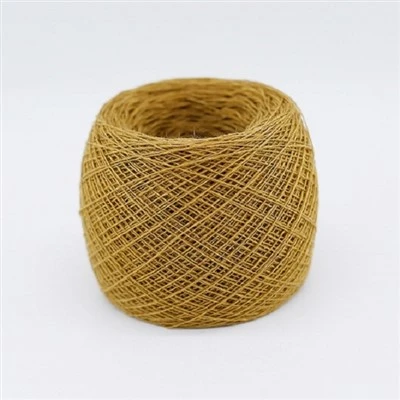
Last quick note: don’t overthink it! The best projects made with flecked yarn are the ones that feel comfortable, that you didn’t stress over every single stitch. Let the wool do its thing, let the flecks land where they want, and enjoy the process. Happy knitting, friends! ????
Wool Yarn References
- The Knitter’s Book of Yarn: A Guide to Yarn Types and Their Uses, Clara Parkes, 2007
- Wool Processing and Spinning: A Practical Guide, Deborah Chandler, 2018
- Handknitter’s Blocking Bible: Master the Technique for Perfect Finishes, Stefanie Japel, 2020
Huangshan Aotai Textile Co., Ltd.
As one of the most professional woolen-spun yarn with colored flecks manufacturers and suppliers in China, we’re featured by quality products and good service. Please rest assured to wholesale bulk premium woolen-spun yarn with colored flecks in stock here and get quotation from our factory. We also accept customized orders.
Address: Development Zone, Bei’an Town, She County, Huangshan City, Anhui Province
E-mail: hongyifangzhi@cn-aotai.com
WebSite: https://www.cn-aotai.com/
