As a seasoned player in the automotive parts supply industry, I’ve witnessed firsthand the intricate dance of components within a vehicle’s exhaust system. The exhaust system is far more than just a pipe that expels fumes; it’s a complex network of parts, each with a specific function that contributes to the overall performance, efficiency, and environmental friendliness of a vehicle. In this blog, I’ll delve into the functions of key automotive parts in an exhaust system, sharing insights that I hope will be valuable to both automotive enthusiasts and professionals. Automotive Parts
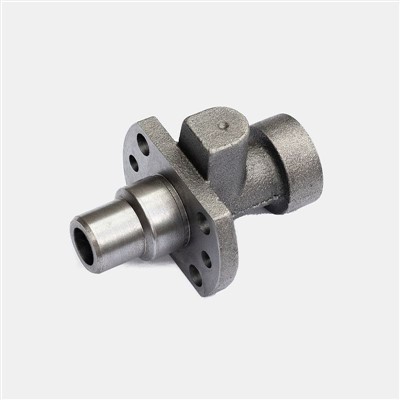
Exhaust Manifold: The Starting Point
The exhaust manifold is the first component in the exhaust system, and its primary function is to collect exhaust gases from the engine’s cylinders. In a multi – cylinder engine, each cylinder has its own exhaust port, and the exhaust manifold channels these gases into a single pipe. This consolidation is crucial as it allows for a more efficient flow of exhaust gases out of the engine.
The design of the exhaust manifold can significantly impact engine performance. A well – designed manifold minimizes backpressure, which is the resistance that exhaust gases face as they exit the engine. By reducing backpressure, the engine can breathe more easily, leading to improved power output and fuel efficiency. For example, a header – style exhaust manifold, which has individual tubes for each cylinder that merge into a collector, is often used in high – performance vehicles to enhance exhaust flow.
Catalytic Converter: The Environmental Guardian
The catalytic converter is perhaps the most well – known component of the exhaust system in terms of its environmental impact. Its main function is to reduce harmful emissions by converting toxic pollutants in the exhaust gases into less harmful substances. The catalytic converter contains a catalyst, typically made of precious metals such as platinum, palladium, and rhodium.
When exhaust gases pass through the catalytic converter, a series of chemical reactions occur. Carbon monoxide (CO) is oxidized to carbon dioxide (CO₂), unburned hydrocarbons (HC) are oxidized to water (H₂O) and carbon dioxide, and nitrogen oxides (NOₓ) are reduced to nitrogen (N₂) and oxygen (O₂). This process helps vehicles meet strict emission standards and reduces the environmental impact of driving.
Muffler: The Noise Reducer
The muffler is responsible for reducing the noise produced by the engine’s exhaust gases. As the high – pressure exhaust gases exit the engine, they create a loud noise. The muffler uses a series of chambers, baffles, and perforated tubes to absorb and cancel out the sound waves.
There are different types of mufflers, each with its own design and noise – reduction capabilities. For example, a chambered muffler uses a series of chambers to reflect and cancel out sound waves, while a straight – through muffler allows exhaust gases to flow more freely, reducing backpressure but providing less noise reduction. The choice of muffler depends on the vehicle’s application and the driver’s preferences.
Resonator: Fine – Tuning the Sound
The resonator is often used in conjunction with the muffler to further fine – tune the exhaust sound. It acts as an acoustic filter, targeting specific frequencies of sound waves. By adjusting the size and shape of the resonator, it’s possible to enhance or dampen certain frequencies, creating a more pleasing exhaust note.
Resonators can also help reduce low – frequency drone, which is a common annoyance in some vehicles. They work by canceling out the unwanted frequencies, resulting in a smoother and more refined exhaust sound.
Exhaust Pipes: The Conduits
Exhaust pipes are the channels through which exhaust gases flow from the engine to the rear of the vehicle. They need to be strong, durable, and resistant to corrosion. The diameter and length of the exhaust pipes can affect the performance of the exhaust system.
A larger – diameter exhaust pipe can reduce backpressure, allowing for better exhaust flow and potentially increasing engine power. However, if the pipe is too large, it can also reduce exhaust velocity, which may negatively impact low – end torque. On the other hand, a smaller – diameter pipe can increase exhaust velocity, improving low – end torque but potentially increasing backpressure at higher engine speeds.
Oxygen Sensor: The Performance Monitor
The oxygen sensor is a crucial component that monitors the amount of oxygen in the exhaust gases. It provides feedback to the vehicle’s engine control unit (ECU), which uses this information to adjust the air – fuel mixture.
A properly functioning oxygen sensor ensures that the engine is running at the optimal air – fuel ratio. If the air – fuel mixture is too rich (too much fuel relative to air), the engine will produce more pollutants and consume more fuel. If the mixture is too lean (too much air relative to fuel), the engine may experience misfires and reduced performance. By continuously monitoring the oxygen levels in the exhaust, the oxygen sensor helps maintain engine efficiency and reduce emissions.
Tailpipe: The Final Exit
The tailpipe is the last component of the exhaust system, and it’s the visible part that expels the exhaust gases into the atmosphere. While its primary function is to direct the exhaust gases away from the vehicle, it can also have an aesthetic impact. Tailpipes come in various shapes, sizes, and finishes, allowing vehicle owners to customize the look of their vehicles.
In addition to aesthetics, the design of the tailpipe can also affect the exhaust sound. A larger – diameter or a flared tailpipe can enhance the exhaust note, giving the vehicle a more aggressive sound.
Why Choose Our Automotive Parts?
As an automotive parts supplier, we understand the importance of quality and performance in every component of the exhaust system. Our parts are manufactured using the latest technology and high – quality materials to ensure durability, reliability, and optimal performance.
We offer a wide range of exhaust system parts, including exhaust manifolds, catalytic converters, mufflers, resonators, exhaust pipes, oxygen sensors, and tailpipes. Whether you’re a mechanic looking for replacement parts or a vehicle owner looking to upgrade your exhaust system, we have the products you need.
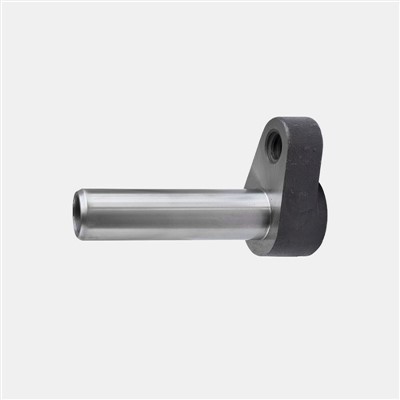
Our team of experts is always available to provide technical support and advice. We can help you choose the right parts for your vehicle based on your specific needs and requirements. We also offer competitive pricing and fast shipping, ensuring that you get the parts you need when you need them.
Precision Machined Parts If you’re interested in purchasing automotive parts for your exhaust system, we invite you to contact us for a detailed quote. Our sales team will be happy to assist you in finding the perfect parts for your vehicle. We look forward to working with you and helping you enhance the performance and efficiency of your vehicle’s exhaust system.
References
- Bosch Automotive Handbook, 8th Edition
- Haynes Automotive Repair Manuals
- SAE International Technical Papers
Taizhou Liuhuan Machinery Co., Ltd.
As one of the most professional automotive parts manufacturers and suppliers in China, we’re featured by quality products and good service. Please rest assured to buy customized automotive parts made in China here from our factory. For quotation, contact us now.
Address: Xinyuan Industrial Zone, Damaiyu Street, Yuhuan City, Zhejiang Province,China
E-mail: tzlhmachining@gmail.com
WebSite: https://www.tzlhmachining.com/
