Determining the correct height of a road bike handlebar is a crucial aspect of bike setup that significantly impacts comfort, performance, and overall riding experience. As a supplier of road bike handlebars, I’ve witnessed firsthand the importance of getting this right. In this blog, I’ll share insights on how to determine the optimal handlebar height, drawing from industry knowledge and practical experience. Road Bike Handlebar
Understanding the Basics of Handlebar Height
The height of a road bike handlebar refers to its vertical position relative to the saddle. It affects your body position on the bike, which in turn influences your comfort, power transfer, and aerodynamics. A handlebar that is too high can lead to an upright position, reducing aerodynamics but increasing comfort. Conversely, a handlebar that is too low can improve aerodynamics but may cause discomfort and strain on your neck, shoulders, and back.
Factors Affecting Handlebar Height
Several factors should be considered when determining the correct handlebar height:
Body Geometry
Your body geometry, including your height, arm length, and flexibility, plays a significant role in determining the appropriate handlebar height. Taller riders with longer arms may require a higher handlebar to maintain a comfortable riding position, while shorter riders may prefer a lower handlebar for better aerodynamics. Additionally, riders with limited flexibility may need a higher handlebar to reduce strain on their neck and shoulders.
Riding Style
Your riding style also influences the handlebar height. If you’re a recreational rider who values comfort over speed, a higher handlebar may be more suitable. On the other hand, if you’re a competitive cyclist who prioritizes aerodynamics and power transfer, a lower handlebar may be preferred.
Bike Fit
Proper bike fit is essential for determining the correct handlebar height. A professional bike fit can help you find the optimal position for your saddle, handlebar, and pedals, ensuring that your body is in a balanced and efficient riding position. During a bike fit, the fitter will take into account your body measurements, riding style, and flexibility to recommend the appropriate handlebar height.
Methods for Determining Handlebar Height
There are several methods you can use to determine the correct handlebar height:
Trial and Error
One of the simplest methods is to adjust the handlebar height through trial and error. Start by setting the handlebar at a height that feels comfortable and then make small adjustments based on your riding experience. Pay attention to how your body feels during rides, including any discomfort or strain in your neck, shoulders, or back. If you experience discomfort, try raising or lowering the handlebar to find a more comfortable position.
The Inseam Method
The inseam method is a popular way to estimate the appropriate handlebar height. To use this method, measure your inseam (the distance from your crotch to the floor) in centimeters. Multiply your inseam measurement by 0.225 to get an approximate handlebar height in centimeters. For example, if your inseam is 80 cm, your estimated handlebar height would be 80 x 0.225 = 18 cm.
The Saddle-to-Handlebar Drop Method
The saddle-to-handlebar drop method involves measuring the vertical distance between the top of the saddle and the top of the handlebar. A typical drop for a road bike is between 5 and 10 cm, but this can vary depending on your riding style and body geometry. To measure the drop, use a ruler or a bike fit tool to measure the distance from the top of the saddle to the top of the handlebar. If the drop is too large, you may need to raise the handlebar; if it’s too small, you may need to lower it.
Fine-Tuning the Handlebar Height
Once you’ve determined the approximate handlebar height, you can fine-tune it to achieve the optimal riding position. Here are some tips for fine-tuning the handlebar height:
Pay Attention to Your Body
Your body is the best indicator of whether the handlebar height is correct. Pay attention to how your body feels during rides, including any discomfort or strain in your neck, shoulders, or back. If you experience discomfort, try making small adjustments to the handlebar height until you find a more comfortable position.
Consider Your Riding Style
Your riding style also plays a role in fine-tuning the handlebar height. If you’re a competitive cyclist who prioritizes aerodynamics and power transfer, you may want to lower the handlebar slightly to achieve a more aggressive riding position. On the other hand, if you’re a recreational rider who values comfort over speed, you may want to raise the handlebar slightly to reduce strain on your neck and shoulders.
Experiment with Different Positions
Don’t be afraid to experiment with different handlebar positions to find the one that works best for you. You can try using different handlebar extensions or changing the angle of the handlebar to adjust your riding position. Just make sure to make small adjustments and give your body time to adapt to the changes.
The Importance of a Proper Handlebar Height
A proper handlebar height is essential for several reasons:
Comfort
A handlebar that is too high or too low can cause discomfort and strain on your neck, shoulders, and back. By finding the correct handlebar height, you can reduce the risk of developing pain and injuries, allowing you to enjoy longer rides without discomfort.
Performance
The handlebar height can also affect your performance on the bike. A lower handlebar can improve aerodynamics, allowing you to ride faster with less effort. On the other hand, a higher handlebar can provide more comfort and stability, making it easier to maintain a steady pace over long distances.
Safety
A proper handlebar height is also important for safety. A handlebar that is too high can make it difficult to control the bike, especially at high speeds. Conversely, a handlebar that is too low can limit your visibility and make it harder to react to unexpected situations on the road.
Conclusion
Determining the correct height of a road bike handlebar is a crucial aspect of bike setup that requires careful consideration of your body geometry, riding style, and bike fit. By using the methods and tips outlined in this blog, you can find the optimal handlebar height for your needs, ensuring a comfortable, efficient, and safe riding experience.
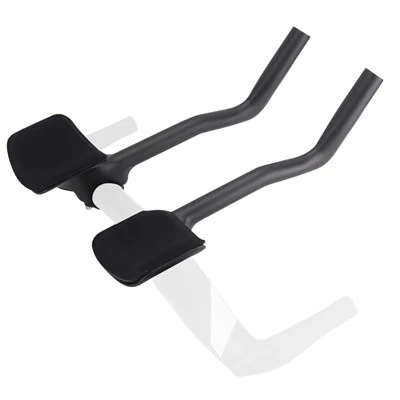
Triathlon Handlebar If you’re in the market for a new road bike handlebar, I invite you to contact me to discuss your options. As a supplier of high-quality road bike handlebars, I can help you find the perfect handlebar for your bike and riding style. Whether you’re a competitive cyclist or a recreational rider, I’m here to provide you with the best products and services to meet your needs.
References
- "Bike Fit: The Complete Guide" by Lennard Zinn
- "The Cyclist’s Training Bible" by Joe Friel
- "Road Bike Handbook" by Sheldon Brown
Hunan Yecheng Technology Co., Ltd.
We’re well-known as one of the leading road bike handlebar manufacturers and suppliers in China, also support customized service. Please feel free to buy high quality road bike handlebar for sale here from our factory. For more information, contact us now.
Address: Changsha, Hunan Province, China.
E-mail: info@rxlsl.com
WebSite: https://www.rxlsl.com/
