Alumina ceramic, recognized as a high – performance ceramic material, has drawn great attention in various industrial sectors, especially regarding its ability to resist high temperatures. As a professional alumina ceramic supplier, I am committed to providing in – depth insights into this material, including its high – temperature resistance and related applications. Alumina Ceramic
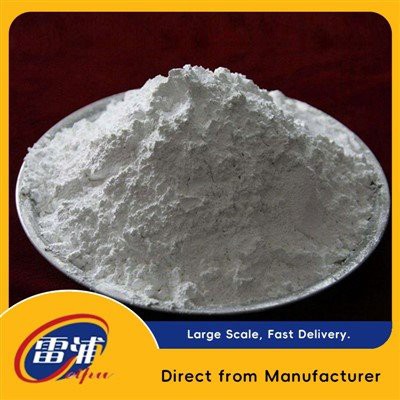
The Material Composition and Crystal Structure of Alumina Ceramics
Alumina ceramic is primarily composed of aluminum oxide (Al₂O₃), which is a compound renowned for its stable chemical properties. The performance of alumina ceramics can vary depending on the content of Al₂O₃. Common alumina ceramics contain 75%, 95%, 99%, and even higher percentages of alumina. The higher the alumina content, the better the comprehensive performance, especially in terms of high – temperature resistance.
From a crystal structure perspective, the most common crystal form of alumina in ceramic materials is α – Al₂O₃. This crystal form has a very dense and stable structure, where aluminum ions and oxygen ions are closely arranged in a hexagonal close – packed lattice. This stable crystal structure is the fundamental reason why alumina ceramics can withstand high temperatures. In this lattice, the strong ionic bonds between aluminum and oxygen ions require a large amount of energy to break, which endows alumina ceramics with excellent thermal stability.
High – Temperature Resistance Mechanism of Alumina Ceramics
Chemical Stability at High Temperatures
One of the key reasons for the high – temperature resistance of alumina ceramics is their remarkable chemical stability. At high temperatures, many substances are prone to chemical reactions, such as oxidation, reduction, and decomposition. However, alumina ceramics are relatively inert and do not easily react with most gases, liquids, and solids. For example, in an oxygen – rich high – temperature environment, alumina ceramics will not oxidize further, as aluminum oxide is already in its highest oxidation state.
Low Thermal Expansion Coefficient
Another important factor contributing to the high – temperature resistance of alumina ceramics is their relatively low thermal expansion coefficient. The thermal expansion coefficient is a measure of the degree of dimensional change of a material with temperature. A low thermal expansion coefficient means that when the temperature changes, the dimensional change of the material is small. This property is crucial for materials used in high – temperature environments, as large thermal expansion can lead to internal stress and even cracking of the material. Alumina ceramics have a thermal expansion coefficient in the range of approximately 6 – 8×10⁻⁶ /°C, which allows them to maintain stable physical dimensions in high – temperature conditions.
High Melting Point
Alumina itself has a very high melting point, around 2050°C. This high melting point forms the basis for the high – temperature resistance of alumina ceramics. Even when the ambient temperature is very high, as long as it does not reach the melting point of alumina, the ceramic will not melt or deform significantly. In practical applications, alumina ceramics can work stably for a long time at temperatures close to 1600 – 1800°C.
Testing the High – Temperature Resistance of Alumina Ceramics
To accurately evaluate the high – temperature resistance of alumina ceramics, multiple testing methods are used. One common method is the high – temperature furnace test. In this test, samples of alumina ceramics are placed in a high – temperature furnace, and the temperature is gradually increased at a certain heating rate. During the process, parameters such as the dimensional change, mass change, and change in mechanical properties of the samples are monitored.
Another important test is the thermal shock test. In a high – temperature environment, materials often encounter sudden changes in temperature. The thermal shock test simulates these scenarios by rapidly heating and cooling the alumina ceramic samples. By observing the surface of the samples after multiple cycles of thermal shock, we can evaluate their ability to resist thermal shock damage. A good – quality alumina ceramic should not develop cracks or deterioration after a certain number of thermal shock cycles.
Applications of Alumina Ceramics Based on High – Temperature Resistance
Metallurgical Industry
In the metallurgical industry, high temperatures are a common working condition. Alumina ceramics are widely used as refractory materials in blast furnaces, converters, and other high – temperature equipment. For example, alumina ceramic bricks can be used to line the inner walls of furnaces, protecting the furnace shells from the erosion of high – temperature molten metals and slags. Their high – temperature resistance and chemical stability ensure the long – term stable operation of these furnaces.
Electronics Industry
In the electronics industry, alumina ceramics are used as substrates for high – temperature electronic devices. With the continuous development of electronic technology, the power of electronic components is increasing, and the heat generated during operation is also increasing. Alumina ceramics, with their excellent high – temperature resistance and electrical insulation properties, can provide a stable support and protection environment for these high – power electronic components. For example, in some high – power LED chips, alumina ceramic substrates are used to dissipate heat and ensure the normal operation of the chips at high temperatures.
Aerospace Industry
The aerospace industry has extremely high requirements for material performance. Alumina ceramics are used in engine components, thermal protection systems, and other parts. In aerospace engines, the high – temperature environment during combustion requires materials with excellent high – temperature resistance. Alumina ceramics can maintain their mechanical properties and structural integrity in this harsh environment, ensuring the reliable operation of the engine.
Quality Control and Assurance of Alumina Ceramics in High – Temperature Applications
As a supplier of alumina ceramics, we understand the importance of quality control in high – temperature applications. We implement strict quality control procedures throughout the production process. Starting from the selection of raw materials, we ensure that the purity and particle size of the alumina powder meet the required standards.
During the forming process, we use advanced forming techniques, such as dry pressing, isostatic pressing, and injection molding, to ensure uniform density and shape of the ceramic green bodies. In the sintering process, we precisely control the sintering temperature, time, and atmosphere to ensure that the alumina ceramics have the desired crystal structure and performance.
After production, each batch of products undergoes strict quality inspections. In addition to the high – temperature resistance and thermal shock resistance tests mentioned above, we also conduct tests on mechanical properties, electrical properties, and chemical composition to ensure that the products meet the high – quality requirements of customers.
Conclusion
In conclusion, alumina ceramics have outstanding high – temperature resistance due to their stable chemical composition, dense crystal structure, low thermal expansion coefficient, and high melting point. Through a series of scientific tests and research, its high – temperature performance has been continuously verified and improved.

In various industries such as metallurgy, electronics, and aerospace, alumina ceramics have played important roles based on their high – temperature resistance. As a professional alumina ceramic supplier, we have the ability to provide high – quality alumina ceramic products that meet different customer needs.
Fused Alumina-Based Materials If you are looking for reliable alumina ceramic products for high – temperature applications, we are here to serve you. Our team of experts can provide you with customized solutions and high – quality after – sales service. Contact us to start a purchase negotiation, and let us work together to achieve your goals in high – temperature applications.
References
- Kingery, W. D., Bowen, H. K., & Uhlmann, D. R. (1976). Introduction to Ceramics. Wiley.
- Reed, J. S. (1995). Principles of Ceramic Processing. Wiley.
- Rahaman, M. N. (2003). Ceramics: Processing and Sintering. CRC Press.
Shandong Leipu New Material Technology Co., Ltd.
With abundant experience, we are one of the most professional alumina ceramic manufacturers and suppliers in China. Please feel free to buy high quality alumina ceramic for sale here and get quotation from our factory. For price consultation, contact us.
Address: Advanced Ceramic Industry Innovation Park, No. 125, Liuquan Road, High-tech Zone, Zibo City, Shandong Province
E-mail: 2330389088@qq.com
WebSite: https://www.sdleipu.com/
