In today’s digital era, a reliable and expansive network is the cornerstone of seamless communication and efficient operations. As a seasoned supplier of network switches, I’ve witnessed firsthand the growing demand for solutions that can enhance Wi – Fi network coverage. This leads to a frequently asked question: Can a network switch be used to expand a Wi – Fi network? Let’s delve into this topic in detail. Network Switches
Understanding the Basics: Wi – Fi Networks and Network Switches
First, let’s clarify what a Wi – Fi network and a network switch are. A Wi – Fi network allows devices to connect to the internet or a local network wirelessly using radio waves. It provides the convenience of mobility, enabling users to access network resources from various locations within the signal range. However, Wi – Fi networks have limitations, such as signal strength degradation over distance and interference from physical obstacles.
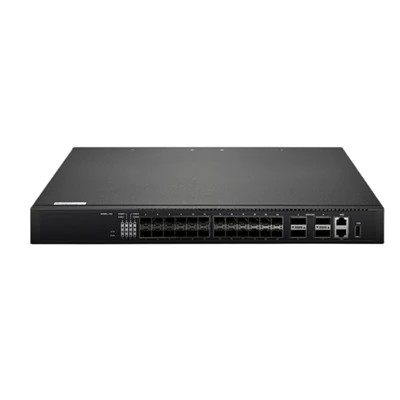
On the other hand, a network switch is a hardware device that connects multiple devices within a local area network (LAN). It operates at the data link layer (Layer 2) of the OSI model and uses MAC addresses to forward data packets between connected devices. Switches are known for their high – speed data transfer capabilities and the ability to create multiple network connections simultaneously.
How a Network Switch Can Expand a Wi – Fi Network
The answer is yes, a network switch can indeed be used to expand a Wi – Fi network, and here are the ways:
Connecting Multiple Access Points
One of the most common methods is to use a network switch to connect multiple Wi – Fi access points (APs). An access point is a device that creates a Wi – Fi network by bridging a wired network to a wireless one. By connecting multiple APs to a network switch, you can increase the coverage area of your Wi – Fi network.
For example, in a large office building, a single Wi – Fi access point may not be sufficient to provide reliable coverage throughout the entire space. By using a network switch to connect several access points in different areas of the building, you can ensure that employees can connect to the Wi – Fi network from any corner of the office. Each access point can operate on a different channel to minimize interference, and the switch ensures seamless data flow between them.
Distributing Wired and Wireless Traffic
A network switch can also help in distributing both wired and wireless traffic effectively. In a home or office environment, there are often a mix of devices that connect to the network, some via Wi – Fi and others via Ethernet cables. A switch can be used to connect these wired devices to the same network infrastructure that supports the Wi – Fi access points.
For instance, you might have desktop computers, printers, and network – attached storage (NAS) devices that are connected via Ethernet to the network switch. At the same time, your laptops, smartphones, and tablets connect to the Wi – Fi access points. The switch manages the data traffic between all these devices, ensuring that each device can communicate with others on the network efficiently.
Creating a Hierarchical Network Structure
In larger networks, a hierarchical network structure can be established using network switches. This involves using multiple switches in a tiered fashion to expand the network. For example, a core switch can be connected to the internet router, and then multiple access switches can be connected to the core switch. Wi – Fi access points can be connected to the access switches.
This hierarchical structure not only helps in expanding the network but also provides better network management and scalability. As the network grows, additional switches and access points can be easily added to the existing infrastructure without causing significant disruptions.
Advantages of Using a Network Switch to Expand a Wi – Fi Network
Improved Performance
By distributing the network load across multiple access points and devices, a network switch can significantly improve the overall performance of the Wi – Fi network. It reduces congestion and ensures that data packets are forwarded quickly and efficiently. This results in faster internet speeds, lower latency, and a more stable connection for all users.
Enhanced Scalability
As your network requirements grow, it’s easy to scale up by adding more access points and devices to the network switch. Whether you’re expanding a small home network or a large enterprise network, a network switch provides a flexible and scalable solution. You can start with a small – scale setup and gradually add more components as needed.
Better Network Management
Network switches offer advanced management features that allow you to monitor and control the network effectively. You can configure VLANs (Virtual Local Area Networks) to segment the network, set up Quality of Service (QoS) policies to prioritize certain types of traffic, and perform other network management tasks. This helps in optimizing the network performance and ensuring security.
Considerations When Using a Network Switch to Expand a Wi – Fi Network
Compatibility
It’s crucial to ensure that the network switch you choose is compatible with your existing network infrastructure and Wi – Fi access points. Check the specifications of the switch, such as the number of ports, port speed, and support for various network protocols. Make sure it can handle the data traffic requirements of your network.
Power Supply
If you’re using Power over Ethernet (PoE) – enabled access points, ensure that the network switch can provide sufficient power. PoE allows you to power the access points through the Ethernet cables, eliminating the need for separate power supplies. Some switches support different levels of PoE power output, so choose one that meets the requirements of your access points.
Configuration
Proper configuration of the network switch and access points is essential for optimal performance. You need to configure settings such as IP addresses, VLANs, and wireless security protocols correctly. If you’re not familiar with network configuration, it’s recommended to seek the help of a professional network administrator.
Conclusion
In conclusion, a network switch is a valuable tool for expanding a Wi – Fi network. It offers numerous benefits, including improved performance, scalability, and better network management. By connecting multiple access points, distributing wired and wireless traffic, and creating a hierarchical network structure, a network switch can effectively extend the coverage and functionality of your Wi – Fi network.
Network Security If you’re looking to expand your Wi – Fi network or in need of high – quality network switches, we’re here to help. Our company specializes in providing a wide range of network switches that are designed to meet the diverse needs of different networks. Whether it’s a small home network or a large enterprise network, we have the right solution for you. Contact us to discuss your network requirements and explore how our network switches can enhance your Wi – Fi network.
References
- Andrew S. Tanenbaum, David J. Wetherall, "Computer Networks (5th Edition)"
- Richard A Deal, "Network Warrior: Troubleshooting and Optimizing Networks"
Shenzhen TFNEW Technology Co., Ltd.
Shenzhen TFNEW Technology Co., Ltd. is is one of the most professional network switches manufacturers and suppliers in China, also supports customized service. We warmly welcome you to wholesale bulk cheap network switches from our factory. If you have any enquiry about cooperation, please feel free to email us.
Address: Room 408, Block F, Zhantao Commercial Plaza, No. 376 Longhua Jianshe Road, Longping Community, Dalang Sub-district, Longhua District, Shenzhen City
E-mail: jack@tfnew.com
WebSite: https://www.tfictai.com/
