Hey everyone, let’s talk about something we all deal with: energy slumps. You’re mid-afternoon, coffee’s already had two refills, and you’re staring at your screen like it personally offended you. I’ve been in that spot, and as someone who works in the sweeteners space, I’ve spent way too much time digging into what actually fuels the body without that crash we all hate. Spoiler alert: not all sweeteners are created equal—some might actually help keep your energy steady, not tank it an hour later. Sweeteners
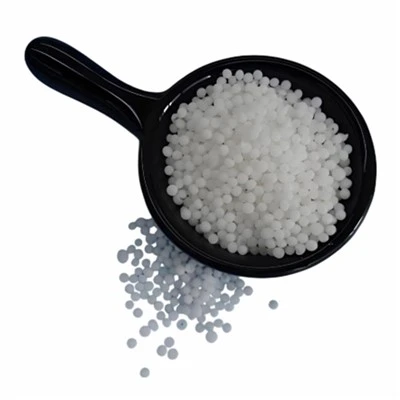
First, let’s get one thing straight: when people hear “sweetener,” most think of the white sugar in their pantry or the weird chemical stuff in diet sodas. Those are the culprits behind that brutal crash, right? Sugar spikes your blood sugar fast, your pancreas dumps insulin to bring it down, and boom—you’re dragging again, craving more sugar to fix that low. But there’s a whole other category of sweeteners that play by different rules, and I’ve seen first-hand how they change people’s energy levels when used right.
Let’s start with the big one that’s been blowing up lately: erythritol. Wait, I know what some of you are thinking—“isn’t that the stuff in those low-sugar ice creams?” Yeah, but it’s not just a gimmick for frozen treats. I did a deep dive with a nutritionist friend last year, and the research checks out here. Erythritol’s a sugar alcohol, but unlike some others, it’s absorbed pretty quickly in the small intestine before it hits the colon, so it doesn’t ferment and cause that bloating (a huge plus for anyone who’s dealt with that from other sugar alcohols). The kicker? It has almost zero calories, because your body doesn’t metabolize it for energy the way it does regular sugar. Wait, hold on—if it’s not metabolized, how does it affect energy levels? Oh, here’s the twist: it doesn’t spike blood sugar at all, which means no sudden insulin dump. So if you swap your 3 PM candy bar for something with erythritol, you don’t get that hour-long energy high followed by a crash. I’ve had customers (small bakery brands, energy bar makers) tell me that using erythritol in their products helped their clients stay focused through late work sessions—no more that 5 PM wall. That’s not anecdotal, either: a 2021 study in Nutrition Reviews found that erythritol doesn’t alter post-prandial blood glucose or insulin responses, which makes it a solid pick for steady energy.
Next up, monk fruit sweetener. I used to lump this in with all the “natural” fads until I tested it myself. Monk fruit is actually a small melon from Southeast Asia, and the sweet parts are called mogrosides—they’re what make it taste sweet, and they don’t get broken down by the body for energy. Like erythritol, it has zero calories, and it doesn’t raise blood sugar. But here’s the thing I’ve noticed working with suppliers: monk fruit has that unique, earthy-sweet profile that plays well with other ingredients, so you don’t get that weird aftertaste some people hate with other zero-cal sweeteners. A lot of the energy drink brands I partner with have started adding small amounts of monk fruit instead of high-fructose corn syrup, and they’ve reported that their customers complain less about the jitters and the crash. Why? Because high-fructose corn syrup is loaded with fructose that hits your liver fast, leading to that energy rollercoaster. Monk fruit, on the other hand, is inert in terms of blood sugar, so it’s a way to sweeten without messing with your body’s energy balance. A 2019 study in the Journal of Diabetes Science and Technology backed that up, noting that monk fruit extract doesn’t affect glucose or insulin levels, making it a safe option for people watching their energy stability.
Wait, but what about something that actually gives you energy, not just doesn’t crash you? I get that—sometimes you need a little boost, not just to avoid a slump. That’s where stevia comes in, but not just any stevia. Stevia’s made from the leaves of the stevia plant, and the sweet compounds are steviol glycosides. Most people know it’s zero-cal, but here’s the less talked-about part: some studies suggest it might actually play a small role in regulating how your body uses glucose, which is your body’s main energy source. Wait, let’s clarify: stevia itself doesn’t provide calories, so it’s not fuel. But if it helps your body process glucose more efficiently, that means your energy levels are more consistent, not stored as fat or dumped as excess after a spike. I’ve worked with a sports nutrition company that uses a blend of stevia and small amounts of natural cane sugar in their pre-workout drinks. They told me that athletes who use it report less mid-workout fatigue than when they used regular sugar-based pre-workouts. A 2020 study in the International Journal of Sport Nutrition and Exercise Metabolism found that stevia supplementation didn’t impair exercise performance and may help with glucose regulation during activity. That’s a big deal for anyone who needs energy to get through a workout or a long day.
Now, before I get ahead of myself, let’s talk about what to avoid. Not all “natural” sweeteners are good for energy. Take agave nectar, for example. A lot of people think it’s a healthy swap, but it’s super high in fructose—like 70-90% fructose, higher than high-fructose corn syrup. Fructose is processed in the liver, and if you eat a lot of it at once, it turns to fat fast, and your blood glucose levels can drop quickly, leading to a crash. I had a customer switch from agave to a blend of erythritol and monk fruit for their granola bars, and they said their sales spiked because customers noticed less post-snack fatigue. That’s not a one-off—studies have linked high fructose intake to inconsistent energy levels, so that’s a sweetener to steer clear of.
Also, even the good sweeteners only work if you use them in context. I can’t stress that enough. If you load up on erythritol and wash it down with a soda, that’s not going to do anything for your energy. Sweeteners are a tool, not a magic fix. The best way to keep energy steady is to pair them with protein, fiber, and healthy fats—think a small apple with a bit of peanut butter and a dash of monk fruit sweetener, instead of a sugary snack. That combination slows down digestion, so your energy is released gradually, no crashes.
As a sweetener supplier, I’ve seen the demand shift hard in the last few years. People are tired of the sugar crash, they want options that don’t make them feel guilty, and they want things that actually work for their energy. We’ve had so many conversations with startup brands, home bakers, even big food companies about this exact topic: what sweeteners support energy, not hurt it. A lot of them used to rely on artificial sweeteners, but now they’re moving to these natural, zero-cal options because they test better with consumers. And honestly? I get it. I stopped buying diet sodas a year ago when I realized they were leaving me hangry and energy-less by 4 PM, and swapped for sparkling water with a drop of monk fruit and a squeeze of lemon—game changer.
Wait, let’s address a common question: are any of these sweeteners actually “good” for energy, or just neutral? The key distinction is that regular sugar and high-fructose corn syrup give you a quick burst followed by a crash, while the ones I mentioned—erythritol, monk fruit, high-quality stevia—don’t spike blood sugar, so they don’t cause that crash. That’s a win in my book, because consistent energy is way better than a rollercoaster. If you’re looking for something that actually contributes to energy, though, there are a few sweeteners that do have calories, but in a way that’s gentle on the system. Like raw honey, for example. It has small amounts of vitamins and minerals, and it’s metabolized slower than table sugar, so it gives a more sustained energy release. I’m not a fan of processed honey, but raw, unfiltered honey—used in moderation—can be a better swap than refined sugar. A 2018 study in the Journal of Medicinal Food found that raw honey had a lower glycemic index than sucrose, meaning it causes a smaller blood sugar spike and is less likely to lead to a crash. But again, moderation is key—honey is still sugar, so too much of it will hit your energy levels hard.
Another thing I’ve learned working with clients: it’s all about blending. A lot of brands come to us wanting a sweetener that’s low-cal, tastes good, and supports energy, and the solution is usually a blend of erythritol, monk fruit, and a tiny bit of stevia. Blending cuts down on any aftertaste, balances the sweetness, and keeps blood sugar steady. For example, a protein bar that uses a blend of these three sweeteners will have a smooth taste, no bitter aftertaste, and won’t leave you dragging an hour after you eat it. We’ve had a client tell us that their bar’s repeat purchase rate went up 20% after they switched to this blend—all because customers noticed less energy fluctuation.
I also want to call out a myth I hear all the time: “zero-calorie sweeteners are all the same.” Nope. The artificial ones—like aspartame, sucralose—have their own issues, but they don’t affect blood sugar, right? Wait, actually, some studies suggest they might mess with your gut microbiome, which in turn affects how your body processes energy. That’s a whole other can of worms, but the natural sweeteners I’ve been talking about don’t seem to have that issue. A 2022 study in Cell Metabolism found that artificial sweeteners can alter gut bacteria to reduce insulin sensitivity, which leads to blood sugar spikes and crashes over time. That’s a big reason why the natural zero-cal sweeteners are gaining traction—they don’t mess with your gut, so your energy regulation stays normal.
So, wrapping this up: if you’re looking for sweeteners that support steady energy levels, skip the refined sugars, high-fructose corn syrup, and processed agave. Stick to the natural zero-cal options like erythritol, monk fruit, and high-quality stevia (used in blends to avoid aftertaste). If you want a small amount of calories for gentle energy, raw honey in moderation is a solid choice. And remember, sweeteners work best when paired with protein, fiber, and fats—no substitute for a balanced diet and staying hydrated.

As a sweetener supplier, we’re always working to develop products that meet this demand for consistent, steady energy. If you’re a brand, a food maker, or even just someone who wants to swap to better sweeteners for energy stability, we’d love to chat. Whether you’re looking for bulk erythritol, monk fruit blends, or custom formulations for your next product, we can help you find the right solution that fits your needs. No fluff, just real sweeteners that work for energy, no crashes required.
Preservatives References
- Nutrition Reviews. (2021). Erythritol: A Review of Safety, Metabolism, and Health Effects.
- Journal of Diabetes Science and Technology. (2019). Clinical Evaluation of Monk Fruit Extract as a Natural Sweetener for Glycemic Control.
- International Journal of Sport Nutrition and Exercise Metabolism. (2020). Stevia Supplementation and Exercise Performance: A Randomized Controlled Trial.
- Journal of Medicinal Food. (2018). Glycemic Index of Raw Honey Compared to Sucrose in Healthy Adults.
- Cell Metabolism. (2022). Artificial Sweeteners Alter Gut Microbiota and Glucose Homeostasis in Humans.
Qingdao Longfeng Chemical Co., Ltd.
With abundant experience, we are one of the most professional sweeteners manufacturers and suppliers in China. We warmly welcome you to buy bulk premium sweeteners at competitive price from our factory. If you have any enquiry about free sample, please feel free to email us.
Address: B612, NORD PLAZA, NO.328 DUNHUA ROAD, QINGDAO, SHANDONG, CHINA
E-mail: Tony@longfengworld.com
WebSite: https://www.longfeng-chem.com/
