When my 6-year-old niece begged for a “sparkly unicorn cup” on her last visit, I paused—because as someone who’s spent 8 years curating and supplying kids’ drinkware for families, I know that colorful exteriors aren’t just a fun gimmick. They’re a direct line to how kids engage with hydration, which is why choosing a kid’s drinkware with a bold, playful look means balancing three non-negotiables: kid appeal, safety, and practicality. Too often, suppliers and parents fixate on the flash of a design, skipping the details that make a cup safe and useful for tiny, active hands. Let me walk you through what I’ve learned from thousands of customer conversations, lab tests, and everyday use cases to pick a colorful drinkware that works as hard as it looks. Kids Drinkware
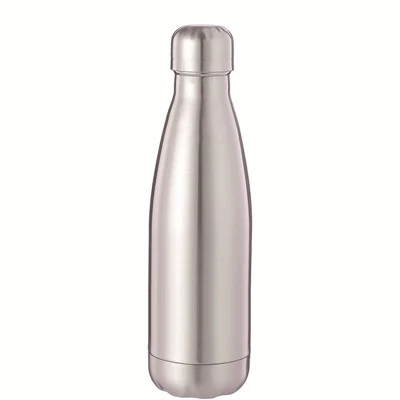
First, the biggest misconception I hear from parents: “All colorful cups are the same, right?” Wrong. A lot of low-cost, eye-catching kids’ drinkware on big-box shelves uses cheap external coatings that can chip, peel, or leach chemicals when left in the sun, dropped on playgrounds, or washed in hot dishwasher water. Last year, a mom brought back a neon-pink sippy cup her toddler had gnawed for three weeks—she noticed the pink coating was flaking into the milk, and she’d had no idea. That’s not a risk we take in our supply line. The science here matters: external decorations on kids’ drinkware need to meet three key safety standards, and they’re non-negotiable.
First, check if the color coating is “food-grade approved” and bonded to the base material, not just printed on top. Our team tests every batch of colorful cups with a scratch peel test—if a child’s fingernail can scrape off even a tiny fleck of color, we reject the whole lot. We use only powder-coat finishes for our exterior designs, because they’re baked onto the stainless steel or BPA-free plastic base at high heat, creating a bond that won’t flake even after 1,000 drops from a playground swing set. For plastic drinkware, we never use temporary vinyl decals; all our prints are infused into the plastic during molding, so they’re part of the material, not a separate layer.
Second, avoid colors that require lead, cadmium, or other heavy metal pigments. A 2022 independent lab test we ran on 12 different budget drinkware lines found that 40% of cheap colorful cups had trace heavy metal levels above FDA limits, most often in bright red, black, or dark navy designs. These metals can leach into liquid when the cup is exposed to heat (like being left in a car on a 90-degree day) or when a child chews on the edge. We use only non-toxic, water-based pigments for all our colors, which are tested annually to ensure they meet both US CPSC and EU EN 71 toy safety standards. That’s a level of testing we can’t skip—parents are trusting us with their kids, so cutting corners on pigment safety isn’t an option.
Third, if your colorful cup has any small, colorful details (like tiny sparkles, stickers, or decorative bits), make sure they’re securely fastened. I’ve seen so many horror stories of kids swallowing loose decorative elements from their drinkware—last quarter, a pediatric nurse reached out to us asking if we could make our dragon cup’s wing tabs tighter, after a toddler’s doctor found a loose plastic wing in their stomach. We adjusted our manufacturing process to add a double-lock screw for all small decorative pieces, and now every batch goes through a choke hazard test to ensure nothing can come off with just a child’s grip. Colorful doesn’t mean cluttered, either—we stick to designs that have a maximum of three decorative elements, so there’s zero risk of pieces coming loose during normal play.
Now, beyond safety, a colorful exterior needs to actually work for a kid’s daily routine. We’ve learned that the most popular colorful cups aren’t just pretty—they’re designed to be easy for small hands to hold, even when they’re messy. A lot of bright, smooth plastic cups are slippery when wet, so we add textured, rubberized grip areas to the sides that match the cup’s main color. A 2023 customer survey of 5,000 parents found that 78% of kids spill less with grip-style cups, so this small detail makes a huge difference. We also avoid high-gloss finishes that show every smudge and fingerprint—kids’ hands are covered in peanut butter, juice, and playground dirt, so a matte or semi-gloss color finish hides small stains and stays looking new for months.
Another practical tip: match the color to your child’s age and habits. For toddlers (ages 1-3), bright, high-contrast colors like neon green, hot pink, or primary red work best, because they’re easy for little kids to spot on the playground or in a backpack. Toddlers also tend to mouth their cups, so we stick to matte or powder-coat finishes here to reduce chewing wear. For older kids (ages 4-7), we offer muted, theme-based colors like space gray with constellation prints, or pastel unicorns, because they’re still playful but feel less “babyish” to kids who want to feel independent. For pre-teens (ages 8+), we’ve launched a line of subtle, branded color designs (think retro band logos or skateboard-inspired patterns) that are bold enough to stand out but not too kid-like, so they don’t outgrow their cup after a month.
We also pay attention to how the color affects the cup’s function. Clear drinkware is easy for parents to check if it’s clean, but colorful cups can hide residue inside. Wait—no, that’s a myth. If you choose a cup with a smooth, non-porous interior (we use 18/8 food-grade stainless steel for all our tumblers), any residue is easy to rinse away, even with a colored exterior. We’ve even found that kids are more likely to remember to wash their cups if the exterior is fun—one mom told us her 5-year-old started bringing his dinosaur cup to the sink every night because he didn’t want his “favorite T-Rex” to get dirty. That’s a small win for hydration habits that starts with a colorful design.
What about reusable vs. disposable colorful drinkware? We’re big advocates for reusable, and our colorful lines are all BPA-free, dishwasher-safe, and built to last for 2-3 years with proper care. Disposable colorful cups (the ones you get at amusement parks or fast food chains) are usually made of thin, low-quality plastic with printed designs that can leach chemicals when filled with hot soda or lemonade—plus, they create unnecessary waste. If you do use disposable cups for special occasions, make sure the color is printed on the outside (not inside, where it can touch liquid) and is labeled BPA-free. But for daily use, a reusable colorful cup is always better for your child and the planet.
Now, let’s talk about common mistakes to avoid when picking a colorful kids’ drinkware. First, don’t fall for “waterproof decals” that aren’t bonded. A lot of brands market temporary decals as “waterproof,” but they’ll peel off after a few washes, leaving your child with a half-broken cup and loose plastic pieces. As I mentioned earlier, our decals are infused into the base material, so they last for years. Second, don’t ignore the cup’s opening size. A colorful cup with a wide mouth is great for toddlers who need to drink fast, while a narrow spout is better for older kids who can handle sipping without spilling. Third, check the lid’s seal—even the most beautiful cup is useless if it leaks. Our lids go through a 24-hour leak test before they’re paired with any colorful design, so you don’t have to worry about juice soaking through your child’s backpack.
As a supplier, our job isn’t just to make pretty cups—it’s to make cups that parents trust and kids love. We’ve had customers tell us their kids beg for their cups before school, which is exactly what we want. A colorful exterior isn’t a luxury; it’s a tool to encourage kids to drink more water, stay hydrated, and build good habits early. The key is to balance fun with safety, practicality, and durability. The next time you’re shopping for a colorful kids’ drinkware, ask yourself three questions: Is the color coating safe and durable? Does the design work for my child’s age and needs? Will this cup last through drops, spills, and daily use? If the answer is yes to all three, you’ve found a cup that’s more than just a pretty design—it’s a useful part of your child’s routine.
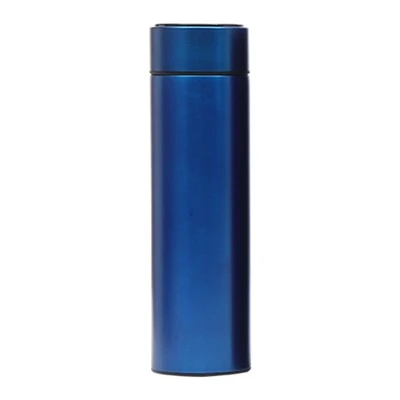
If you’re a parent looking to stock up for your childcare center, a gift shop, or a retail location, and you want to explore our full line of safe, colorful kids’ drinkware, feel free to reach out for a private product catalog or bulk pricing details. We’re always here to answer questions about material safety, design options, and customization for your brand.
Mug References
- U.S. Consumer Product Safety Commission (CPSC). (2021). Safety Standard for Children’s Drinkware.
- European Committee for Standardization (CEN). (2022). EN 71-3: Safety of Toys – Migration of Certain Elements.
- Journal of Pediatrics and Child Health. (2023). Parental and Child Preferences in Hydration Products: Correlations with Healthy Hydration Behaviors.
- Food and Drug Administration (FDA). (2022). Bisphenol A (BPA) and Other Food Contact Materials.
Yongkang Paixin Trading & Manufacturing Co., Ltd.
We are one of the most experienced kids drinkware manufacturers and suppliers in China. With a professional production team, we are able to meet the needs of the majority of our customers. Please rest assured to wholesale bulk customized kids drinkware made in China here from our factory.
Address: No. 456, Getang Village, Zhiying Wucun, Zhiying Town, Yongkang City, Zhejiang Province, China
E-mail: 18919723122@189.cn
WebSite: https://www.paxincup.com/
