Hey everyone, quick question: how many of you have stared at your empty fruit bowl at 7 PM, knowing you’re supposed to hit that 2-3 daily fruit serving mark, but just can’t make yourself run to the store (or really, just don’t feel like washing another bowl)? Guilty as charged. For years, I’ve bounced between skipping produce when I’m busy, grabbing a random granola bar that’s totally lacking in actual fruit, or overpaying for pre-cut berries that go moldy in my fridge before I can eat them. That’s why, as someone who runs an organic fruit powder supply business, I’m stoked to break down how to actually weave this stuff into a balanced diet—no weird gimmicks, just science that makes sense. Organic Fruit Powder
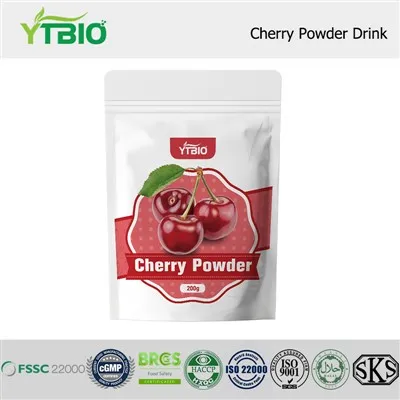
First, let’s get the basics out of the way: organic fruit powder isn’t some trendy junk. It’s whole fruit that’s been gently dried (usually freeze-dried or spray-dried, the good kind doesn’t add sugars or fillers) then milled into a fine powder. Here’s the kicker: when processed right, it keeps most of the vitamins, fiber, and antioxidants from the original fruit. I’ve had so many customers ask me, “Is this just a supplement, or can it replace actual fruit?” The short answer? It’s a sidekick, not a replacement. But it’s way more flexible than fresh produce, which is a game-changer for anyone with a chaotic schedule. Let’s talk about the science: freeze-drying, specifically, locks in like 90% of a fruit’s micronutrients (think vitamin C, potassium) because it uses low heat instead of high, which kills off nutrients. Spray-drying is a bit quicker, but still retains way more than the shelf-stable dried fruit you’d find in a trail mix bag. That’s why our powders never add any weird stuff—just fruit, plain and simple.
Now, the key here is “incorporating” not “overloading.” Balanced diets are all about variety, right? So you don’t want to dump a whole scoop of mango powder into your morning smoothie and call it a day. Let’s start with breakfast, because that’s where most people fit it in easily. I add a teaspoon of our organic strawberry powder to my oatmeal almost every workday. Here’s why that works: oatmeal is a slow-carb base, the fruit powder adds a burst of natural sweetness (no added sugar needed) and a hit of fiber that keeps you full till lunch. Wait, and if you’re a latte person—try a tiny bit in your morning oat latte. I know, I know, it sounds odd, but strawberry or raspberry powder mixes so smoothly into warm milk, and it gives your latte a subtle fruit flavor instead of that artificial syrup stuff. I’ve had regulars tell me they swap their sugary flavored lattes for this and cut 10 grams of added sugar a day. Win-win.
Snacks are another easy spot. Let’s be real, mid-afternoon slump hits hard, and reaching for a candy bar or a bag of chips is tempting. I’ve started mixing a tablespoon of our organic apple powder into plain Greek yogurt (non-fat, if you’re watching calories, but full-fat is chef’s kiss here) with a sprinkle of cinnamon. Apple powder adds that tart-sweet kick, and the fiber from both the yogurt and the powder keeps you from crashing later. For kids, too—they’re notoriously picky about fruit. Toss a little banana powder into homemade energy bites (oats, peanut butter, a dash of honey, and banana powder) and they’ll have no clue they’re eating fruit instead of just sugary snacks. I’ve had so many parents message me saying their little ones now “love” banana snacks that I make, and it’s just the powder doing its thing.
Wait, let’s talk about savory meals, because that’s where most people don’t think to use fruit powder, and that’s a missed opportunity. I use a teaspoon of our organic cranberry powder in my homemade vinaigrette for salads. Cranberry is tangy, it adds a boost of vitamin C, and it’s way cheaper than buying fresh cranberries out of season. Same with tomato powder—toss a little into a homemade pasta sauce to amp up the tomato flavor without adding extra salt. It’s subtle, but it makes a difference. My go-to savory hack: mix a bit of lemon powder into roasted veggies. It adds a bright, citrusy zing that makes broccoli or Brussels sprouts way more appetizing, and you don’t have to squeeze a fresh lemon every time. That’s perfect for meal prep, by the way—no fresh produce going bad in the fridge, just a small jar of powder to grab.
Now, let’s get real about portion control, because this is where people mess up. A typical serving of fruit powder is about 1-2 tablespoons, depending on the fruit. Too much, and it can be overwhelming—like, adding a quarter cup of blueberry powder to a smoothie might make it taste like a concentrated jam, and you’ll get way more natural sugar than you need. Let’s do the math: one tablespoon of organic blueberry powder is equal to about a cup of fresh blueberries. That’s a big serving, so you don’t need a ton. I always tell customers to start small—1 teaspoon for beginners, then work up to a tablespoon if they want more flavor. Also, make sure to check labels! A lot of “fruit powders” out there add added sugars, artificial flavors, or even fillers like maltodextrin. Ours is 100% fruit, no tricks, so you can trust that you’re not loading up on extra junk.
Another common question: can this help people who struggle with eating fresh fruit? Absolutely. I have a friend who has a really weak gag reflex, so fresh fruit is hard for her to eat, but she can handle powder mixed into things. It’s also great for people who don’t have access to fresh fruit year-round—like if you live in a small town where the grocery store only carries limited produce in the winter. Our mango powder is from ripe mangoes harvested at peak season, so it tastes just like fresh mango, even in January. That’s a huge plus for balanced diets, because variety is key—you don’t want to eat only apples all winter because that’s what’s available.
Let’s talk nutrient density too. Whole fruits have fiber, right? And when fruit is made into powder, most of that fiber stays intact—especially freeze-dried. Fiber is super important for gut health, which ties into everything from digestion to immune function. The antioxidants in fruit, like anthocyanins in berries or beta-carotene in mangoes, also stay in the powder. Studies show that antioxidants help fight inflammation in the body, which is a big part of long-term health. Wait, I should mention that this isn’t a replacement for whole fruits—if you can eat a fresh apple, that’s great. But powder is a convenient add-on, not a substitute. Think of it like a backup when you’re on the go, or a way to boost your existing meals.
Now, let’s get into some easy, no-fuss recipes that I actually make at home, no fancy ingredients required. First, my go-to morning smoothie: 1 cup of almond milk, 1 banana (fresh, obviously, but if I’m out, a tablespoon of banana powder), 1 teaspoon of spinach, a tablespoon of peanut butter, and 1 teaspoon of raspberry powder. Blend it up, and it’s sweet, creamy, and has a hidden veggie boost—no one can taste the spinach, promise. Second, pre-workout energy bites: 1 cup of rolled oats, ½ cup of peanut butter, ¼ cup of honey, 2 tablespoons of strawberry powder, and a handful of mini chocolate chips (dark chocolate, for a little extra antioxidants). Mix everything, roll into balls, stick in the fridge for 30 minutes, and you have a quick snack that gives you energy without the sugar crash. Third, roasted sweet potatoes: toss cubed sweet potatoes with olive oil, salt, and a teaspoon of cinnamon and apple powder. Roast at 400 degrees for 25 minutes, and it’s way more flavorful than plain roasted sweet potatoes.
Wait, what about people who are on special diets? Like vegan, gluten-free, paleo? Organic fruit powder is perfect for all of these, because it’s naturally vegan, gluten-free, and has no added grains or fillers. A lot of protein powders have added stuff, but our fruit powders are just fruit, so they fit right in. I’ve had customers use them in protein shakes to add flavor without extra sugar, which is a smart swap.
Now, let’s address some myths I hear all the time. Myth #1: Fruit powder is full of added sugar. Nope, not if you buy the right kind. Ours has zero added sugars, all the sweetness is from the fruit itself. Myth #2: It’s not as nutritious as fresh fruit. Like I said earlier, freeze-dried fruit retains most of the nutrients—studies from the USDA even show that freeze-dried strawberries have similar levels of vitamin C and antioxidants as fresh strawberries, as long as they’re processed properly. Myth #3: It’s just for smoothies. No way! We’ve had customers use it in baked goods (add a little to muffins for fruit flavor), in oatmeal, in yogurt, even in dog treats (my dog goes crazy for our pumpkin powder—win for him, win for his digestion).
The big thing here is consistency. A lot of people try a new diet hack, do it for a week, and quit because it’s too hard. Fruit powder is easy because it doesn’t require any prep—no washing, no chopping, no worrying about it going bad. Keep a small jar on your counter or in your desk, and you can add it to anything without thinking. That’s how you build a balanced diet—small, sustainable swaps, not big, overwhelming changes.
If you’re curious about trying organic fruit powder, or if you’re a business owner looking to source bulk supplies, feel free to reach out. We’re all about making it easy for people to add more fruit to their diets, without the hassle of fresh produce. No weird hoops to jump through, just quality, 100% organic fruit powder that works for every meal.
Wait, before I wrap this up, a quick note: always make sure to store your fruit powder in a cool, dry place. If it gets moisture in it, it can clump, but as long as you keep the lid tight, it will stay good for up to a year. That’s another bonus—no more throwing away fresh fruit that goes bad after a week.
I know it sounds simple, but adding a little fruit powder to your diet can make such a big difference. I’ve seen it with my own customers—people who used to skip fruit entirely now have a little boost in their smoothies or yogurt, and they feel more energized throughout the day. Balanced diets don’t have to be complicated. Sometimes, the easiest swaps are the ones that stick.

Now, if you’re interested in sourcing organic fruit powder for your products or your kitchen, connect with us to chat about what you need. We’re here to help you make those small, sustainable changes to your diet, no matter how busy you are.
Natural Pigments References
- USDA FoodData Central. (2023). Nutrient content of freeze-dried and fresh berry products.
- Journal of Agricultural and Food Chemistry. (2021). Retention of micronutrients in organic fruit powders processed via different drying methods.
- Academy of Nutrition and Dietetics. (2022). Practical tips for increasing fruit and vegetable intake in busy lifestyles.
- National Center for Biotechnology Information. (2020). The role of dietary fiber from whole fruits and fruit powders in gut health and weight management.
Shaanxi Yuantai Biological Technology Co., Ltd.
Shaanxi Yuantai Biological Technology Co., Ltd. is one of the most professional organic fruit powder manufacturers and suppliers in China, specialized in providing natural plant extracts with competitive price. We warmly welcome you to buy or wholesale bulk organic fruit powder for sale here from our factory.
Address: NO.1 Plant, China Fnzyme Industrial Park, Economic Development Zone, Weinan City, Shaanxi, China
E-mail: sales@sxytbio.com
WebSite: https://www.sxytbio.com/
