If you’re in the industrial water treatment or process filtration game, you’ve definitely heard of spiral ultrafiltration (UF) membranes. They’re the workhorses for everything from municipal wastewater recycling to pharmaceutical process water, and if you’ve ever priced them, you’ve probably wondered: can I reuse these things? Because let’s be real—new membrane elements aren’t cheap, and replacing them every few months can blow a hole in your operating budget. As a membrane supplier who’s fielded this exact question a hundred times a week, I’m here to break it down straight, no confusing jargon, and tell you what actually matters when it comes to reusing spiral UF membranes. Spiral Ultrafiltration Membrane

First, let’s cut through the hype. Reusing a spiral UF membrane isn’t a one-size-fits-all yes or no. It depends entirely on three things: how you used it, how you maintained it between runs, and what type of fouling it picked up. Let’s start with the basics: a spiral UF membrane works by pushing water through a semipermeable membrane layer wrapped around a central permeate tube, all sealed in a plastic or fiberglass casing. The tiny pores (usually 0.01 to 0.1 microns) catch contaminants like bacteria, colloids, and even some proteins, letting clean water pass through. But over time, those pores get clogged, which drops your flow rate and pushes up pressure—tell-tale signs your membrane’s fouled.
Fouling is the big villain here, and not all fouling is equal. Let’s split it into two types: reversible and irreversible. Reversible fouling is the stuff you can wash right off with a good clean, and that’s the stuff that makes reuse possible. Irreversible fouling? That’s the permanent gunk baked into the membrane pores, and that’s when you’re better off recycling the membrane materials (or ditching them entirely, honestly). Common reversible fouling comes from things like suspended solids, oil droplets, or loosely attached proteins. If you’re using your UF to filter raw well water, for example, most of the gunk clinging to the membrane is just settleable silt—run a low-pH or enzymatic cleaning solution through it, and that silt washes right out. I’ve seen customers run the same UF element for 2-3 cycles of raw water filtration, each time cleaning it with a 1-hour soak in warm citric acid, and get nearly 90% of their original flow rate back.
Then there’s irreversible fouling, and this is where a lot of new operators go wrong. If you’re running your UF on wastewater with high levels of heavy metals, persistent organic compounds, or biofouling that’s grown thick enough to eat through the membrane’s polymer layer, that’s not reversible. Biofouling is a big one—if you leave a membrane full of stagnant, bacteria-rich water between uses, the colonies will grow into a sticky biofilm that seeps into the membrane’s pores. Even high-strength cleaning chemicals can’t get that off after a week of stagnation. I once had a customer who swore his membrane was reusable, only to pull it out and see black, slimy biofilm growing on the feed spacer—no amount of sodium hypochlorite could strip that off, and he ended up having to replace it anyway. Another big no-no for reuse: scaling. If you’re filtering hard water with high calcium or magnesium, those minerals will precipitate into hard, crystal-like scale that’s fused to the membrane surface. Scaling only responds to strong acid washes, and if it’s been there long enough, it’ll etch the membrane’s pores permanently, making it too porous to use safely.
Now, before you go trying to reuse every membrane you pull out, let’s talk about the practical limits. Spiral UF elements are designed for single-use in most commercial setups, right? Wait, no—actually, a lot of industrial facilities reuse them, but only with strict protocols. The key is to have a clear plan for when to take a membrane out of service and clean it, not just wait until the pressure gets too high. For example, if you’re operating your UF at a constant 150 psi, and it jumps to 200 psi, that’s your cue to clean it, not keep running it. If you wait until it hits 250 psi, the fouling’s already gone past the point where you can get full flow back. Also, how you clean matters. A lot of new operators use the same cleaning solution every time, but different fouling needs different chemicals. Silt and scale need citric acid or hydrochloric acid. Oil and grease need a non-ionic detergent. Biofouling needs a low-concentration sodium hypochlorite (usually 500-1000 ppm, don’t go higher—that can damage the membrane’s polymer layer) or an enzymatic cleaner. I always tell customers: test a small patch of fouled membrane first with a tiny amount of cleaning solution, before you soak the whole element. If the fouling doesn’t lift in 15 minutes, don’t waste your time on it—this membrane’s not reusable.
Another thing most people don’t consider: the membrane’s structural integrity. Spiral UF elements aren’t just the thin membrane sheet—there’s a feed spacer that keeps the channels open, a central permeate tube, and an outer casing. Over time, especially if you’re cycling pressure up and down repeatedly, the feed spacer can degrade, or the membrane layers can delaminate. If you pull a membrane out and the permeate tube is cracked, or the spacer is crumbling, it doesn’t matter if the surface is clean—water will leak through the gaps, and you’ll get contaminated product. That’s a quick check you should do every time you pull a membrane: run your hand along the edges, look for any tears or delamination, and test the pressure rating with a quick pressurization test to make sure it holds.
Wait, but what about low-pressure UF, used in residential or small commercial systems? Can those be reused too? I get a lot of questions from small business owners who use UF for point-of-use water, or even homebrewers filtering their own beer. The short answer: yeah, but not as often. Residential UF elements are smaller, cheaper, and usually not built for repeated cleaning. I’ve seen a homebrewer clean his UF after every batch with a gentle alkaline wash, and reuse it 8-10 times, but after that, the pores start to wear out, and he gets a little bit of haze in his final product. For residential systems, it’s usually more cost-effective to just replace the element every 6-12 months, but if you’re doing small-scale filtration, reuse is totally doable with careful cleaning.
Now, let’s talk about the risks of reusing a membrane improperly. A lot of people think “if it looks clean, it is clean,” but that’s not true. Microscopic fouling that’s too small to see can still make its way into your product water, which is a huge problem if you’re filtering water for drinking, pharmaceuticals, or food and beverage. I had a pharmaceutical customer a couple years ago who tried to reuse a UF membrane for process water, ended up with trace amounts of protein fouling that passed through the pores, and had to throw out a $50k batch of product. That’s way more expensive than just replacing the membrane upfront. Another risk: if you clean a membrane with too strong a chemical, you can degrade the membrane’s surface, making it more prone to fouling in future uses. Stick to the manufacturer’s cleaning guidelines—we always provide a recommended cleaning protocol with every membrane we sell, and it’s there for a reason.
So, putting it all together: is a spiral ultrafiltration membrane reusable? Yes, but only if you check all the boxes. First, identify what type of fouling it has—reversible fouling (silt, oil, loose proteins) is your friend, irreversible fouling (biofilm, scale, heavy metals) is not. Second, have a consistent cleaning routine, tailored to the fouling type, and don’t let fouling get too bad before cleaning. Third, inspect the membrane’s structural integrity before trying to reuse it—no cracks, no delamination, intact feed spacer. Fourth, if you’re using it for sensitive applications (drinking water, pharma), do a quick integrity test after cleaning to make sure the pores are still the right size and no fouling is trapped. And finally, know when to walk away: if a membrane doesn’t pass any of these checks, it’s time for a new one, not a risky reuse.
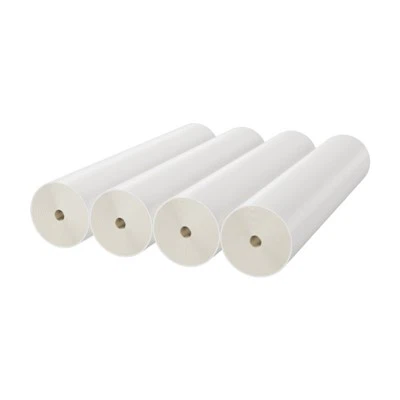
Now, if you’re unsure about your specific setup, or you’ve got a membrane that’s fouled and you want to know if it’s worth reconditioning, hit us up. We’re not just suppliers—we’ve got a team of filtration specialists who can help you diagnose fouling, build a cleaning protocol, or even test used membranes to see if they’re safe for reuse. Whether you’re running a municipal water plant, a small brewery, or a chemical processing facility, we can give you straight, no-BS advice on what’s worth reusing and what’s better to replace. Don’t waste money on unnecessary membrane replacements, but don’t risk your product or operations with a shoddily reused element—let’s work out the best plan for you.
Hollow Fiber Ultrafiltration Membrane References
- Membrane Filtration Principles and Applications, M. Mulder, 2018
- Fouling Control in Spiral Ultrafiltration Systems, Journal of Membrane Science, Vol. 562, 2018
- Industrial Membrane Maintenance and Reuse Guidelines, Water Environment Federation, 2020
- Ultrafiltration Membrane Cleaning Protocols, American Water Works Association, 2019
Hangzhou Nanoimp Environmental Technology Co., Ltd.
With abundant experience, we are one of the most professional spiral ultrafiltration membrane manufacturers and suppliers in China. Welcome to wholesale high quality spiral ultrafiltration membrane in stock here and get pricelist from our factory. We also accept customized orders.
Address: Road 25, Baiyang Street, Qiantang District, Hangzhou City, Zhejiang Province
E-mail: keith.wang@nano-sepmer.com
WebSite: https://www.nanoimp-membrane.com/
