Hey guys, let’s cut to the chase – if you’ve ever wondered how the nuts and bolts that hold everything from furniture to cars together get made, I’ve got you. I’m part of a nut making machine supplier, and over the years, I’ve had so many clients ask me, “Wait, how does that machine actually turn a plain metal rod into a finished nut without messing it up?” It’s not just some random metal bender, trust me. There’s a method to the madness, and it’s way cooler than you might think. Nut Making Machine
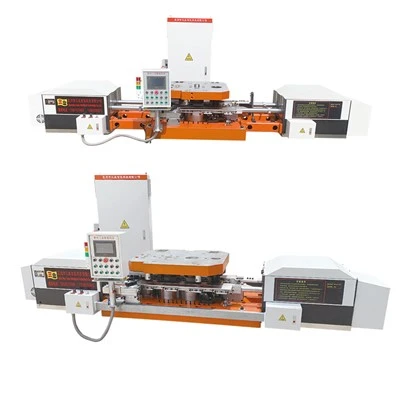
First off, let’s start with what a nut is, right? It’s a threaded fastener with a hollow hole that screws onto a bolt to hold two things tight. But before it’s a threaded fastener, it’s a piece of metal – usually carbon steel, stainless steel, brass, even aluminum for specific uses. A nut making machine takes that raw metal and turns it into a finished part in like, a matter of seconds. I’ve seen these machines crank out a nut every 2 seconds sometimes – that’s insane when you think about how precise each one has to be.
Let’s break down the working step by step, no jargon I don’t actually use when talking to clients. First step: feeding the raw material. We don’t just dump a rod in there, that’d be a mess. Most of our machines use straight, cold steel rods (that’s why it’s called cold forming, by the way – we don’t heat the metal, which makes the nut way stronger than if we cut or machined it). The rod gets fed into a machine that cuts it into tiny, uniform “blanks” – little metal discs or squares, depending on the nut type. We make sure each blank is exactly the right size so there’s no waste, which is a big deal for manufacturers trying to keep costs down. I remember one small shop I worked with was wasting 15% of their metal on old machines, then they switched to ours and cut waste to 3% – that’s a game-changer for their bottom line.
Next up: the first forming stage, which is called upsetting. Wait, no, not the kind of upsetting where you’re mad – it’s a metalworking term. The blank gets pushed into a die (that’s just a fancy word for a shaped block of strong metal) and the machine hits it with a ton of force. What happens here? The metal bulges out into the shape of the nut – usually a hexagon, because hex nuts are the most common, they’re easy to grip with a wrench. This first step creates the rough outer shape of the nut, and it also makes the metal denser. Here’s why that’s important: when you form metal cold like this, you don’t have the weak spots you get from welding or machining. A nut made this way is way less likely to break under pressure. I’ve had clients come back to us because their old machined nuts were failing on construction sites, and our cold-formed nuts lasted twice as long. That’s the real value here.
Wait, some people ask, do all nuts get upset twice? Yeah, sometimes. The first upset makes a rough shape, the second (called the “finishing upset”) trims it up, makes the sides nice and straight, and creates the basic hole in the middle. Wait, no – actually, the hole comes later? No, wait, let me get that right. Some machines punch a hole during upsetting, but for thicker nuts or nuts with specific threads, we punch the hole after the rough shape is formed. The punching step uses a sharp tool to punch a clean hole through the middle of the nut blank. If the hole is off-center, the nut won’t screw onto the right, so the machines we supply have sensors that check the hole and reject any that are even a tiny bit off. We can’t have a nut that’s lopsided, that’s a safety hazard.
Okay, so now we have a shaped metal piece with a hole – but it’s not a nut yet, because there’s no threads inside. That’s the next big step: threading. There are two main ways we do this, depending on the machine and the nut type. One is thread rolling, which is super common. Thread rolling uses two dies that have the exact thread pattern you want (like standard 1/4-20 or whatever) and they roll the nut back and forth, pressing the threads into the inner hole. This is another reason cold forming rules – the threads are stronger because you’re not cutting into the metal, you’re shaping it. Cutting threads would leave tiny gaps in the metal, which can be where it breaks. Threaded rolled nuts hold up way better under vibration, which is why they’re used in cars and trucks that shake a lot.
The other threading method is tapping, which is when a tool with the thread pattern cuts into the inner hole. Tapping is good for smaller runs or more custom nuts, but thread rolling is way faster for mass production. Our machines can do either, depending on what the client needs – we don’t do one-size-fits-all here, that’s for sure.
Once the threads are done, the nuts go through a finishing process. This is stuff like washing off the metal shavings, coating them to prevent rust (zinc plating is super common, but we also offer black oxide, stainless steel coatings, even passivation for food industry nuts), and sometimes checking the size with gauges. We also have visual inspection systems now that use cameras to spot any defects – like a weirdly shaped nut or threads that are messed up – so those get sorted out automatically. No more human error here, which is huge for consistency.
Wait, let’s talk about what makes a good nut making machine vs a cheap one. A lot of cheap machines you find online skip the precision parts, so they break a lot, produce bad nuts, and waste metal. The machines we supply use high-grade tools, have servo motors that control every step so there’s no variation, and safety features that keep workers from getting hurt. I’ve had a client who bought a used machine for half the price of ours, but it broke down every other week, cost them more in repairs than the original machine, and they had to throw away 10% of their nuts because they were defective. Now they use our machine and their defect rate is under 0.5%. That’s the difference – it’s not just about making nuts, it’s about making good nuts, and doing it efficiently.
Another thing people don’t realize: nut making machines are customized for different nut sizes. A machine that makes 1/4-inch hex nuts can’t make 1-inch heavy-duty nuts, so we build machines tailored to what a client is producing. Whether you’re a small shop making nuts for DIY hardware or a big factory supplying the auto industry, we can set you up with a machine that fits your needs. We also offer training, because we know if you don’t know how to run the machine, it’s useless. Our team will come out to your facility, show your workers how to load blanks, change dies for different nut sizes, troubleshoot common issues – we’re not just a supplier, we’re a partner.
Wait, let’s clear up a common myth: some people think nuts are made from melted metal poured into a mold. No, that’s casting, and casting is for things like engine blocks, not nuts. Cast nuts are weaker because the metal has air bubbles in it, which cause them to break. Cold forming (which is what our machines use) is the industry standard for high-quality nuts, and that’s the process we design our machines around. That’s why our nuts are trusted by so many big brands – no weak links, no defects.
What about maintenance? A lot of new operators are scared of machines, but nut making machines are actually pretty low-maintenance if you take care of them. You just need to lubricate the moving parts regularly, check the dies for wear (we sell replacement dies cheap, so you don’t have to buy a whole new machine), and keep the machine clean. We send a maintenance schedule with every machine, and our support team is just a call or a text away if you have a problem. We don’t make you wait days for help – we get you back up and running fast.
Let me give you an example of how this works in real life. Last year, a client was making nuts for a furniture company, and their old machine was making 500 nuts an hour, with a 2% defect rate. They upgraded to one of our mid-sized nut making machines, and now they make 800 nuts an hour, defect rate under 0.3%, and they saved 12% on metal because our cutting process is way more precise. They told us that investment paid for itself in 6 months. That’s the kind of result we care about, not just selling a machine and disappearing.
So why does all this matter? Nuts are everywhere – in your car, your desk chair, your fridge, your phone. If a nut fails, that’s a big problem. Think about a car’s wheel nuts – if one of those fails, the wheel could come off. That’s why the working principle of a nut making machine isn’t just “make metal into a nut” – it’s about creating a part that’s safe, reliable, and consistent. Our machines are built to do that over and over, no matter how long you run them.
If you’re in the market for a nut making machine, whether you’re starting a new business or upgrading your current setup, don’t go for the cheapest option. You get what you pay for, and in this industry, cheap machines end up costing you more in the long run. We can talk through what you need – what size nuts you’re making, how many you need per hour, what your budget is – and point you to the right machine for your operation. We don’t pressure you into buying something you don’t need, either. If a small, entry-level machine is all you need, we’ll tell you that, instead of trying to upsell you.
So if you have questions, want to see a demo of how the machines work in action, or just want to chat through your needs, reach out. We’re here to help you get the right machine for your business, so you can make high-quality nuts that keep your customers happy and your operations running smoothly. Don’t settle for a machine that breaks or makes bad parts – let’s work together to find the perfect nut making machine for you.
Nut Making Machine References:
- Degarmo, E. P., Black, J. T., & Kohser, R. A. (2011). Materials and Processes in Manufacturing (11th ed.). John Wiley & Sons.
- NATO Standardization Agency. (2018). Technical Specification for Cold-Formed Hexagonal Nuts.
- The Fabricator. (2022). “Cold Forming vs. Machining: Strength Comparisons for Fasteners.” Modern Machine Shop.
- Society of Manufacturing Engineers. (2020). Guide to Fastener Manufacturing Processes.
Quanzhou Sanye Intelligent Technology Co., Ltd.
As one of the most professional nut making machine manufacturers and suppliers in China, we have world-leading production equipment and strong manufacturing capabilities. Please rest assured to buy customized nut making machine made in China here from our factory. Welcome to contact us for quotation.
Address: Anhai Town, Jinjiang City, Fujian Province, China
E-mail: jack_tmm@163.com
WebSite: https://www.qzsymanipulator.com/
