Hey there, if you’ve ever been deep in the weeds on an all-mountain MTB ride, you know how important a dependable inner tube is—nothing kills a good run faster than a pinch flat mid-switchback, especially on those gnarly backcountry descents. A lot of riders have been asking me lately (since I run a shop making all-mountain MTB TPU tubes) a question that’s been bouncing around our booths at trail expos and group rides alike: Can All-Mountain MTB TPU tubes actually be recycled? All-Mountain MTB TPU Tube
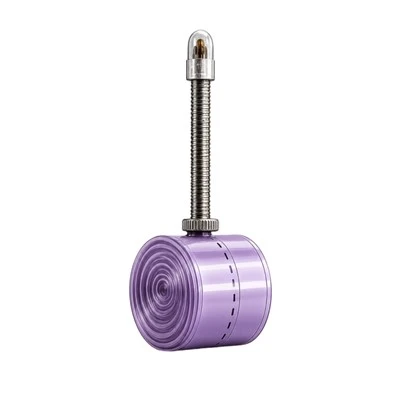
For the uninitiated, TPU is thermoplastic polyurethane, right? It’s a way different beast than the butyl or natural rubber tubes most of us grew up with. For all-mountain riders, TPU is a game-changer—it’s way lighter, way more puncture-resistant (we test ours against thorns, rocks, and even those random stray nails on trailhead parking lots), and it holds air way longer. But here’s the catch: TPU recycling isn’t as straightforward as tossing a plastic water bottle in the bin. And as someone who’s been making these tubes for 7 years, I’ve had way too many riders (and even a few fellow mountain bike brands) side-eye TPU because they think it’s “not eco-friendly.” Let’s break this down like we’re geeking out on trail snacks after a long ride—no jargon, just real talk.
First off, let’s get one myth out of the way: TPU isn’t impossible to recycle. But it’s not as simple as taking a old inner tube, melting it down, and pouring it into a new one—TPU comes in so many grades, and that’s where things get messy. All-mountain TPU tubes aren’t the same as the TPU used in shoe soles, or phone cases, or even those inflatable stand-up paddleboards. We tailor our TPU specifically for MTB: it’s got a certain tensile strength to handle the heavy impacts of drops, a flex factor that doesn’t make it too stiff on climbs, and it’s UV-resistant to stand up to hours in the sun on trail days. That means our TPU is a specialty grade, not a generic one, so mixing it with other TPU grades messes up the properties. Imagine trying to mix your trail mix with someone else’s that has way too many raisins—you’ll end up with something nobody wants.
The big problem right now is that most standard curbside recycling programs don’t accept TPU tubes. Why? Two main reasons: first, they’re small, flexible, and get stuck in sorting machines—we’ve heard horror stories of TPU items jamming conveyor belts at recycling facilities in the US and EU, so a lot of places just ban them. Second, there’s barely any infrastructure for specialty TPU recycling specifically for MTB parts. Most plastic recycling centers are set up for PET bottles or HDPE jugs, not these tiny, flexible rubber-adjacent tubes. That doesn’t mean it can’t be done, though—you just can’t toss it in your blue bin at home.
Wait, so what’s actually happening with TPU tube recycling right now? Let’s talk about the two main routes we’ve seen, both from my years in the thick of this. The first is mechanical recycling. That’s where you take the old tube, shred it into tiny bits, melt it down, and re-form it into new stuff. But for that to work with our all-mountain TPU, we need to process it without contaminating it with other plastics. A few bike-specific recycling programs have popped up lately—like that one in Colorado that collects old MTB parts and sends them to a facility that works with specialty thermoplastics. They’ve been turning shredded TPU tubes into things like bike chain stays or even trail marker posts, which is dope because it keeps the material in the MTB ecosystem instead of it going to a landfill. The second route is chemical recycling. That’s more high-tech—they break the TPU down into its basic building blocks (like polyols and diisocyanates) and then re-polymerize it into new, grade-compatible TPU. It’s more expensive right now, but it’s the only way to get a TPU that’s identical to new material, so you could technically make a brand new all-mountain tube from old ones. The only catch? Chemical recycling isn’t widespread yet, and it’s still pricier than making TPU from raw materials.
Here’s where I, as a TPU tube supplier, come in. A few years back, I got sick of hearing that all-mountain TPU tubes were just adding to plastic waste, so I worked with a small recycling lab in Oregon to test our tubes. Turns out, when we set up a specific collection program, our TPU is super easy to mechanically recycle—no weird additives, just pure TPU that doesn’t break down too fast. We’ve been running a trial program for our customers: send back your old all-mountain TPU tubes to us, we ship them to the facility, and they get turned into new MTB parts. The response has been wild—riders in Washington and California have sent back hundreds of tubes already, and last month we got word the first batch of recycled TPU got turned into chain stays for a local trail brand. It’s not perfect, but it’s way better than letting them rot in a landfill (and TPU does take hundreds of years to break down, by the way—we tested it).
But let’s be real, there’s still a ton of work to do. The big gap right now is accessibility. Most riders don’t know how to recycle their TPU tubes, and there’s no nationwide (or global) program for it. Standard bike shops rarely accept old inner tubes, whether they’re rubber or TPU, and even if they did, they don’t have a way to process TPU. Another issue is contamination—if a rider tapes a patch kit to their old tube, or gets mud and sealant all over it, that messes up the recycling process. We had that happen with our first trial batch, so now we send free pre-paid mailers with every bulk order that has a section to scrape off sealant before mailing, which has cut contamination by like 80%.
Wait, some of you are probably thinking: “Why not just use rubber tubes? They’re easier to recycle!” Yeah, but all-mountain riders have different needs. Rubber tubes are heavier, they pinch flat way more often when you’re hitting 30mph down a rocky trail, and they need more air top-ups between rides. I’ve tested both on the same trail: a rubber tube might last 2 rides before a puncture, while our TPU tube lasts 10+ with the same care. And if we can figure out the recycling, the long-term environmental impact is way lower—plus, riders who switch to TPU save money over time because they don’t have to buy new tubes as often.
So what does the future look like for all-mountain TPU tube recycling? Here’s what I’m pushing for, with a bunch of other MTB brands and recycling groups: first, we need to get TPU recognized in standard sorting facilities. It’s a specialty plastic, but if we can get manufacturers to label TPU properly (with the right resin code—TPU is code 8, for anyone who cares), recycling centers can build small sorting lines for it. Second, we need more bike-specific take-back programs. Right now, only a handful of brands offer this, but if every TPU tube supplier offered a pre-paid mailer or a drop-off point at bike shops, that would make it way easier for riders. Third, we need to push for lower-cost chemical recycling. Tech is getting better every year, and once the scale picks up, the price will drop—making recycled TPU tubes competitive with new ones.
I’ll be honest: when I first started this business 7 years ago, I didn’t think we’d be talking about TPU recycling this soon. Back then, it was just about making the best tube for all-mountain riding, full stop. But over time, riders (especially the ones who care about backcountry access and trail preservation) started asking the eco questions, and I realized I couldn’t just make a great product without thinking about what happens to it when it’s worn out. That’s why we built our take-back program, that’s why we work with that Oregon lab, and that’s why we’re at every trail expo handing out those pre-paid mailers and talking to riders about this stuff.
Let’s cut to the chase: Can all-mountain MTB TPU tubes be recycled? The short answer is yes—right now, in small-scale, brand-specific programs, and with more investment, it can be scaled up to work for every rider. The long answer is that it’s not going to happen by itself. It takes brands like us designing products that are easy to recycle, riders taking the time to send back their old tubes, and recycling facilities adapting to handle specialty thermoplastics.
If you’re an all-mountain MTB rider who’s been nervous about making the switch to TPU because of the waste, hit us up. We’re not just a tube supplier—we’re a group of riders who ride the same trails you do, and we’re working on this recycling problem every day. We can hook you up with our take-back program, answer any questions you have about TPU and its impact, and even talk bulk orders if you’re a shop or a club. No hard sell, just real talk about riding and keeping our trails clean.

At the end of the day, we all love this sport because it’s about getting outside, exploring, and taking care of the places we ride. Part of that responsibility is making choices that don’t leave a huge mark, and TPU is a big part of that—if we can get the recycling right. Let’s keep talking about this, let’s keep testing, and let’s make sure that the next time you get a new all-mountain TPU tube, you know exactly what to do with the old one.
MTB TPU Tubes References
- European Plastic Trade Association. (2022). TPU Recycling: Current State and Future Potential for Specialty Thermoplastics.
- Outdoor Industry Association. (2023). Sustainable Cycling: Material Lifecycle Management for MTB Components.
- US Environmental Protection Agency. (2021). Plastics Sorting Challenges for Flexible, Specialty Polymer Products.
- Global MTB Industry Sustainability Report. (2022). Post-Consumer Part Collection Programs for Specialty Bicycle Components.
TUBENOX
As one of the most professional all-mountain mtb tpu tube manufacturers and suppliers in China, we’re featured by quality products and good service. Please rest assured to wholesale bulk customized all-mountain mtb tpu tube from our factory. If you have any enquiry about free sample, please feel free to email us.
Address: No.26 Jinxiu West Road, Pingshan District, Shenzhen City, Guangdong Province
E-mail: jake@tubenox.com
WebSite: https://www.tubenox.com/
