If you’ve scrolled through weight loss forums, Instagram fitness accounts, or even your doctor’s waiting room lately, you’ve probably seen the buzz about weight loss peptides. As someone who runs a small, reputable weight loss peptide supply business here in the U.S., I get at least a dozen emails a week from people asking the same core question: Are these things even legal? It’s a fair ask—peptides sound like something out of a sci-fi movie, so it’s easy to feel confused about where they stand with federal regulators, especially when marketing materials claim game-changing fat loss results. I’m not here to sell you a quick fix, but I can walk you through what the law actually says, how we operate as a supplier, and what you need to know before considering these products for your weight loss journey. Weight Loss Peptide
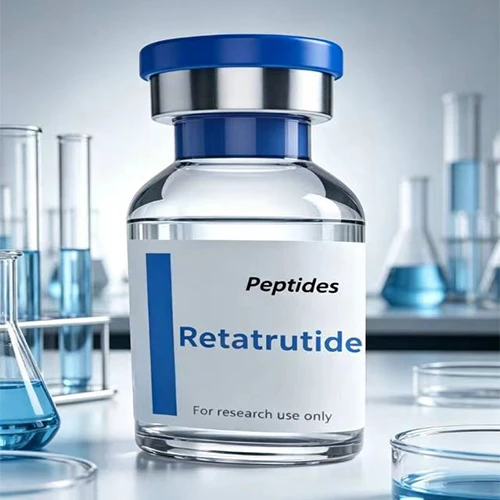
First, let’s cut through the hype and define what we’re actually talking about here. Weight loss peptides are short chains of amino acids that act as signaling molecules in the body. Some common ones you’ll hear about in this space include semaglutide (better known as the active ingredient in Ozempic and Wegovy), tirzepatide (Mounjaro), glutathione, and BPC-157, each with different mechanisms to support metabolism, reduce appetite, or aid in fat oxidation. Unlike synthetic weight loss drugs, peptides are naturally occurring in the human body, but synthetic versions are manufactured to be more potent for targeted uses. That natural origin is a big part of what muddles the legal line, especially in the U.S. regulatory framework.
The primary body that regulates all pharmaceuticals, supplements, and biological products here is the Food and Drug Administration (FDA). To understand the legal status of weight loss peptides, you have to break them into two distinct categories: prescription peptides and over-the-counter (OTC) or research-use-only (RUO) peptides. That split is not arbitrary—it’s the backbone of how the FDA decides what’s allowed to be sold, marketed, and used in the U.S.
Prescription weight loss peptides, specifically the GLP-1 agonists like semaglutide and tirzepatide, are classified as prescription drugs. That means they can only be legally obtained with a valid prescription from a licensed healthcare provider. The FDA has approved semaglutide (Wegovy) and tirzepatide (Zepbound, the newer weight loss-specific formulation of Mounjaro) as prescription-only medications for chronic weight management in adults with a BMI of 30 or higher, or a BMI of 27 or higher with at least one weight-related condition like type 2 diabetes or high blood pressure. As a supplier, we only provide these prescription peptides to customers who can show us a valid, original prescription from a U.S.-based medical doctor. We don’t sell them to anyone without one, and we verify every prescription to make sure it’s legitimate—this isn’t just a formality, it’s the only way to sell prescription drugs legally in the U.S. It also keeps our customers safe, because these peptides aren’t for everyone; they can interact with other medications, cause side effects like nausea or hypoglycemia, and should be monitored by a healthcare provider.
The murkier part comes with peptides that aren’t FDA-approved for weight loss, a category that includes many other common weight loss peptides like glutathione, ipamorelin, tesamorelin, and BPC-157. These are often marketed as “research peptides” or “laboratory-grade peptides,” and the FDA’s stance here is rooted in the Dietary Supplement Health and Education Act (DSHEA) of 1994. DSHEA defines dietary supplements as products intended to add extra nutritional value to the diet, and they don’t require FDA pre-approval before being sold, as long as they don’t claim to treat, cure, or prevent disease. That’s a key detail: if a product is labeled as a research peptide or a dietary supplement, it cannot make any medical claims—including “aids in weight loss,” “reduces body fat,” or “treats obesity”—because that would reclassify it as an unapproved drug, which is illegal.
As a supplier, we take this labeling rule extremely seriously. All of our non-prescription weight loss peptides are clearly marked as “Research Use Only (RUO)” and “Not for Human Consumption” on every package, every product page, and every piece of marketing material we put out. We never claim these peptides will help you lose weight; instead, we provide educational resources for customers who work with their healthcare providers to learn how peptides might be part of a broader weight management plan, alongside diet and exercise. We also source our RUO peptides only from FDA-registered manufacturers that follow Good Manufacturing Practices (GMP), which ensures the product is pure, potent, and free of contaminants—another non-negotiable for us as a reputable supplier.
It’s worth noting that there’s a big difference between selling prescription peptides legally and selling unapproved peptides for human use. For years, the FDA has cracked down on companies that sell unapproved peptides for human consumption, especially after the surge in demand for GLP-1 agonists created a black market for fake or counterfeit semaglutide. Last year alone, the FDA issued more than 50 warning letters to companies marketing unapproved weight loss peptides, some of which were sold online without prescriptions, or labeled incorrectly to avoid regulatory scrutiny. These companies often cut corners, selling peptides that are not pure, dosed incorrectly, or even laced with other ingredients, putting customers at risk. That’s why our customer base is almost split between two groups: one that has a prescription for FDA-approved weight loss peptides and needs a reliable supplier, and another that is working with their doctor to explore RUO peptides as an adjunct to their weight loss journey, and wants a supplier they can trust to follow the rules.
Another common question I get is: Can I order weight loss peptides from overseas? The short answer is, it depends, but it’s almost always illegal and risky. Importing prescription peptides from outside the U.S. is only allowed for personal use if they are intended for a condition that is not treatable in the U.S., and the amount is limited to a 90-day supply, with proper documentation from a doctor. For non-prescription peptides, importing them from overseas is considered importing unapproved drugs, even if they are marketed as research peptides. The FDA regularly seizes shipments of peptides from countries like China or Mexico, and many of those shipments are counterfeit, with little to no active peptide, or hidden contaminants. As a U.S.-based supplier, we only source peptides from domestic, FDA-registered facilities, so our customers can be sure the product they receive is what it says it is.
I also want to be transparent about the line we don’t cross. We never pressure customers to buy prescription peptides if they don’t have a doctor’s okay, and we never encourage customers to use RUO peptides instead of working with a licensed healthcare provider. Weight loss is not one-size-fits-all, and peptides can be a valuable tool, but they’re not a substitute for a balanced diet, regular physical activity, and ongoing medical care. In fact, many of our best customers are people who work with their endocrinologist or primary care provider to build a personalized weight management plan, and we’re just the supplier that provides the peptides they’ve been prescribed, or the RUO tools discussed during their care.
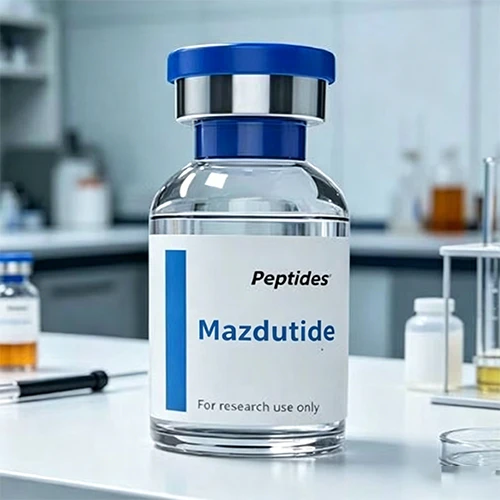
If you’re looking to purchase weight loss peptides legally in the U.S., the first step is to talk to a licensed healthcare provider. They can assess if a peptide is right for your needs, prescribe FDA-approved options if appropriate, or guide you on whether RUO peptides are worth exploring as part of your plan. Once you have that guidance, you’ll want to work with a supplier that follows FDA rules: verifies prescription peptides with valid doctor’s orders, labels RUO peptides correctly, sources from GMP facilities, and has a track record of transparent, compliant operations.
Anti-aging At our business, we’ve built our reputation over the last decade by prioritizing compliance and customer safety, over quick sales. We know how confusing the legal landscape can be, especially when there’s so much misinformation online about weight loss peptides. That’s why we make every effort to educate our customers, not just sell to them. If you’re ready to discuss your weight management goals, or have questions about our legal, FDA-compliant weight loss peptide options, we’re here to talk through your needs, answer your questions, and walk you through the purchasing process.
References
- U.S. Food and Drug Administration. (n.d.). Approved Prescription Weight-Loss Medications. Retrieved from FDA.gov
- U.S. Food and Drug Administration. (n.d.). Dietary Supplements: Regulation Under DSHEA. Retrieved from FDA.gov
- U.S. Food and Drug Administration. (n.d.). Warning Letters Related to Unapproved Peptide Products. Retrieved from FDA.gov
- Institute of Medicine. (2002). Dietary Supplements: A Framework for Evaluating Safety. National Academies Press.
- American Medical Association. (2023). GLP-1 Receptor Agonists for Weight Management: Clinical Guidelines. Retrieved from AMA-Assn.org
Yiwu Zuoxian Trading Firm
With abundant experience, we are one of the most professional weight loss peptide suppliers in China. We warmly welcome you to buy bulk discount weight loss peptide in stock here from our factory. Quality products and reasonable price are available.
Address: Room 203, Unit 1, No.2 Building, Jiangshan Jiao 1, Chunlin Village, Dachen Town, Yiwu City, Jinhua, Zhejiang Province
E-mail: qinshuai@zowellpep.com
WebSite: https://www.ywzuoxian.com/
