As an organic polymer flocculant supplier, I’ve spent years listening to customers grapple with a common, avoidable problem: their flocculants lose effectiveness long before the expiry date printed on the container. It’s not a flaw in the product—it’s almost always a gap in storage practices. Every flocculant we produce at our facility is formulated with specific molecular weights, charge densities, and monomer ratios designed to bind suspended solids efficiently. But those delicate polymer chains break down when exposed to unregulated conditions, and the result is a flocculant that doesn’t perform as expected, leading to messy, costly process failures in water treatment, mining, or municipal sludge management. After troubleshooting dozens of these cases for partners across industries, I’ve put together this practical, science-backed guide to storing organic polymer flocculants that will help extend their shelf life—and get the most value out of your investment. Organic Polymer Flocculant
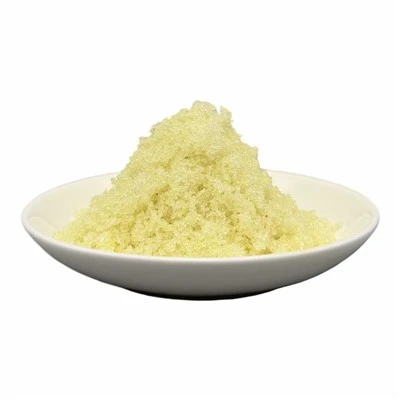
First, let’s start with a quick primer on why organic polymer flocculants degrade, because you can’t fix a problem you don’t understand. The two most common types we supply are anionic (negatively charged, ideal for suspended solids in mining runoff and industrial wastewater) and cationic (positively charged, used for sewage sludge dewatering and organic waste). Both are long-chain polymers, made of repeating monomer units linked by covalent bonds. Degradation happens when those bonds break, either through physical stress, chemical reactions, or biological activity. UV light is a major culprit here: prolonged exposure to sunlight breaks down the carbon-carbon bonds in polymer chains, splitting them into shorter segments that can’t form the large, strong flocs needed for separation. Temperature swings are another big factor—extreme heat speeds up chemical degradation, while extreme cold can cause the polymer to crystallize, ruining its solubility. Even moisture can be problematic: wet powder flocculants absorb water, triggering early chain breakdown, while liquid flocculants can develop bacterial growth if stored in damp, unhygienic spaces. And let’s not overlook mechanical stress: rough handling that jars containers can cause friction, generating heat that damages the polymer structure over time.
Now, let’s dive into storage best practices, organized by the three main forms of flocculants we offer: powdered, emulsified, and liquid. Each has unique storage needs, so matching your approach to the product you’re using is critical.
For powdered organic polymer flocculants, which are the most common for long-term use, the single most important rule is keeping them dry. Powdered flocculants are hygroscopic, meaning they absorb moisture from the air readily—even a small amount of water can initiate cross-linking or chain scission, turning the free-flowing powder into a solid, useless lump. I’ve seen customers leave 50kg bags of powder in an open warehouse bay overnight, and by morning, half the bag was clumped together so badly it couldn’t be scooped. To prevent this, store powdered flocculants in airtight, moisture-resistant containers or original packaging. Our factory ships flocculants in polyethylene-lined polypropylene bags that act as a barrier against moisture, but those linings tear easily if punctured, so it’s best to transfer unopened bags to a dry, well-ventilated storage area as soon as they arrive. If you’re using bulk storage (for facilities that take delivery of 1-ton super sacks), invest in covered, elevated storage silos with desiccant systems. Desiccants, like silica gel packs placed inside super sacks or bulk hoppers, absorb excess moisture and keep humidity levels low—we recommend using 1kg of desiccant per ton of powder for long-term storage. Also, keep powdered flocculants off concrete floors, which can wick moisture through bag linings over time; use wooden pallets or plastic racks to elevate containers at least 15cm off the ground.
Temperature control is another non-negotiable for powdered flocculants. They perform best when stored at temperatures between 10°C and 30°C (50°F to 86°F). Avoid areas near boilers, heaters, or loading docks where temperatures can spike above 40°C (104°F)—we’ve tested powdered flocculants stored at 45°C for 30 days, and their molecular weight dropped by 18%, leading to a 25% reduction in flocculation efficiency. Conversely, don’t store powder in uninsulated warehouses in cold climates where temperatures drop below freezing. Freezing can cause the polymer matrix to contract, leading to irreversible crystallization, so if you’re in a region with harsh winters, insulate storage areas or use heated bulk containers. Lastly, limit exposure to UV light. Store flocculants in dimly lit areas, or cover windows in storage spaces with opaque drapes. If you need to access bags regularly, use dark, opaque plastic bins to transfer small quantities instead of keeping the original bag open to sunlight.
Next, emulsified organic polymer flocculants, which are liquid-based and often used for fast dissolution in high-flow applications, have a different set of storage rules. Emulsions are mixtures of polymer droplets dispersed in a carrier oil, so their main enemies are phase separation, bacterial growth, and temperature extremes. Unlike powdered flocculants, emulsions are pre-formulated to be ready for use, but they degrade quickly if mishandled. First, store emulsified flocculants in sealed, non-corrosive containers—we recommend high-density polyethylene (HDPE) drums or tanks, which resist the carrier oil and don’t react with the polymer. Never leave emulsions in metal containers long-term, as the oil can leach metal ions that act as catalysts for polymer degradation, accelerating chain breakage. Temperature is critical here: emulsions should be stored between 5°C and 35°C (41°F to 95°F). Temperatures above 40°C cause the oil carrier to thin, leading to the polymer droplets coalescing and separating from the solution, while temperatures below 5°C thicken the emulsion so much it won’t dissolve properly when diluted. I once had a customer in a northern mining operation store 10 drums of emulsion in an unheated shed over winter; by spring, the emulsion was a solid gel that couldn’t be pumped, wasting thousands of dollars. To prevent bacterial growth, add a biocide approved for use in water treatment applications (we can recommend the right one for your product) if you’re storing emulsions in large tanks for more than 30 days. Bacteria feed on the polymer molecules, breaking them down into smaller, inactive segments, and even a small bacterial colony can reduce emulsion effectiveness by 10% in a month. Also, avoid storing emulsions in areas with direct sunlight, as UV light breaks down the polymer and the oil carrier, leading to phase separation.
Finally, liquid organic polymer flocculants—water-based solutions with lower molecular weights, ideal for small-scale or portable systems—require careful storage to prevent water contamination and chain degradation. These flocculants are the most sensitive, as their polymer chains are already dissolved in water, so any impurity or temperature change can quickly break them down. Store liquid flocculants in tightly sealed, food-grade HDPE containers (avoid metal or steel tanks, which can corrode and introduce contaminants) and keep them in a cool, shaded area. Never add water, chemicals, or other substances to liquid flocculant containers, as contaminants can act as initiators for chain scission. For liquid flocculants, shelf life is typically 6 months from production, but proper storage can extend this to 12 months. Keep temperatures between 15°C and 25°C (59°F to 77°F)—if storage temperatures exceed 30°C, the liquid will start to decompose within 2 months, while freezing will cause the polymer to precipitate out of solution, making it impossible to use. One tip for liquid flocculants: if you notice the solution is cloudy or has a foul odor, it’s already degraded, so discard it instead of risking poor performance in your process.
Beyond product-specific rules, there are universal storage practices that apply to all organic polymer flocculants, regardless of form. First, implement a “first in, first out” (FIFO) inventory system. Flocculants have a printed expiry date, but that date is only valid when stored correctly. Older product stored in the back of your warehouse should be used before newer stock in the front, so you don’t end up with expired flocculants that have lost potency. Label every container clearly with the production date, expiry date, and product type—this makes FIFO easy to follow, even for large inventories. Second, avoid mechanical stress. Don’t drag or drop flocculant containers, especially bulk super sacks or drums. Rough handling can create friction and heat, which damages polymer chains over time. When moving drums, use a hand truck with rubber wheels to reduce jostling, and for super sacks, use a forklift with soft forks to prevent punctures. Third, keep storage areas clean and free of spills. A spilled flocculant, even of a different type, can contaminate other containers, leading to cross-reactions that degrade the product. Also, clean storage floors regularly to remove dust, which can introduce foreign particles that act as catalysts for degradation.
I know from experience that even the best storage practices don’t catch every degradation issue, so here’s a quick way to test if your flocculant is still effective. For powdered flocculants, take a small sample (about 10g) and mix it with clean water to make a 0.1% solution. Let it stir for 30 minutes—if it doesn’t dissolve completely, forming clumps or undispersed powder, it’s degraded. For emulsions and liquid flocculants, check the viscosity: properly stored product will have a consistent, smooth texture. If it’s thicker than usual, has separated layers, or has an unusual smell, it’s time to replace it. If you’re unsure, send a sample to our technical team—we do free potency tests for all our customers, so you can avoid wasting time and money on flocculants that won’t work.
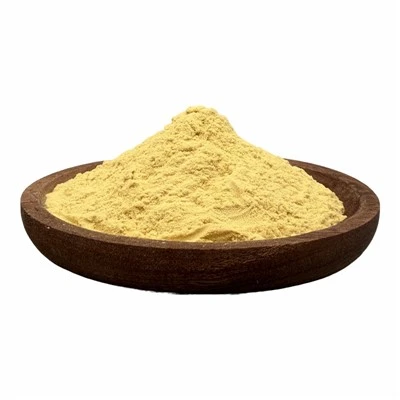
If you’re struggling with storing organic polymer flocculants, or you’re not sure if your current practices are extending shelf life as much as they could, I’m here to help. As a supplier, our goal isn’t just to sell you product—it’s to make sure that product performs at its best for your operations. We offer personalized storage audits for customers with large inventories, and we can provide tailored recommendations based on your facility’s layout, climate, and flocculant usage needs. Whether you’re a mining operation in need of bulk powder storage guidance, a municipal wastewater treatment plant working with liquid flocculants, or a small business testing emulsions for a new application, we can connect you with the support you need to avoid degradation and get the most out of your investment. To learn more about our products and how we can help with your storage needs, reach out to our team today to schedule a consultation.
Quartz Sand References
- Ranjith, P. G., & Sridhar, S. (2018). Degradation of water-soluble polymers used in mineral processing: A review. Journal of Environmental Management, 210, 127-135.
- Wang, Y., et al. (2020). Storage conditions affecting shelf life of cationic polyacrylamide flocculants. Separation and Purification Technology, 236, 116285.
- American Water Works Association. (2019). Best practices for storage and handling of chemical additives in water treatment. AWWA Standard G400.
- Barnes, D., & Gentle, J. (2021). Emulsion polymer flocculants: Stability and storage optimization for industrial applications. Chemical Engineering Journal, 412, 128647.
Henan Ovation Envioronment Protection Technology Co., Ltd.
As one of the most professional organic polymer flocculant manufacturers and suppliers in China, our products have good reputation in the market. Please feel free to wholesale high quality organic polymer flocculant in stock here and get quotation from our factory. For price consultation, contact us.
Address: No.305 Jinshui Road, Future Road Street, Jinshui District, Zhengzhou City, Henan Province
E-mail: service@ovationeco.com
WebSite: https://www.ovationeco.com/
