Hey everyone, let’s cut to the chase—if you’ve ever wandered past a shipping container construction site, you’ve probably seen those big, sharp metal tools slicing through a container like it’s a tin can. What you might not know is that tool has a name: container shear. And full transparency here, that’s exactly what we supply—top-tier container shears for architects, contractors, and anybody building cool stuff out of old shipping containers. Today, let’s break this down, no stuffy engineering jargon, just real talk about what container shear actually does, why it matters, and why you shouldn’t skip getting the right one for your next build. Container Shear
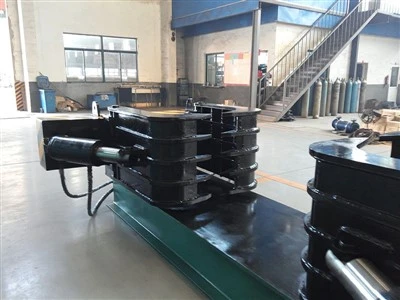
First off, let’s get the basics right. Shipping containers aren’t just big metal boxes—they’re built like tanks to survive cross-ocean trips, so their steel walls, corners, and door frames are thick, rigid, and basically impossible to hack through with a regular saw or bolt cutter. That’s where container shear comes in. It’s a heavy-duty, hydraulic-powered tool (though some compact versions run on electric or even pneumatic for smaller jobs) designed specifically to snip, slice, and shape shipping container steel to whatever dimensions you need. Think of it like a super-powerful pair of scissors made for cutting thick metal sheets, not paper.
Wait, let’s be real—there’s a difference between a regular metal shear and a container shear. Regular metal shears are for thin steel, like sheet metal for ductwork or small metal parts. Container shears are built for the 10-gauge to 12-gauge steel that makes up standard shipping containers. Some heavy-duty models can even handle 6-gauge steel if you’re modifying high-security containers. That’s no small feat—6-gauge steel is about as thick as a dinner plate, for reference.
Now, why does this matter for shipping container architecture? A lot of people get into container builds because they want affordable, sustainable, modular spaces—tiny homes, coffee shops, pop-up stores, even full-size offices. But those pre-made containers are just empty boxes. To turn them into usable space, you’ve got to cut holes for windows, doors, vents, and utilities. If you try to do that with a handheld saw, you’ll get all sorts of problems: jagged, uneven edges that are a pain to seal, slow cutting that wastes hours, and even warping the surrounding steel because of the heat from a plasma cutter. Container shears avoid all that. They cut cold, no heat, so no warping, and the edges are clean and straight, ready for welding or sealing right away.
Let me tell you a quick story to put this in perspective. Last year, we worked with a small architecture firm building a container coffee shop in Portland. They tried using a plasma cutter first to cut their 10-foot door opening. It took them 3 hours, the edges were super jagged, and they had to grind them down for another 2 hours just to get them smooth enough to install the door. When they switched to our mid-sized container shear, they cut that same opening in 12 minutes, and the edges were perfect—no grinding needed. That kind of time savings is huge for any project, especially when you’re on a tight deadline.
But container shear isn’t just for cutting big openings. It’s also key for modifying entire containers to fit modular designs. A lot of architects are stacking containers, combining them, or cutting them in half to make two-story spaces. If you need to slice a 40-foot container down the middle to make two 20-foot sections, a container shear is the only tool that can do that quickly and evenly, without bending the steel so bad it ruins the whole container.
Now, let’s talk about the different types of container shears, because not all shears are created equal. If you’re a small contractor doing DIY tiny homes, or a homeowner with a small backyard project, you don’t need a massive industrial shear that bolts to a trailer. We make compact, portable container shears that work with a standard skid-steer or mini excavator—you just hook it up, and you’re good to go. They’re easy to transport, perfect for tight job sites, and can handle most common cuts for small to medium builds.
If you’re a big construction company working on multi-story container office buildings or large retail spaces, you’ll want a heavier-duty, fixed or trailer-mounted container shear. These are faster, can handle thicker steel, and are built for long hours of daily use. Some even have interchangeable blades, so you can switch from cutting flat walls to slicing through the corner posts of a container, which are even thicker than the side walls.
Wait, let’s address a common myth here. A lot of people think container shears are too expensive for small projects. Yeah, a top-tier shear isn’t cheap, but when you add up the time you save, the reduced labor costs, and the fact that you don’t have to buy all those extra tools (grinders, extra blades, protective gear for messy plasma cuts), it’s actually a smart investment. We’ve had customers with $10k tiny home projects tell us our shear paid for itself in one job.
Another thing that’s super important: safety. Cutting thick metal with any tool is dangerous, but container shears minimize a lot of the risks. Plasma cutters produce fumes, sparks, and can cause eye injuries if you’re not protected. Container shears are enclosed, so sparks aren’t flying everywhere, and modern models have safety locks, pressure sensors, and emergency stop buttons that make them way safer for job sites. That’s a big deal for both small teams and big companies that need to keep their workers safe and OSHA-compliant.
Now, let’s get into how container shear compares to other tools people use for container modification. As I mentioned earlier, plasma cutters are popular, but they’re messy, slow, and require a lot of cleanup. Welding torches can work, but they’re only good for small cuts, and you have to be careful not to damage the rest of the container. Grinders are good for finishing cuts, but not for making the initial clean cuts you need for openings. Container shears hit the sweet spot: fast, clean, safe, and versatile.
Let’s talk about a recent project we were involved in to make this real. A school district in Texas hired us to help build 12 modular classroom units out of shipping containers. Each unit needed a large front window, a side door, and a vent on the roof. Using our compact container shears, the construction team was able to cut all the openings for 12 units in less than two days. If they’d used plasma cutters, that would have taken at least a week, and they would have had to hire an extra person to grind all the edges. The classroom project got done on time, within budget, and those units are now being used by elementary school kids—pretty cool, right?
So, what do you need to look for when you’re shopping for a container shear? First, think about the size of your project. If you’re a beginner or doing small jobs, go for a portable, skid-steer mounted model. If you’re doing big commercial builds, go heavy-duty. Second, check the blade quality. The last thing you want is a blade that gets dull after 5 cuts. We use high-strength alloy steel blades that last for hundreds of cuts, which saves you money in the long run. Third, make sure it’s compatible with your existing equipment. A lot of our customers already have skid-steers or excavators, so our shears are designed to hook up quickly without needing extra adapters.
Wait, let’s be real—we’re a container shear supplier, so it would be weird not to talk about why we’re the ones you should check out. We don’t just sell tools—we work with architects and contractors to figure out exactly what kind of shear you need for your specific project. Need help calculating how big a shear you need? We’ll walk you through it. Got a small backyard project and don’t want to buy a shear? We also have rental options for when you just need it for one job. And all our shears come with a warranty and 24/7 support, so if you run into any issues on a job site, we’re just a call away.
Let’s wrap this up with why container shear is more than just a tool—it’s the backbone of modern shipping container architecture. Without it, container builds would be way more expensive, way slower, and way less practical. A lot of people think shipping container architecture is a niche hobby, but it’s booming because it’s affordable, sustainable, and versatile—and container shear is the reason so many of those cool, functional spaces get built.
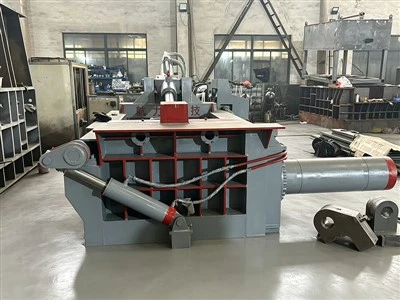
If you’re working on a shipping container project, whether it’s a tiny home, a coffee shop, a commercial building, or anything in between, you need a container shear that’s up for the job. Don’t waste time and money on tools that aren’t built for thick shipping container steel. We’re here to help you find the right shear, whether you want to buy or rent, and make your project go as smooth as possible. Reach out to our team to chat through your needs, get a quote, or even ask questions—we’re happy to help.
Rebar Cutting Machine References
- Shipping Container Architecture: A Guide to Sustainable Design and Construction, Container Housing Institute, 2022
- Hydraulic Shear Technology for Metal Fabrication, Industrial Equipment Association, 2021
- Safety Standards for Construction Tools, Occupational Safety and Health Administration (OSHA), 2023
- Portable Construction Equipment for Modular Building, National Association of Home Builders, 2022
Jiangyin Hangli Technology Co., Ltd.
Jiangyin Hangli Technology Co., Ltd. is one of the most professional container shear manufacturers and suppliers in China. We are committed to providing high quality custom service and OEM service with low price. We warmly welcome you to buy high-performance container shear for sale here from our factory. Also, pricelist is available.
Address: No. 11, Louxia Road, Zhouxi Village, Zhouzhuang Town, Jiangyin City, Wuxi City, Jiangsu Province, China
E-mail: sherry@hanglimachinery.com
WebSite: https://www.hanglirecycling.com/
