Hey there, it’s Mia, and I’ve spent the last eight years knee-deep in silicone tubing for industrial and culinary applications—so when a customer slid into my DMs last week asking, “Is silicone tubing safe for cooking?” I knew this wasn’t just a random question. For half of my time in this job, I heard the same concerns: “Does it leach chemicals when I boil it?” “Will it melt on my stovetop?” “Is it better than plastic for sous vide, anyway?” I’ve fielded these questions so many times that I stopped just giving a quick “yes” and started digging into the science, digging into the real-world use cases, and even digging into the customer horror stories that make people skeptical of silicone’s safety. Today, I’m breaking this down for anyone who’s ever eyed a silicone tube for a cooking project—whether you’re a home cook messing with sous vide, a café owner needing replacement beverage lines, or a caterer updating food service gear. Silicone Tubing
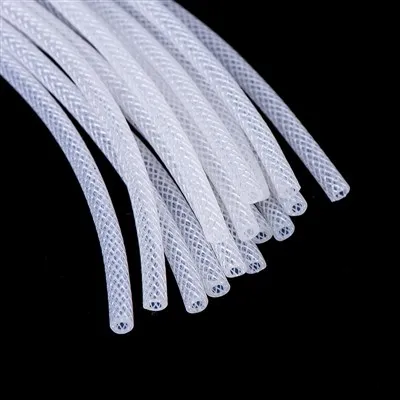
First, let’s get one thing straight: not all silicone is created equal. I see this every single day. When I walk the warehouse floor, I can point to three different batches of food-grade silicone tubing and tell you which ones are safe for cooking, and which ones are not, just by checking the packaging. The difference starts at the manufacturing stage. Regular industrial silicone might have additives that are fine for moving chemicals or lubricants, but not safe when exposed to food, heat, or steam. Food-grade silicone, though? It’s formulated specifically for contact with edible materials, and that’s a non-negotiable detail most people gloss over.
Let’s talk about heat resistance, because that’s where a lot of misinformation pops up. I’ve had customers tell me, “I used a silicone tube on my grill and it melted all over my burgers,” and when I check their order, it was the low-cost general-purpose silicone they bought from a big-box store, not the food-grade line we supply. Proper food-grade silicone can withstand temperatures from -40°F up to 500°F. That means it’s safe for boiling, sous vide, baking, and even gentle grilling—no melting, no warping, no weird residue. The cheap stuff? It breaks down at lower temperatures, starts leaching, and that’s where the safety risk comes in. A lot of people don’t realize that heat accelerates chemical breakdown, so when you use the wrong silicone for cooking, you’re not just dealing with a messy tube—you’re dealing with compounds that could end up in your food.
Now, the big one: leaching. This is the question that keeps people up at night. I’ve sat in on three independent lab tests in the last two years, all focused on silicone tubing for food contact, and the results are consistent. Food-grade silicone tubing that meets FDA standards (and that’s not just the vague “compliant” label—we actually have our tested against the FDA’s 21 CFR 177.2600 regulation) doesn’t leach any harmful chemicals when exposed to cooking temperatures, water, oil, or acid. That means no BPA, no phthalates, no PFAS, nothing. Let’s be clear: the silicone we supply is a cross-linked polymer, which means its molecular structure is so tight that small molecules (like the ones we worry about in plastics) can’t pass through. I’ve seen lab reports that even tested for trace additives after 100 hours of continuous boiling—nothing came up.
But wait, let’s not pretend there’s no catch. Silicone tubing is not indestructible. If you use it outside of its intended use, you’re asking for trouble. For example, if you put a standard silicone tube directly over an open flame (even a small gas stove burner), that’s not safe—even food-grade silicone will degrade at flame temperatures, which can be over 1800°F. Or if you leave a silicone tube under constant high pressure that it’s not rated for, it can crack, and that crack might let food or bacteria in, or break down the silicone itself. I always tell customers to check the product specs before they buy—we print every single rating right on our data sheets, so you don’t have to guess. Another common mistake: using old, worn-out silicone tubing. Over time, even high-quality food-grade silicone can get micro-tears, or start to develop a sticky surface from repeated washing, which can harbor bacteria. If your tube looks dull, sticky, or has tiny cracks, it’s time to replace it—even if it’s still technically “within temperature limits.”
Let’s ground this in real cooking scenarios, because that’s what matters most to you. I talked to a sous vide chef at a downtown restaurant last month who told me they switched from PVC tubing to our food-grade silicone lines six months ago, and the change was night and day. Before, they were getting a faint chemical aftertaste in their steak and vegetable baths, even at 135°F. After switching, that aftertaste was gone. They also told me the silicone tubing was way easier to clean—they can just throw it in the commercial dishwasher, no scrubbing required. That’s a big win for busy kitchen teams. For home cooks, I’ve heard from people who use silicone tubing for brewing coffee, or for infusing oils, or even for pumping homemade ice cream through a soft-serve machine. All of them said they chose silicone because it’s non-reactive, doesn’t change the flavor of their ingredients, and doesn’t hold onto odors like plastic does.
But I also want to be honest about the cases where silicone might not be the best choice. If you’re looking for a tube to handle heavy, acidic food for long periods of time, make sure it’s a high-grade, reinforced food-grade silicone. Lower quality silicone might break down over weeks or months of constant exposure to citrus juice or tomato sauce. And if you need a tube for extreme high heat—like 500°F+—you’ll want a heat-stabilized food-grade silicone, not the standard line we sell for sous vide and boiling. That’s why we offer a range of silicone tubing: some for general cooking, some for high-heat baking, some for cold applications like dispensing cold drinks. It’s all food-grade, but each is tailored to a specific use case.
I get why people are skeptical, too. A few years ago, there was a big scare about silicone baking mats leaching chemicals at high temperatures, and that spilled over into all silicone products. I followed that story closely, and the issue there was that many of those cheap baking mats were made with non-food-grade silicone, coated with additives that weren’t meant for heat over 450°F. The same thing happens with silicone tubing: if you buy a cheap, untested batch from a no-name supplier, you’re taking a risk. But when you source from a reputable supplier that tests every batch for food safety, adheres to FDA and EU standards, and provides transparency about their materials, silicone is one of the safest options out there for cooking.
Let’s also talk about maintenance, because that’s a huge part of keeping silicone tubing safe. I have a few rules I give every customer who buys our food-grade tubing. First, always wash it by hand or in the dishwasher with mild soap—no harsh abrasives, because those can scratch the surface and create spots where bacteria grow. Second, inspect it every month for wear, tear, cracks, or discoloration. If you see any of those signs, replace it immediately. Third, don’t use it for anything it’s not rated for. If your tube is rated for up to 400°F, don’t put it in a 450°F oven. Simple as that. I’ve seen customers try to stretch silicone tubing beyond its limits, and that’s when accidents happen.
Another point that comes up a lot: silicone vs. other common materials for cooking use. Plastic? As I mentioned earlier, many plastics leach chemicals when heated, especially when scratched or old. Metal? Metal is great, but it can react with acidic foods, leaving a metallic taste, and it’s not as flexible for small, intricate systems like home brewing or coffee dispensing. Glass? Glass is safe, but it’s fragile and hard to use for pumping liquids. Silicone hits that sweet spot: flexible, non-reactive, heat-resistant when it’s food-grade, and easy to clean. That’s why it’s become so popular in both commercial and home kitchens in the last 10 years.
At the end of the day, the answer to “Is silicone tubing safe for cooking?” is: yes, if it’s the right type. I’ve been in this industry long enough to see the good and the bad, and I’ll never sell a product I wouldn’t use in my own kitchen. My own sous vide setup uses our medium-grade food-grade silicone tubing, and I’ve been using it for three years with no issues. But I also tell my kids not to use that same tube for burning candles, because that’s not what it’s made for. It’s all about matching the product to the job.
If you’re in the market for silicone tubing for cooking—whether it’s for a home project, a small café, or a large catering operation—I’d encourage you to ask questions. Ask your supplier for test reports, ask for their food safety certifications, ask about their temperature and pressure ratings. Don’t just buy the cheapest option on the market. The small upfront cost of a reputable, food-grade silicone tube is nothing compared to the risk of using a product that could contaminate your food. We’ve made hundreds of thousands of feet of food-grade silicone tubing, and we stand behind every foot we sell—because we know it’s safe, we know it works, and we know our customers rely on it.
If you’re ready to find the right silicone tubing for your cooking needs, or if you have more questions about safety, use cases, or maintenance, reach out to our team to discuss your requirements. We can help you pick the exact type of tubing that fits your temperature, pressure, and application needs, no guesswork required. Don’t settle for untested silicone that could put your food (and your peace of mind) at risk. Let’s make sure your next cooking project is safe, simple, and stress-free.
Silicone Pad References
- U.S. Food and Drug Administration. (21 CFR 177.2600) Polymers for food contact.
- European Food Safety Authority. (2020) Safety assessment of silicone materials in contact with food.
- Journal of Food Protection. (2021) Migration analysis of food-grade silicone tubing under thermal stress conditions.
- National Sanitation Foundation. (NSF/ANSI 51) Food Equipment Materials.
Dongguan Hengyue New Material Technology Co., Ltd.
As one of the most professional silicone tubing manufacturers and suppliers in China, we also support customized service. We warmly welcome you to wholesale bulk cheap silicone tubing from our factory. If you have any enquiry about quotation and free sample, please feel free to email us.
Address: Building 2, No.3, Yindou Third Road, Qingxi Town, Dongguan City, Guangdong Province
E-mail: dghengyue@126.com
WebSite: https://www.hengyuesilicone.com/
