If you’ve ever worked with industrial wire—whether you’re a maintenance tech on a manufacturing floor, an electrician wiring a commercial space, or even a fellow industrial wire products supplier—you know that a clean, accurate cut makes all the difference. I’ve been in this industry for over 18 years, running my family’s small industrial wire products supply business, and I’ve seen firsthand what happens when cutting goes wrong: frayed strands that cause signal interference, jagged edges that nick insulation (leading to short circuits months later), or even wasted wire that throws off project budgets and timelines. The truth is, cutting industrial wire isn’t just about grabbing any pair of cutters and slicing away. It’s a process that depends on understanding the type of wire you’re working with, the right tools for the job, and a few small, science-backed techniques to get a precise, safe cut every time. Let’s break this down step by step, based on what I’ve learned from hundreds of projects and troubleshooting more mistakes than I can count. Industrial Wire Products
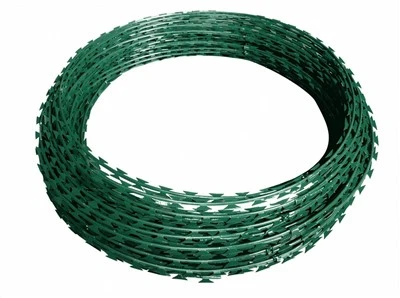
First, let’s talk about pre-cut preparation—something I think a lot of people skip, and it’s the root of 70% of bad cuts I’ve seen. Before you even pick up a tool, you need to identify what kind of industrial wire you’re dealing with. Not all wire is created equal, and each type requires a different approach. For example, there’s solid core wire, which is a single, rigid strand of copper or aluminum used for permanent wiring. Then there’s stranded wire, made of multiple thin strands twisted together, which is more flexible for moving parts like motors or appliance cords. We also supply specialty industrial wire—like nickel-chromium heating wire for industrial ovens, or high-tensile steel wire for agricultural fencing and conveyor belts—each with unique properties that affect how it cuts.
Why does this matter? Solid core copper, for instance, is prone to cracking if you bend it too much before cutting. If you try to snip it without preparing the cut site first, the pressure from the cut can split the core along the length, rendering that section useless for a tight connection. Stranded wire, on the other hand, can fray if you don’t secure the strands evenly before cutting, because the individual fibers will pull apart instead of being sheared cleanly. Specialty wires like steel wire are tough enough to dull even high-quality cutters if you don’t use the right tool, and aluminum wire can deform if you apply too much force in the wrong spot.
My go-to pre-cut step, no matter the wire type, is marking the exact cut line with a non-permanent, wire-safe marker—we keep these in stock alongside our industrial wire products for exactly this reason. If you’re cutting 100 feet of wire to exact lengths for a production run, don’t eyeball it. Lay the wire flat on a stable, non-slip surface (a wooden workbench works perfectly; avoid concrete, which can scratch wire coating) and measure with a tape, then draw a clear line around the entire circumference. For thicker wire (10 gauge or higher), I even like to wrap a small piece of painter’s tape around the line to create a guide. This keeps the cut edge straight and prevents slippage when you apply pressure, which is one of the most common causes of uneven cuts.
Next, choosing the right tool is non-negotiable. I’ve seen people use bolt cutters for small gauge wire, or needle-nose pliers for heavy steel wire, and the result is always a bad cut—or broken tools. Let’s get specific about which tools work for which wire types, based on what we recommend to our clients every day.
For solid core copper or aluminum wire (18 gauge to 6 gauge), the best tool is a pair of diagonal cutting pliers, often called “dikes” in the trade. The key here is to pick dikes with a sharp, angled cutting edge that’s designed to slice, not crush. Cheap dikes have rounded edges that squeeze the wire, deforming the core before cutting, which leads to cracks. Our team at Industrial Wire Products only carries dikes with hardened steel cutting blades, because they stay sharp longer and make a clean shear cut. A common mistake here is holding the pliers at the wrong angle—you want to hold them so the cutting edge is perpendicular to the wire, not at a slant. If you angle the pliers, one side of the wire gets more pressure than the other, leading to a jagged edge.
For stranded wire, especially thicker strands (12 gauge and up), linesman pliers are a better choice. Linesman pliers have a wider cutting surface that can grip and cut multiple strands at once without fraying. When using linesman pliers for stranded wire, I always squeeze the pliers slowly and evenly, not in quick jabs. Jabbing causes the outer strands to pull apart before the inner ones are cut, leading to a messy, frayed edge that’s hard to terminate. Another tip for stranded wire: once you squeeze the pliers enough to score the wire, stop, rotate the pliers 90 degrees, and squeeze again. This two-step score and rotate ensures every strand is cut evenly, with no pulled fibers.
Now, for heavy industrial wire—like 2 gauge steel wire for conveyor belts, or thick copper bus bars for industrial electrical panels—bolt cutters are the tool you need. But not just any bolt cutters: you want ones with a high tensile strength frame and carbide-tipped blades for cutting thick metal. Cutting wire this heavy requires leverage, so make sure the bolt cutters are long enough to give you enough torque (24 to 36 inches is ideal for wire over 1/4 inch thick). When using bolt cutters, position the wire exactly at the pivot point of the blades, not too close to the end. If you place the wire near the tips, you’ll have less leverage, which means more force applied and a more deformed cut. Also, never use bolt cutters on electrical wire with insulation that’s meant for low-voltage work—their blades are too rough and can nick the insulation, leading to safety hazards.
For specialty wire, like our nickel-chromium heating wire or high-temperature thermocouple wire, we recommend using a rotary wire cutter. These small, handheld tools have sharp, rotating blades that slice through delicate specialty wire without distorting the core or damaging the insulation. We’ve had clients tell us they used bolt cutters on heating wire once and ended up with a 10-foot length that was unusable because the core was deformed, costing them time and money. A rotary cutter eliminates that risk, and it’s worth the small investment for specialty applications.
Once you have the right tool and have marked your cut line, the actual cutting technique is where science meets experience. Let’s talk about pressure and alignment, two factors that separate a good cut from a great one. First, always apply pressure in a slow, steady, downward motion—no twisting, no side-to-side movement. Twisting the tool while cutting causes the wire to bend, which can crack solid core or pull strands from stranded wire. I compare this to cutting a piece of paper with scissors: if you wiggle the scissors while cutting, you get a ragged edge, but steady pressure gives a straight, clean cut.
Another key point: for wire with insulation (which is most industrial wire), you don’t want to cut all the way through the insulation in one go if you’re just cutting the conductor, wait—no, let me correct that. If you’re cutting the entire wire (conductor plus insulation), you want the tool’s cutting edge to bite cleanly through both without crushing. That’s why sharp blades are so important: a dull blade will crush the insulation and conductor, leading to frayed strands and compromised insulation integrity. For example, if you’re cutting 12/2 Romex wire for a residential project, a pair of sharp dikes will cut through the outer jacket, inner insulation, and conductors in one smooth motion, while dull dikes will tear the jacket, leaving exposed conductors that need trimming later.
For solid core wire, here’s a trick I learned when I was an apprentice 18 years ago: after cutting, take a small piece of sandpaper (fine grit, 220 is perfect) and gently sand the cut end for two seconds. This removes any tiny burrs from the cut that could scratch insulation during termination or cause a poor connection. For stranded wire, if you see any loose strands after cutting, use a pair of tweezers to gently twist them back into the bundle before terminating—this prevents stray strands from touching other wires and causing a short circuit.
Wait, let’s address a common misconception: people think cutting wire is only about the act of cutting, but how you hold the wire matters too. If the wire is long, support it along the entire length, not just at the cut site. If you let the wire hang off the bench, the tension will make it bow, so when you cut it, the tension is released, and the cut edge will angle slightly, leading to an uneven length. I always have a helper hold long wire, or use a wire dispenser stand that keeps the wire straight and taut as it feeds. That’s a small detail, but it’s saved our clients hundreds of dollars in wasted wire from incorrect lengths.
Now, what about common mistakes to avoid? I’ve made all of these myself, so take this as hard-earned advice. First, never use a hacksaw to cut most industrial wire—hacksaws leave jagged, uneven edges and can nicked insulation if you’re not careful. Hacksaws are only for very thick steel cable, and even then, a bolt cutter is faster and gives a cleaner cut. Second, don’t cut wire at an angle unless you specifically need a angled cut for a termination. A straight cut is always stronger and easier to terminate. Third, never reuse cutting tools that are dull. Dull tools don’t just make bad cuts—they can cause injury, because you have to apply more force, increasing the risk of the tool slipping and cutting you. We send all our clients a small guide for tool maintenance with every bulk wire order, because sharpening your cutting blades every 50 to 100 cuts makes a huge difference in the quality of every cut.
At Industrial Wire Products, we’ve supplied industrial wire to thousands of clients, from small auto repair shops to large manufacturing plants, and the number one feedback we get is that when clients cut wire correctly, their projects run on time and have fewer delays from electrical issues. For example, a local food processing plant came to us last year with a problem: their conveyor belt wire was fraying after just three months, causing downtime that cost them $10,000 a day. We worked with their maintenance team to train them on proper cutting techniques for their heavy steel conveyor wire, and now that they’re using the right bolt cutters, marking their cut lines, and cutting with steady pressure, the wire is lasting six times longer, and their downtime has dropped by 80%. That’s the impact of getting this right.
If you’re working on a project and need industrial wire, or you have questions about the right cutting tools for the wire you’re using, we’re here to help. Our team of wire specialists has over 100 years of combined experience in the industrial wire industry, and we can help you select the right wire for your application, along with the tools you need to cut it correctly without wasting material or risking safety. Whether you need bulk solid core copper, flexible stranded wire, specialty heating wire, or heavy industrial steel wire, we stock a wide range of products to fit every project.
Don’t let bad cuts derail your next project. Cutting industrial wire correctly doesn’t have to be complicated—it just takes a little preparation, the right tools, and attention to the small details that make a big difference. If you’re ready to order industrial wire, or you want to talk through your cutting needs, reach out to our team to start a conversation that will save you time, money, and hassle. No matter how big or small your project is, we’re here to support you every step of the way.
I Style Gates References
- Industrial Electrical Wiring: Installation, Maintenance, and Testing (National Electrical Contractors Association, 2021)
- Wire Cutting and Termination Best Practices (Wire Engineering Magazine, Vol. 47, No. 2, 2022)
- Specialty Wire Applications Guide (International Wire Manufacturers Association, 2023)
- Tool Selection for Metalworking and Electrical Projects (Occupational Safety and Health Administration, 2020)
Firmstone (Tianjin) International Limited
Firmstone (Tianjin) International Limited is one of the most professional industrial wire products manufacturers and suppliers in China, featured by quality products and good service. Please feel free to buy bulk advanced industrial wire products made in China here from our factory. Welcome to contact us for quotation.
Address: 411, Prophet Valley, No.10, Meiyuan Road, Huayuan Industrial District, Xiqing District, Tianjin
E-mail: vivianjia@firmstonewire.com
WebSite: https://www.firmstonefactory.com/
