If you’ve ever picked up a cold pack from a grocery store’s deli section, waited for a same-day delivery of fresh farm produce, or had a temperature-sensitive medicine arrive intact at your doorstep, you’ve benefited from a reefer truck body. For anyone in logistics, food service, or pharmaceutical distribution, this piece of equipment isn’t just a box on wheels—it’s the quiet backbone of supply chains that keep perishables safe, medications viable, and consumer expectations met. As a provider of refrigerated truck bodies, I get asked this question all the time: “What is a reefer truck body, exactly?” It’s not a simple answer, and it’s worth breaking down because the right reefer unit can make or break a delivery, cut costs, and keep your brand’s reputation intact. Refrigerated Truck Body
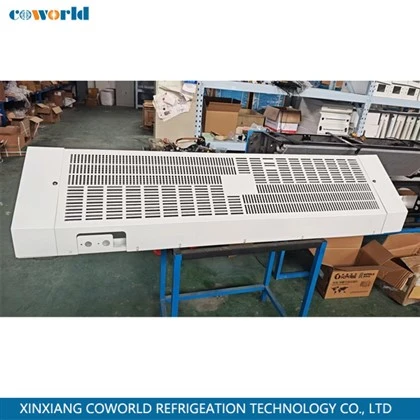
At its core, a reefer truck body is a temperature-controlled cargo compartment designed to maintain specific, consistent temperatures for goods that can spoil, degrade, or become dangerous if exposed to extreme heat or cold. Unlike a regular dry freight box, which only protects items from the elements, a reefer is a closed, insulated system paired with a refrigeration unit—commonly called a “reefer unit”—that can cool, heat, or regulate temperature to tight tolerances, often ranging from -20°F for frozen foods up to 50°F or higher for certain fresh produce or specialty products. But the technology goes far beyond just a cold machine attached to a box. The insulation, materials, and airflow systems are all engineered to eliminate temperature fluctuations, which are the biggest enemy of perishable goods.
Let’s start with the structure of the body itself. Most reefer truck bodies are made from high-density insulation materials sandwiched between outer and inner skins. The outer skin is usually aluminum, fiberglass, or composite—lightweight but durable enough to handle highway debris, loading dock bumps, and regular use. The inner skin is typically food-grade stainless steel or polyethylene, easy to wipe down and resistant to stains or bacteria, which is non-negotiable for food transport. The insulation is where the magic happens: we use closed-cell polyurethane foam or polyisocyanurate (polyiso) foam, which has extremely low thermal conductivity. That means it doesn’t let heat seep in from the outside or cold escape, even when the ambient temperature hits 90°F in summer or drops below freezing in winter. We’ve tested our bodies to have an R-value (a measure of thermal resistance) of up to 22 per inch, which is way higher than the R-value of a standard dry van box (usually around R-12 per inch). That extra insulation doesn’t just keep temperatures consistent—it reduces the load on the refrigeration unit, saving fuel and lowering long-term operating costs for our customers.
Another key feature is the airtight seal of the body. Every joint, door, and panel has heavy-duty gaskets made from rubber or EPDM, designed to prevent air leaks. Even a small gap around a door seal can let in enough heat to make a 20-degree temperature swing over a four-hour delivery route, ruining a batch of fresh berries or frozen meat. We test each of our reefer bodies with a pressure decay test to make sure they’re completely airtight before they leave our facility—something that many budget suppliers skip, which leads to headaches for fleet owners down the line.
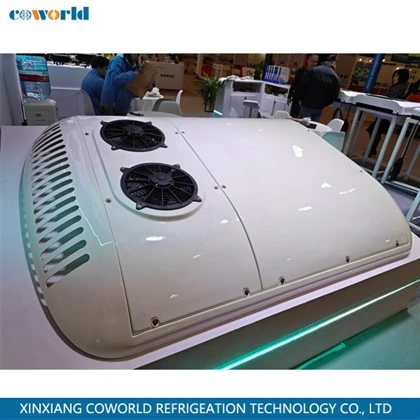
Now, the refrigeration unit, or the “reefer” part that most people associate with these trucks. There are two main types: engine-driven units and trailer-mounted units, but for straight trucks (the smaller, box trucks you see making local deliveries), the most common is an auxiliary under-hood or rear-mounted unit that runs on its own power supply, separate from the truck’s engine. These units use a compressor, condenser, evaporator, and refrigerant (most modern ones use eco-friendly R-404A or R-1234yf) to cycle air through the compartment. What sets good reefer units apart is their ability to hold set temperatures without cycling on and off constantly. Constant on-off cycles cause temperature spikes, which can shorten the shelf life of perishables. Our reefer units are calibrated to maintain a +/- 1°F temperature tolerance, which is critical for pharmaceutical shipments that require strict cold chain compliance, or for delicate produce like lettuce that wilts if temperatures swing even a few degrees.
It’s not just temperature control, either. Modern reefer truck bodies often come with additional features that make them versatile for different industries. For example, for frozen meat or ice cream, we offer unit options that can reach temperatures as low as -25°F. For fresh produce, many of our customers opt for multi-temperature units, which let them carry two separate cargo zones at different temperatures in the same truck—so you can haul frozen pizza in one compartment and fresh spinach in another, without cross-contamination or temperature issues. That’s a game-changer for small to mid-sized distributors who used to need two separate trucks for those deliveries. We also add ventilation systems for produce that needs to “breathe”—fruits like apples or bananas release ethylene gas, so the body has small vents that circulate air to prevent mold and speed ripening too quickly. For pharmaceutical clients, we integrate temperature monitoring and GPS tracking, so you can check the cargo’s temperature in real time, set alerts if it drops or rises too much, and have a digital record of the entire trip for regulatory compliance.
A question I get a lot is: “When do I need a reefer truck body, instead of just insulated packaging or a regular box truck?” The answer boils down to time, distance, and product sensitivity. If you’re delivering a cake across town in 30 minutes, insulated foam liners might be enough. But if you’re shipping fresh salmon from a coastal farm to a restaurant 500 miles away, or a batch of vaccines that must stay between 36°F and 46°F for 12 hours, you need a reefer truck body. Insulated packaging works for short, local trips with minimal temperature exposure, but reefer bodies are built for extended journeys, varying weather conditions, and consistent cold chain compliance that’s required by food safety regulations like the FDA’s Food Safety Modernization Act (FSMA) in the U.S., or similar rules in the EU and beyond.
There are also misconceptions that reefer truck bodies are too expensive, or too heavy, to be worth it. While they do cost more upfront than a dry box, the return on investment is real. For one thing, reducing temperature-related spoilage can cut losses by as much as 15-20% for perishable shipments. A 2022 study by the National Association of Cold Storage Operators found that fleets using properly insulated reefer bodies had 30% lower fuel costs than those using underpowered units in dry boxes, because the refrigeration system didn’t have to work as hard to maintain temperature. Also, modern reefer bodies are built with lightweight materials, so they don’t take away from your payload capacity—something that’s a big deal for delivery companies trying to maximize how much they can carry on each run.
As someone who’s been in the refrigerated truck body industry for 12 years, I’ve seen how a good reefer can turn a struggling delivery route into a profitable one. I’ve worked with small vegetable farmers who couldn’t afford to lose half their load to heat spoilage, pharmaceutical distributors who had to meet strict FDA rules to stay in business, and grocery chains that needed consistent temperatures to keep their store shelves stocked with fresh, safe products. The right reefer isn’t just a piece of equipment—it’s a solution to a lot of logistical headaches.
If you’re in the market for a reefer truck body, it’s important to work with a supplier who understands not just the technology, but the specific needs of your industry. A supplier that cuts corners on insulation, or uses low-quality seals, will end up costing you more in spoilage, fuel, and repairs down the line. That’s why we build each of our bodies to order, tailored to your route, payload, and products. We can walk you through different insulation options, temperature unit types, and add-ons like multi-temperature zones, temperature monitoring, and food-grade interiors. Whether you’re a small local delivery company or a large regional distributor, we can help you find a reefer body that fits your needs and your budget.
If you’re ready to talk through your refrigerated transport needs, and find out how a reefer truck body can improve your operations and reduce costs, don’t hesitate to reach out to schedule a consultation. We can walk you through our products, answer any questions you have about temperature control, insulation, or compliance, and help you find the right solution for your business. The right reefer is an investment in your bottom line, your brand, and the trust of your customers—let’s make sure you get the one that works for you.
Refrigerated Truck References
National Association of Cold Storage Operators. (2022). Cold Chain Fleet Efficiency Report.
U.S. Food and Drug Administration. (2021). FSMA Cold Chain Compliance Guidelines for Food Transportation.
International Institute of Refrigeration. (2020). Thermal Insulation Standards for Road Transport Refrigeration Units.
Xinxiang Coworld Refrigeration Technology Co., Ltd.
As one of the most professional refrigerated truck body manufacturers and suppliers in China, our products have good reputation in the market. We warmly welcome you to buy cheap refrigerated truck body for sale here from our factory. If you have any enquiry about cooperation, please feel free to email us.
Address: B103 ROOM, GT CITY, NO.199 ZHENGZHONG ROAD, HIGH TECH ZONE, XINXIANG CITY, HENAN PROVINCE, CHINA
E-mail: coworldfrio@hotmail.com
WebSite: https://www.coworldthermo.com/
