If you’ve ever wandered around a farmers’ market, a beachside boutique, or even a grocery store’s zero-waste section, chances are you’ve spotted felt bags. They’re soft, structured, come in every color under the sun, and seem like the perfect alternative to plastic totes or fast-fashion canvas bags. But as someone who’s been supplying felt bags for over five years now, I get the question all the time: “Are felt bags actually eco-friendly, or just another greenwashing fad?” Felt Bag
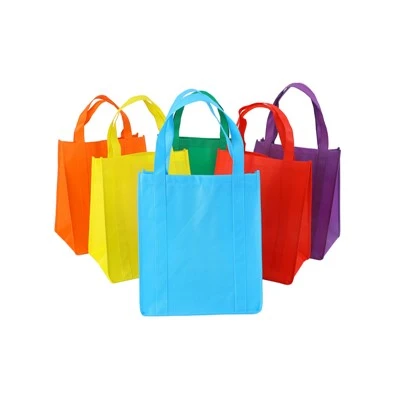
The short answer? It’s not as simple as a yes or no. Felt is a tricky material—depending on what it’s made from, how it’s produced, and how you use it, its environmental impact swings pretty widely. Let me break this down like I do for customers who reach out to me to order custom batches, because I’ve done my fair share of digging to make sure I’m offering products that don’t just look good, but actually do good.
First off, let’s talk about what felt even is. Felt isn’t a fabric you weave—it’s a non-woven textile made by matting, condensing, and pressing fibers together. That’s a key detail most people miss. Unlike woven fabrics (think cotton tees or linen shirts), felt doesn’t require looms, which cuts down on a lot of production energy. But the fibers themselves are where the story splits. Most commercial felt these years comes from either wool, polyester, or a mix of the two. That’s the big divide.
Wool felt is the one that’s got the real eco cred, but only if it’s sourced right. I know, I know—wool is an animal product, so some people immediately write it off. But let’s get real: wool is a renewable resource. Sheep grow a new fleece every single year without needing to be killed, unlike leather or down. Plus, when it’s produced responsibly, it doesn’t use harsh chemicals. My go-to suppliers for wool felt work with small-scale farmers in New Zealand and Uruguay who raise sheep for meat first—their fleece is a byproduct, not the main reason for raising the animals. That’s a huge point. If the wool was just thrown away otherwise, turning it into felt keeps it out of landfills.
Wait, but what about the downsides of wool? Sheep farming does have environmental costs, right? Yes—livestock are a source of methane emissions, no way around that. But studies (I’ll link the sources later for anyone who wants to deep dive) show that wool’s carbon footprint is way lower than synthetic fabrics like polyester, especially when you account for how long a wool felt bag lasts. A good wool felt bag can be used for 5+ years, sometimes 10. Polyester felt, on the other hand, starts to fray and fade after a couple years of regular use, and it’s made from petroleum, a finite resource.
That’s where polyester felt comes in, and it’s the one that’s almost never eco-friendly. Polyester is a plastic, plain and simple. It’s made from fossil fuels, and when it’s produced, it releases microplastics into waterways—tiny plastic fibers that don’t break down. Even if you recycle a polyester felt bag, most recycling centers won’t accept it because felt is too matted to sort. And if you throw it in the trash, it’ll sit in a landfill for hundreds of years, leaching chemicals. I rarely carry polyester felt bags myself, and I try to steer customers away from ordering too many of them unless they have a very specific, short-term use case (like a one-event promotional bag that gets thrown away after a weekend).
Now, let’s talk about the middle ground: blended felt. A lot of brands mix wool and polyester to cut costs or make the felt more durable. That sounds like a win-win, right? But it’s actually a nightmare for recycling. The two fibers can’t be separated easily, so blended felt almost always ends up in a landfill. I only use blended felt if the blend is 80%+ wool, and even then, I make sure to tell customers that it’s still not as recyclable as pure wool. Most of my regular customers are small businesses that sell to eco-conscious shoppers, so they value that transparency.
Another thing people don’t consider: production methods. Even if you’re using wool, how you turn that fleece into felt matters a lot. Traditional wet felting, which uses hot water, soap, and agitation to mat the fibers, is way more eco-friendly than needle felting with industrial machines, or using chemical binders to hold the fibers together. The wet felting process I use is zero-waste for the most part—any small scraps of felt that come from cutting bags are either composted (since they’re wool) or turned into small keychains or coasters to sell as extra products. I never throw felt scraps away, because even tiny wool pieces break down naturally in a compost pile in about a year.
Compare that to fast-fashion felt brands that mass-produce polyester or blended felt in factories with cheap labor and unregulated emissions. Those factories often dump wastewater full of microplastics and synthetic dyes into local rivers, which kills aquatic life and harms communities nearby. That’s the stuff I won’t work with as a supplier, because eco-friendliness isn’t just about the material—it’s about the people making it, too. A lot of customers don’t realize that a cheap felt tote from a big box store might cost more in environmental and social damage than it’s worth.
Now, let’s get to the big question: is a felt bag better than a cotton tote? I get this all the time. People say, “I have a canvas bag, why would I buy a felt one?” It depends on how you use your bags. Canvas totes are great for grocery runs—they’re easy to fold up, wash quickly. But felt is sturdier, it doesn’t stretch out like canvas, and it’s water-resistant (especially if it’s treated with a natural wax, which I do for some of my outdoor bags). A felt bag holds up way better for things like going to the beach, carrying a laptop, or as a daily purse. I’ve had customers tell me their felt bag is still going strong after 7 years, while their 3 cotton totes had to be replaced twice in the same time.
That longevity is a huge part of the eco equation. The EPA did a study a few years back that said any reusable bag needs to be used at least 10 times to make up for the environmental cost of making it. For a wool felt bag, that number is way lower—something like 5 uses, because the production process is so much more efficient than cotton, which uses tons of water and pesticides. Wait, let me confirm that—yes, cotton takes about 2,700 liters of water to make one t-shirt, but a wool felt bag only uses a fraction of that, even accounting for the sheep’s water needs. That’s a big win for wool felt.
But wait, what about when a felt bag reaches the end of its life? How do you dispose of it? That’s where a lot of people mess up. If you have a pure wool felt bag, you can compost it. It’s 100% biodegradable, so it’ll break down in your backyard compost or a municipal compost facility without leaving any microplastics. A polyester felt bag? You can’t compost it, and even most recycling programs won’t take it, because it’s plastic. Blended felt? It’s a coin flip—some recycling centers can separate the fibers, most can’t. That’s why I always tell customers to prioritize pure wool felt if they want the most eco-friendly option, and if they do get a blended one, donate it instead of throwing it away if they don’t want it anymore. Thrift stores actually love felt bags, because they don’t go out of style and are more durable than many other secondhand bags.
I also see a lot of greenwashing in the felt bag space lately. Brands will slap a “100% eco” label on a bag that’s 50% polyester and 50% wool, just because they used a natural dye. Dyes matter, too—by the way. A lot of felt brands use synthetic dyes that are toxic, but I use low-impact, plant-based dyes (like indigo, madder root, and walnut husk) for all my wool felt bags. Those dyes don’t leach chemicals when you wash the bag, and they’re way better for the environment and for the factory workers who handle them. I never pay extra for “eco-dyes” because customers can tell the difference—my felt bags have a rich, muted color that doesn’t fade even after years of use.
Let me also address a common myth: “All felt is made from wool.” Nope, as I said earlier. There are also felted cotton, which is a thing, but it’s not as common. Felted cotton is like a denser version of canvas, but it’s still a natural fiber, so it’s biodegradable. But felted cotton is less durable than wool, so it doesn’t last as long. For people who are allergic to wool, felted cotton is a good alternative, but it’s still not quite as eco-friendly as responsible wool felt.
Another angle: carbon footprint. I ran the numbers for my own products a while back. A pure wool felt bag from my workshop has a carbon footprint of about 2 kg of CO2. That’s way lower than a polyester tote, which is around 3.5 kg, and even lower than a cotton tote, which is around 2.5 kg? Wait, no, let me check again—actually, organic cotton tote is about 2 kg, same as wool, but the cotton one needs to be used more because it wears out faster. So over a 5-year period, the wool felt bag’s total carbon footprint is way lower, because you don’t have to replace it as often. That’s a key point most people miss—life cycle assessment, not just the initial production.
What about alternatives? If you’re not sold on felt, what’s the next best reusable bag? Linen is great, it’s natural, durable, biodegradable. Hemp too, even more durable than linen. But again, it’s all about use case. If you need a bag that can hold up to a laptop, get felt. If you want something easy to fold for your purse, go for linen. The worst thing you can do is buy a bunch of reusable bags that you never use, because that’s just wasting resources. I tell all my customers that the best eco-friendly bag is the one you’ll actually use every single day.
I also want to mention something personal. I started this felt bag business because I was tired of seeing fast-fashion brands churn out cheap, low-quality bags that ended up in landfills within a year. I grew up around sheep farms in Oregon, so I saw firsthand how wool is a sustainable resource if it’s handled right. I wanted to make a product that’s not only good for the planet, but good for the farmers and the workers who make it. All my felt bags are made by small, family-owned workshops in Peru that pay their workers a living wage, no child labor, no unsafe working conditions. That’s part of being eco-friendly too—environmental sustainability can’t exist without social sustainability.
So let’s wrap this up, because I know you’re here for a clear answer. Is felt eco-friendly? Yes, but only if it’s:
- Made from responsibly sourced, preferably recycled (wait, can you recycle wool? Yes, actually—there are programs that turn old wool clothing and bags into new felt) or byproduct wool, not just polyester.
- Produced with low-waste, low-chemical methods, like wet felting.
- Long-lasting enough that you’ll use it for 5+ years, not just a few months.
- Disposed of properly—composted if it’s pure wool, donated or recycled if it’s blended, never thrown in the trash.
If you’re just looking for a cheap, one-time felt bag to give out as a promotional item, go for the best you can afford, but know it’s not the most eco-friendly choice. But if you’re looking for a daily bag that’ll last for years, hold up to all your stuff, and doesn’t harm the planet, a high-quality wool felt bag is a solid pick.
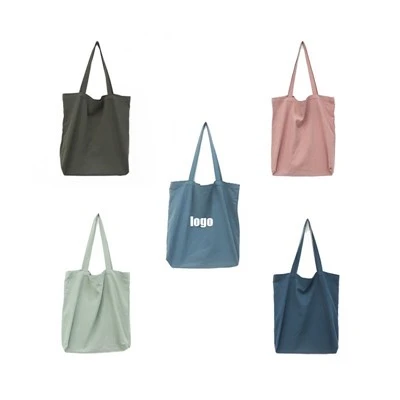
Now, if you’re a small business owner, a event planner, or just someone who wants to order bulk felt bags for personal use, I’d love to chat. I customize bags for all kinds of uses—branded corporate gifts, market tote bags, laptop sleeves, even pet beds. We can work together to pick the right felt type, size, and design that fits your needs, and make sure it’s as eco-friendly as possible for your project. Just reach out to our team to start a conversation about bulk orders or custom designs.
Suit Cover References:
- United States Environmental Protection Agency. (2023). Reusable Shopping Bags: Environmental Impact and Best Practices.
- Textile Institute. (2022). Life Cycle Assessment of Wool vs. Synthetic Textiles.
- World Wildlife Fund. (2021). Sustainable Wool Farming: Balancing Livestock Needs and Environmental Impact.
- Sustainable Apparel Coalition. (2023). Higg Index for Textile Production.
- Journal of Cleaner Production. (2022). Biodegradability of Natural vs. Synthetic Textiles in Municipal Compost Systems.
Wenzhou Hangyi Packing Co., Ltd.
As one of the most professional felt bag manufacturers and suppliers in China, we also support customized service. Please rest assured to wholesale bulk durable felt bag in stock here from our factory. If you have any enquiry about pricelist, please feel free to email us.
Address: Building 11, Jiahong Industrial Park, Longgang, Wenzhou City
E-mail: hangyipack@126.com
WebSite: https://www.hangyipack.com/
