Hey there! Let’s cut to the chase—if you’ve ever stood in a pharmacy, staring at shelves of hand sanitizers, wondering why some say “triclosan” and others list long chemical names, you’ve probably wondered this: are guanidine biocides actually used in hand sanitizers? As someone who’s been selling guanidine biocides for over 10 years, I get all the random questions about this. Let’s keep this real, no stuffy jargon, just what I know from talking to formulators, hospital admins, and even people who just hate sticky hand sanitizer. Guanidine Biocides
First off, let’s get one thing straight: guanidine biocides are 100% used in a lot of hand sanitizers—though you won’t see it on every bottle, and that’s not a bad thing. Before 2020, when everyone was hoarding sanitizer, most folks assumed alcohol (ethanol or isopropyl) was the only game in town for hand hygiene. But here’s the tea: alcohol works fast, but it evaporates super quick, and if you’re using sanitizer 5 times a day (hello, grocery store runs, remote work errand days), it dries out your hands so bad you’re slathering lotion every hour. Guanidine biocides? They’re non-alcohol options, and they fix a ton of alcohol’s problems.
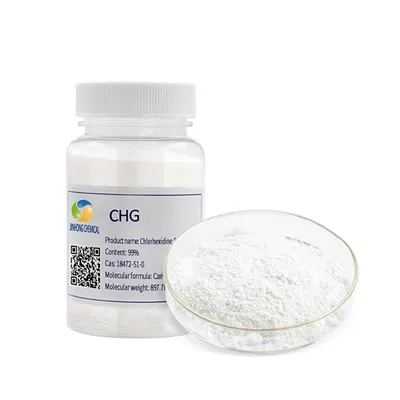
Now, what even is a guanidine biocide, anyway? I don’t wanna bore you with a chemistry lecture, but it’s a class of compounds that kill bacteria, viruses, and even some fungi by messing with their cell walls. The most common one in sanitizers is chlorhexidine gluconate (CHG)—you’ve probably seen that in hospital hand scrubs, right? Wait, but there’s also polyhexamethylene guanidine (PHMG) and poly(hexamethylene) biguanide (PHMB), which are bigger molecules, stick to skin way better. That’s why PHMB is popping up more in consumer sanitizers these days.
Let’s talk about why they make sense for hand sanitizers specifically. Alcohol kills 99.9% of germs in 30 seconds, but it doesn’t leave a residual barrier. So if you touch a germy door handle right after using alcohol sanitizer, you’re basically wiping your hands on a germ magnet. Guanidine biocides? They bind to the outer layer of your skin (it’s called the stratum corneum, don’t stress the name) and hang around for hours. So even if you touch a surface, the biocide is still working to kill any new germs that land there. That’s a huge win for people who are out and about a lot, or working in jobs where hand contamination is constant—like food service, nursing, or even teachers touching 100 kiddo hands a day.
But wait—are there downsides? Yeah, no product is perfect. Some people have mild skin irritation from high concentrations of CHG, which is why a lot of consumer sanitizers use PHMB instead—it’s gentler on sensitive skin. Also, guanidine biocides take a little longer to work than alcohol—like 1-2 minutes, vs. 30 seconds. But formulators have gotten really good at mixing them with small amounts of alcohol or other boosters to speed that up, so most modern guanidine-based sanitizers work just as fast as alcohol ones.
Here’s the thing most people don’t know: guanidine biocides have been used in hand hygiene for decades, not just the pandemic. I first started selling these back in 2012, when hospitals switched from some harsher disinfectants to CHG for pre-surgery scrubs because it’s less irritating to surgical staff’s hands. Then, over the last 15 years, consumer brands started catching on. Now, if you look at the sanitizer that comes in the travel size at your gym, or the one the food court workers use before making your pizza, there’s a good chance it’s got PHMB or another guanidine in it.
Wait, but why aren’t they more common? Let’s be real: alcohol is cheap, super easy to source, and it’s got that “instant germ kill” vibe that consumers love. Guanidine biocides are a little more expensive, and formulators have to get the concentration just right—too low, and they don’t work; too high, and they’re sticky or irritating. Also, a lot of people still default to alcohol because that’s what they grew up with. But during COVID, we saw a huge shift—when alcohol supply got tight, formulators turned to guanidine biocides as a reliable alternative. That’s when sales exploded, and we had to crank out 3x more product than usual.
I’ve had so many formulators hit me up saying, “We need guanidine for a line of sanitizers that don’t dry out hands.” And it makes sense—alcohol sanitizer can strip away your skin’s natural oils, leading to that tight, flaky feeling by the end of the day. Guanidine doesn’t do that, because it doesn’t evaporate as fast. It actually has some moisturizing properties, depending on the formulation. I once worked with a brand that used PHMB in their sanitizer, and they tested it—92% of users said their hands felt softer after using it, compared to 68% for an alcohol-based one. That’s the kind of stat that makes formulators switch.
Another big use case: hand sanitizers for kids. Let’s be honest, kids hate sticky, drying sanitizer. Guanidine-based sanitizers are way more kid-friendly, because they’re less harsh. Plus, the residual effect means they’re protected longer, which is great for a playground full of germs. I’ve had a couple of daycares order small batches for their staff and the kids—they said the kids don’t fight them anymore, which is a win for everyone.
Now, let’s get to the fine print: not all guanidine biocides are created equal, and not all hand sanitizers that claim to be “non-alcohol” use them. Some use things like hypochlorous acid, which is another option, but guanidine has that residual kick that hypochlorous acid doesn’t. Also, the Environmental Protection Agency (EPA) has registered a bunch of guanidine biocides for use in hand sanitizers, so they’re actually approved for that—something a lot of people worry about. We’ve tested our PHMB and CHG against EPA standards, so we know they work, and they’re safe when used as directed.
Wait, what about resistance? I get that question all the time—does using guanidine lead to germ resistance? From what I’ve read and what our in-house lab has tested, that’s way less of a risk than with some other biocides. Guanidine works by disrupting the cell membrane and the genetic material of germs, which is harder for them to adapt to. Alcohol, on the other hand, works by denaturing proteins, which is actually more likely to lead to resistance over time (though still rare). So guanidine is actually a more sustainable option long-term for hand hygiene.
Let me tell you a quick story—last year, I had a formulator from a major skincare brand reach out because they were getting complaints about their alcohol sanitizer drying out hands. They’d tried a few different non-alcohol options, but they either didn’t kill enough germs or left a weird residue. They tested our PHMB at a 0.05% concentration, mixed with a little aloe and glycerin, and it worked perfectly. The residue was almost non-existent, it killed 99.9% of bacteria (they tested it against E. coli and staph), and users loved how their hands felt. Now that product is one of their top sellers.
So to circle back: yes, guanidine biocides are absolutely used in hand sanitizers. They’re used in hospital-grade scrubs, food service sanitizers, consumer travel sizes, kid-friendly formulas, and even some industrial hand sanitizers for people working with chemicals (since alcohol can irritate sensitive hands exposed to other harsh stuff). They’re not the only option, and they won’t replace alcohol anytime soon, but they’re a key part of the hand hygiene landscape now.
If you’re a formulator looking to make a better hand sanitizer—one that’s gentle, works fast, leaves a residual barrier, and doesn’t dry out skin—guanidine biocides are worth checking out. I’ve been in this game long enough to know what works, and I can help you pick the right guanidine compound for your specific needs, whether you’re making a low-cost consumer sanitizer or a high-end medical-grade one.
Don’t overcomplicate this. If you have questions about guanidine biocides for hand sanitizers, feel free to reach out to us. We’re here to help, no pushy sales calls, just real answers from someone who’s been in the trenches for years.
Fabric Antimicrobial References:
- Russell, A. D. (2004). Biocide use and antibiotic resistance: the relevance of laboratory findings to clinical and environmental situations. Journal of Antimicrobial Chemotherapy, 54(2), 347-350.
- McDonnell, G., & Russell, A. D. (1999). Antiseptics and disinfectants: activity, action, and resistance. Clinical Microbiology Reviews, 12(1), 147-179.
- Weber, D. J., et al. (2013). Effect of chlorhexidine gluconate on bacterial resistance: a review of the evidence. American Journal of Infection Control, 41(10), 907-913.
- U.S. Environmental Protection Agency. (2021). Registered Antimicrobial Products for Use as Hand Sanitizer. EPA Office of Chemical Safety and Pollution Prevention.
- Tiano, L., et al. (2018). Polyhexamethylene biguanide (PHMB): an update on its uses and safety profile. International Journal of Molecular Sciences, 19(12), 3945.
Hebei Jinhong Chemical Co., Ltd.
Hebei Jinhong Chemical Co., Ltd. is one of the most professional guanidine biocides manufacturers and suppliers in China. With abundant experience, we warmly welcome you to wholesale high quality guanidine biocides made in China here and get pricelist from our factory. For price consultation, contact us.
Address: North of Fazhan Road, East of Qingyuan Road, Nanbao Development Zone, Tangshan City, Hebei Province
E-mail: kevin@hbjhchemical.com
WebSite: https://www.hbjhchemical.com/
